A disciplined framework for evaluating Arbor Coconut Grove through school logistics, tree-canopy living, residence-level comfort, and condominium due diligence.
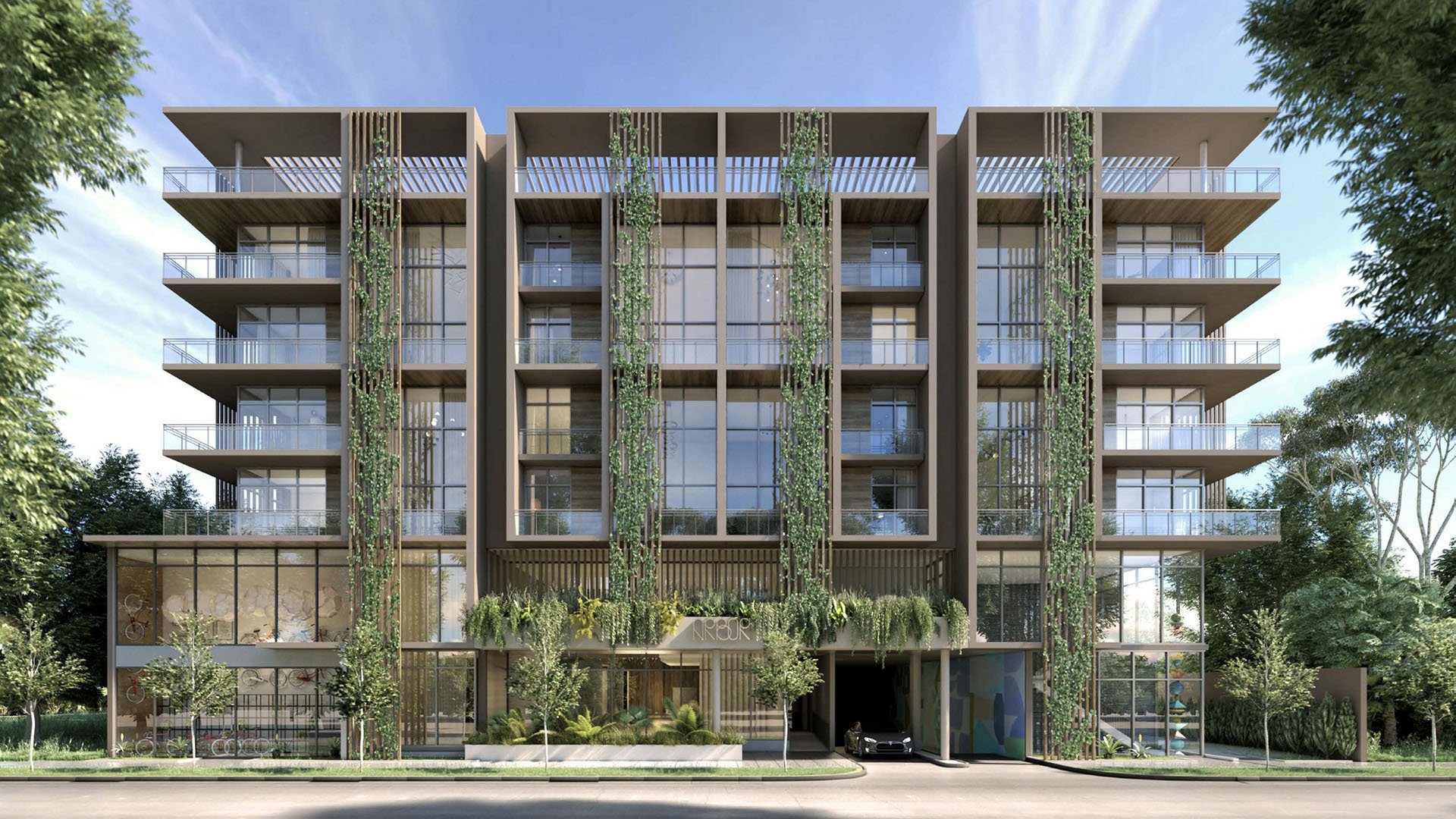
For a household considering Arbor Coconut Grove, the emotional appeal is clear: a Coconut Grove address, a residential atmosphere, and the prospect of daily life shaped by mature greenery. Yet the strongest purchase decision in 2026 will not rest on atmosphere alone. It will connect lifestyle priorities with residence-specific observations, school logistics, legal review, and a realistic ownership budget.
This buyer’s guide considers Arbor Coconut Grove as both a home and a long-term obligation. That distinction matters. A compelling arrival sequence or leafy outlook may shape the first impression, but lasting satisfaction depends on what happens after closing: how the morning route functions, how the residence receives light, which rules govern its use, and how recurring costs align with the household’s plans.
Private-school proximity should never be reduced to a pin on a map. Families should test the full journey from the building to every school under consideration at the actual departure and return hours. The meaningful measure is not distance alone, but the route’s repeatability when drop-off queues, weather, extracurricular schedules, and multiple children enter the equation.
Admissions must remain separate from real-estate analysis. A nearby school does not imply availability, acceptance, or a particular enrollment timeline. Buyers should independently confirm admissions requirements and calendars before making school access a decisive reason to purchase.
The same discipline extends beyond the classroom. Consider routes to tutoring, sports, medical appointments, and weekend activities. A residence that supports the full weekly pattern may offer more practical value than one chosen around a single destination. If a caregiver or driver will manage part of the schedule, test arrival, waiting, handoff, and pickup routines as well.
Tree-canopy living is not uniform. Its value can shift with orientation, floor position, window placement, terrace exposure, season, and the immediate streetscape. Buyers should therefore evaluate the specific residence at more than one time of day rather than rely on a general impression of the neighborhood.
Observe privacy from principal rooms, the balance between shade and natural light, and the relationship between vegetation and outward views. On terraces, consider wind, rain exposure, drainage, and how furnishings would function in ordinary weather. Inside, assess whether the desired sense of enclosure remains comfortable once window treatments, art, and everyday furniture are introduced.
Landscape should also be considered operationally. Determine which planted areas are common elements, which may be maintained by an owner, and which approvals govern alterations. Confirm responsibilities in the governing documents rather than assume that visible greenery belongs to, or is controlled by, a particular residence.
A serious condominium review should coordinate legal, financial, insurance, inspection, and title work. Buyers and their advisers should examine the declaration, bylaws, rules, current budget, reserve information, available meeting records, insurance materials, pending assessments, litigation disclosures, and restrictions that could affect occupancy or future resale. The objective is not merely to collect documents, but to understand how the building operates and where its financial and practical obligations reside.
For any new-construction or recently completed residence, contract language warrants particular attention. Review deposit terms, closing conditions, completion provisions, warranty language, assigned parking or storage, included finishes, and the treatment of changes. Marketing materials and the executed agreement do not serve the same legal purpose.
Build a total carrying-cost model that extends beyond the purchase price. Account for association charges, insurance, taxes, financing where applicable, maintenance, staffing, furnishing, and a contingency for future building- or residence-level work. Verify every current figure during diligence, as costs and documents can change.
Comparison is most useful when it sharpens priorities. Buyers can place Arbor alongside Four Seasons Residences Coconut Grove, The Well Coconut Grove, and Opus Coconut Grove, then assess each through the same worksheet. Compare the actual residence, governing framework, projected carrying costs, contract position, and household routine rather than rely on broad project categories.
Keep the lifestyle brief concise. Rank perhaps five nonnegotiables, such as school-route practicality, privacy, outdoor usability, flexible interior space, and predictable ownership obligations. Then score each residence using verified documents and direct observation. This approach prevents an attractive but secondary feature from displacing the factors that will shape everyday satisfaction.
Resale discipline also begins at acquisition. Consider whether the residence’s layout, light, privacy, parking arrangements, and use restrictions would be readily understood by another sophisticated buyer. This is not a forecast of value. It is a test of whether the purchase rationale is coherent, transferable, and supported by facts.
The right decision combines emotional confidence with documentary clarity. Visit repeatedly, drive the relevant routes, inspect the exact residence, and require advisers to explain unresolved language or costs. A buyer should be able to articulate the case for ownership without relying on vague promises: the home supports the household’s schedule, the setting performs as observed, and the obligations are understood.
For Arbor Coconut Grove, tree-canopy appeal and school convenience can be meaningful parts of the brief. They become persuasive only when tested against the residence itself and the complete ownership structure. In 2026, discretion is not hesitation. It is the willingness to verify what daily life will require before committing capital.
How should buyers evaluate school proximity? Drive each likely route at realistic school-day hours, including pickup, activities, and backup plans.
Does proximity to a private school affect admission? No assumption should be made. Confirm admissions requirements and timing directly and independently.
What should buyers inspect about the tree canopy? Review shade, privacy, light, views, terrace conditions, and maintenance responsibility for the exact residence.
Why visit at different times of day? Light, traffic, privacy, and outdoor comfort can change materially between morning, afternoon, and evening.
Which ownership documents deserve review? With qualified advisers, review governing documents, budgets, reserve information, insurance materials, assessments, meeting records, and disclosed disputes.
How should carrying costs be modeled? Include association charges, taxes, insurance, financing, maintenance, furnishing, staffing, and a prudent contingency.
What should be checked in the purchase contract? Examine deposits, closing conditions, completion terms, warranties, included items, assignments, and change provisions.
Should buyers compare other Coconut Grove projects? Yes. Apply one consistent worksheet to the actual residences, documents, costs, restrictions, and daily routines.
How can a buyer remain objective during a compelling tour? Use written nonnegotiables, revisit the residence, and separate observed conditions from unverified expectations.
What defines a disciplined final decision? The residence should fit the household’s routine, with its legal, financial, physical, and insurance obligations fully understood.
To compare the best-fit options with clarity, connect with MILLION.
If branded residences are on your mind — as a home or as an allocation — we would be glad to share what we are seeing, privately.
Begin a quiet conversation