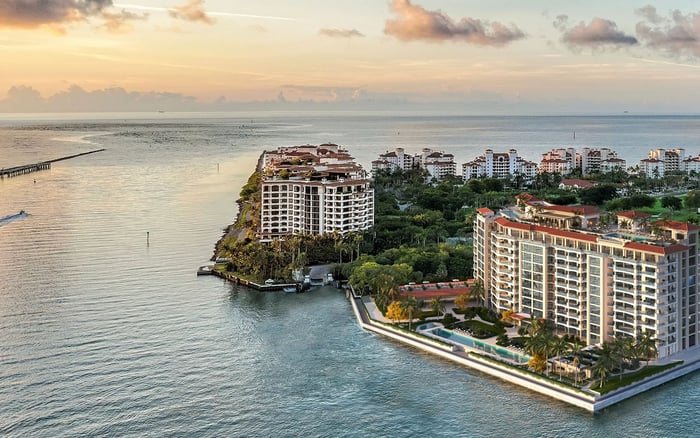
A disciplined framework for evaluating Apogee South Beach association finances, reserve planning, physical obligations, insurance exposure, and board governance before a 2026 purchase.
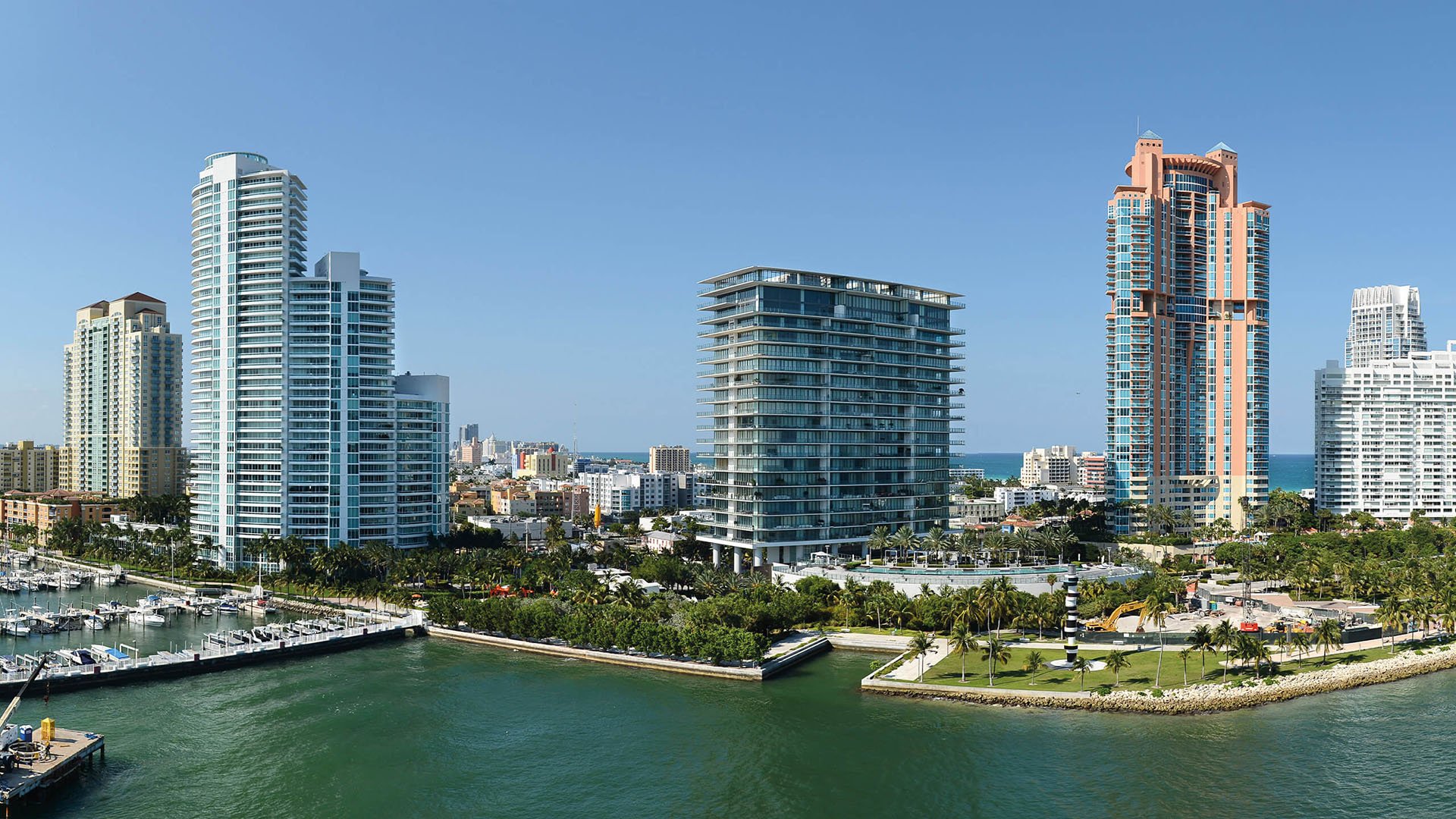
At Apogee South Beach, due diligence should reflect the architecture and service model a buyer is acquiring. This boutique, ultra-luxury condominium occupies a coveted South of Fifth setting near the southern tip of Miami Beach, close to the ocean and Government Cut. Its relatively small ownership base, expansive residences, flow-through layouts, broad terraces, private elevator access, extensive glazing, and high-finish amenity spaces create a distinctive ownership proposition.
They also establish an elevated operating-cost baseline. For a 2026 buyer, the central question is not whether the association fee appears high or low in isolation. It is whether the adopted budget, reserves, insurance, contracts, and governance practices credibly address the building’s physical complexity and luxury service expectations.
Apogee has fewer residences than many large waterfront condominium complexes. That privacy is part of its appeal, but it also means operating expenses and capital projects are distributed across a comparatively small ownership base. A major repair, cost increase, or budget shortfall can therefore be more consequential on a per-unit basis.
Buyers should confirm the unit’s percentage ownership and understand how common expenses and special assessments are allocated. Large interior floor plans may correspond to a greater share when allocation follows percentage ownership. The declaration and current assessment schedule should establish the actual obligation.
For context, buyers considering South of Fifth often evaluate more than one ownership model, including Continuum on South Beach. The useful comparison is not simply fee against fee, but the relationship among density, services, physical systems, reserves, insurance, and the buyer’s allocated share.
Start with the current adopted budget, then compare it with recent financial statements and actual results. Review staffing, management, utilities, maintenance, security, insurance, professional fees, elevator service, amenity operations, and recurring repair categories. Variances deserve explanation, particularly when actual expenses repeatedly exceed budgeted amounts.
Examine owner delinquencies and cash flow as well. A polished lobby does not reveal whether collections are timely or operating cash has been used to absorb unplanned expenses. Identify unusual transfers, recurring deficits, loans, or reliance on special assessments, then ask how the board intends to restore financial balance.
This is the essential resale discipline: treat the budget as a statement of assumptions, not proof that future costs are fully covered.
Reserve adequacy cannot be inferred from the monthly assessment alone. Compare reserve balances and annual contributions with identified projects, estimated costs, and expected timing. At Apogee, the review should be calibrated to terraces, balcony waterproofing, railings, coatings, concrete, glass façades, sealants, glazing, elevators, private foyers, amenity areas, and the exposure associated with a coastal location.
Request the latest reserve study and engineering materials, together with updates, proposals, contracts, invoices, and project schedules. Determine which components are included, which assumptions have changed, and whether inflation, insurance requirements, access logistics, or expanding scopes could affect projected costs. Ask whether projects are funded, deferred, phased, or still under board consideration.
The same analytical standard applies when comparing established luxury properties such as Setai Residences Miami Beach. Architectural distinction and service quality matter, but neither substitutes for a building-specific review of liabilities and capital planning.
Obtain current insurance information, including coverage summaries, deductibles, exclusions, pending claims, and the association’s explanation of potential owner exposure. An insurance adviser should assess how association coverage interacts with the buyer’s unit policy and personal risk tolerance.
Review structural and façade inspection materials, engineering recommendations, repair status, and correspondence concerning unresolved conditions. Because legal requirements may change, a Florida condominium attorney should verify the structural-inspection and reserve rules in force when the transaction occurs rather than rely on general summaries.
Governance records provide essential context. Read recent board minutes, owner notices, meeting packages, budgets, election materials, contracts, and disclosures for discussions of assessments, claims, disputes, repairs, bids, funding choices, and deferred decisions. Note whether financial and engineering issues are consistently documented and whether decisions are followed by clear implementation.
A buyer comparing The Ritz-Carlton Residences® Miami Beach should repeat this process independently. Even within the same area and price tier, each association has its own cost structure, governing documents, contracts, physical systems, and decision history.
Before the review period expires, assemble the current budget, recent financial statements, reserve balances, delinquency information, engineering records, insurance documents, claims information, litigation disclosures, contracts, board minutes, owner notices, planned-project schedules, and assessment history. Reconcile the documents rather than reading each in isolation.
A Florida condominium attorney can interpret governing documents and association disclosures. An accountant can test financial trends and funding assumptions. An insurance adviser can evaluate coverage and deductibles, while a qualified building professional can assess engineering materials and visible conditions. Together, these advisers can distinguish ordinary luxury ownership costs from obligations that require negotiation, additional liquidity, or a different risk decision.
Is Apogee South Beach a low-density condominium? Yes. It has relatively few residences compared with larger waterfront condominium complexes.
Why does boutique scale matter financially? Major operating costs and capital projects are shared across a smaller ownership base, potentially increasing each owner’s exposure.
Can the monthly fee show whether reserves are adequate? No. Reserve balances must be compared with identified projects, estimated costs, timing, and each residence’s allocated share.
Which physical components deserve particular attention? Review terraces, waterproofing, railings, coatings, concrete, glazing, sealants, elevators, private foyers, and amenity areas.
What financial records should a buyer request? Obtain the adopted budget, recent financial statements, reserve balances, delinquency information, assessment history, and relevant contracts.
Which governance records are most useful? Review recent board minutes, owner notices, meeting materials, project approvals, bids, funding decisions, and election records.
How should insurance be evaluated? Examine coverage, deductibles, exclusions, claims, and the relationship between association insurance and the buyer’s unit policy.
Should a buyer review engineering reports? Yes. Review current inspections, recommendations, repair status, proposals, project schedules, and evidence of completed work.
Who should advise a 2026 purchaser? A Florida condominium attorney, accountant, insurance adviser, and qualified building professional can provide complementary analysis.
Should Florida condominium requirements be assumed from general guidance? No. Applicable structural-inspection and reserve requirements should be verified against the law and guidance in effect at purchase.
For a confidential assessment and a building-by-building shortlist, connect with MILLION.
If branded residences are on your mind — as a home or as an allocation — we would be glad to share what we are seeing, privately.
Begin a quiet conversation