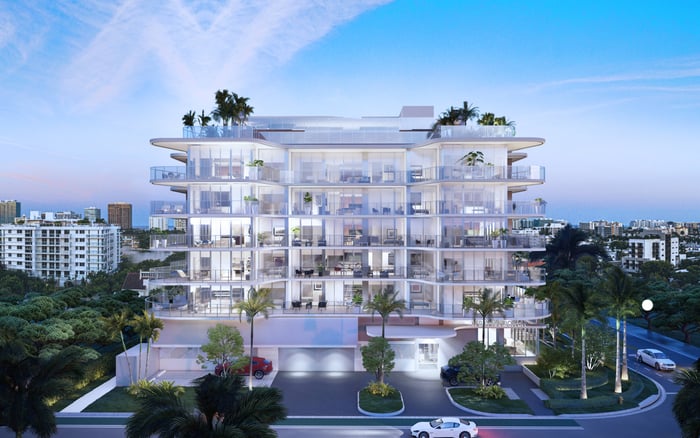
A disciplined 2026 framework for evaluating Alana Bay Harbor Islands through family routines, condominium diligence, comparative value, and long-term exit planning.

For a family considering Alana Bay Harbor Islands, the central question is not whether the setting feels desirable. It is whether the residence, building structure, recurring obligations, and eventual resale story work together under realistic conditions.
That distinction matters in 2026. A polished presentation can create emotional appeal, but disciplined ownership begins with less visible details: how the rooms support daily routines, how privacy shifts when guests arrive, what the association permits, and how total carrying costs behave after closing. Proximity to Bal Harbour may sharpen the lifestyle proposition, but location should reinforce an already coherent purchase-not compensate for unresolved diligence.
This edition of MILLION Buyer's Guides approaches the decision as both personal and financial. Family life defines the brief. Ownership discipline determines whether the property can fulfill it without creating avoidable friction.
Begin with a written account of an ordinary week. Note school and work departures, deliveries, homework, exercise, visiting relatives, household support, and weekend entertaining. Then test the floor plan against those movements. Bedroom count alone cannot show whether circulation is intuitive, storage is sufficient, or shared spaces can accommodate several activities at once.
Privacy warrants particular attention. Consider the separation between primary and secondary bedrooms, sightlines from living areas, acoustic exposure, and whether a flexible room can serve different purposes over time. A nursery may become a study; a media room may need to accommodate guests. The strongest plan is not necessarily the largest. It is the one that demands the fewest daily compromises.
Apply the same practical test to outdoor space. A terrace may add light and openness, but its value to a family depends on usability, exposure, maintenance, supervision, and its relationship to the interior. Waterfront appeal is most durable when it enhances daily life rather than functioning chiefly as scenery.
A serious review separates purchase price from the full cost of ownership. Build a multiyear model that includes association charges, insurance, taxes, utilities, interior upkeep, financing where applicable, and a prudent allowance for future work. Request current documentation, then have qualified advisers examine the building’s financial, legal, insurance, operational, and physical position.
Association budgets and reserves require context. The relevant question is not simply whether a line item appears high or low, but whether current funding aligns with anticipated obligations. Meeting minutes can reveal recurring operational concerns, planned work, disputes, or policy changes that may not be apparent during a showing. Buyers should also confirm which expenses belong to the association and which remain the owner’s responsibility.
Rules carry equal weight. Leasing, pets, renovations, deliveries, guests, vehicles, and use of common areas can affect both family convenience and future marketability. Obtain the controlling documents rather than relying on summaries. If a planned use matters, secure professional confirmation that it is permitted.
The Boutique character some buyers seek can offer a more intimate ownership experience, but scale is no substitute for analysis. Governance, staffing, service expectations, vendor arrangements, and cost concentration all belong in the same review.
Comparison is most useful when structured. A buyer reviewing Onda Bay Harbor and The Well Bay Harbor Islands alongside Alana should evaluate each against the same criteria: usable interior space, outdoor utility, privacy, parking, storage, operating costs, rules, condition, and timing.
The exercise should not become a contest between marketing identities. Each option may express a different version of luxury, and a family should score only the attributes it will use. Weighting essential, preferred, and optional features makes trade-offs visible and limits the influence of any single dramatic element.
Bal Harbour comparisons can also clarify how much value a buyer assigns to a particular micro-location. Reviewing Rivage Bal Harbour may help frame that preference, but the comparison must account for meaningful differences rather than rely on headline pricing. The goal is not to identify a universal winner. It is to determine what premium, if any, is justified by the buyer’s priorities.
Investment discipline remains relevant even when a home is intended for long-term family use. Before committing, identify the likely future buyer, the features that distinguish the residence, and the compromises that could narrow demand. Consider how the floor plan, condition, rules, carrying costs, and competitive supply might affect liquidity.
Run downside scenarios. Ask whether the household could comfortably carry the property if plans changed, a sale took longer than expected, or ownership expenses increased. This is not pessimism. It is a way to preserve choice.
An offer should reflect verified condition, documented obligations, and comparable alternatives. Discuss appropriate inspection, legal, financing, and condominium-review protections with qualified advisers. Emotional conviction may justify pursuing a particular home, but it should not erase boundaries established before negotiation.
Alana’s place on a family’s shortlist should emerge at the intersection of daily usefulness and durable ownership. A buyer who defines routines first, reviews documents carefully, models costs conservatively, and considers the exit before entering is better positioned to recognize genuine fit.
Luxury, in this context, is not merely proximity or presentation. It is the confidence that the residence supports family life while the ownership structure remains intelligible, manageable, and aligned with future choices.
What should families evaluate first at Alana Bay Harbor Islands? Start with how the floor plan serves daily routines, privacy, storage, guests, and changing household needs.
How should proximity to Bal Harbour influence the decision? Treat it as one component of value, then determine whether the residence and ownership obligations independently satisfy the brief.
Which condominium documents deserve close review? Examine governing documents, budgets, reserves, meeting minutes, insurance information, rules, and available records with qualified advisers.
Why model costs beyond the purchase price? Total ownership includes recurring charges and variable expenses that can materially affect comfort, flexibility, and holding power.
How can buyers assess a family-oriented floor plan? Walk through a normal weekday and weekend, testing circulation, acoustics, supervision, work areas, entertaining, and guest privacy.
Should outdoor space be valued by size alone? No. Consider usability, exposure, maintenance, access from living areas, and how often the household will realistically use it.
What rules can affect future flexibility? Leasing, pet, renovation, guest, delivery, vehicle, and common-area policies can shape both daily use and resale appeal.
How should buyers compare Alana with nearby projects? Apply the same criteria to each and separate essential features from preferences, ensuring branding does not obscure practical differences.
Does an owner-user need an exit strategy? Yes. Identifying likely future demand and potential resale friction helps preserve flexibility, even without a near-term plan to sell.
What is the clearest sign of ownership discipline? A buyer establishes financial and legal boundaries before negotiating, then adjusts them only in response to verified information.
If you'd like a private walkthrough and a curated shortlist, connect with MILLION.
If branded residences are on your mind — as a home or as an allocation — we would be glad to share what we are seeing, privately.
Begin a quiet conversation