A disciplined due-diligence framework for evaluating the service model, brand agreement, reserves, insurance, and resale durability of The Well Bay Harbor Islands.
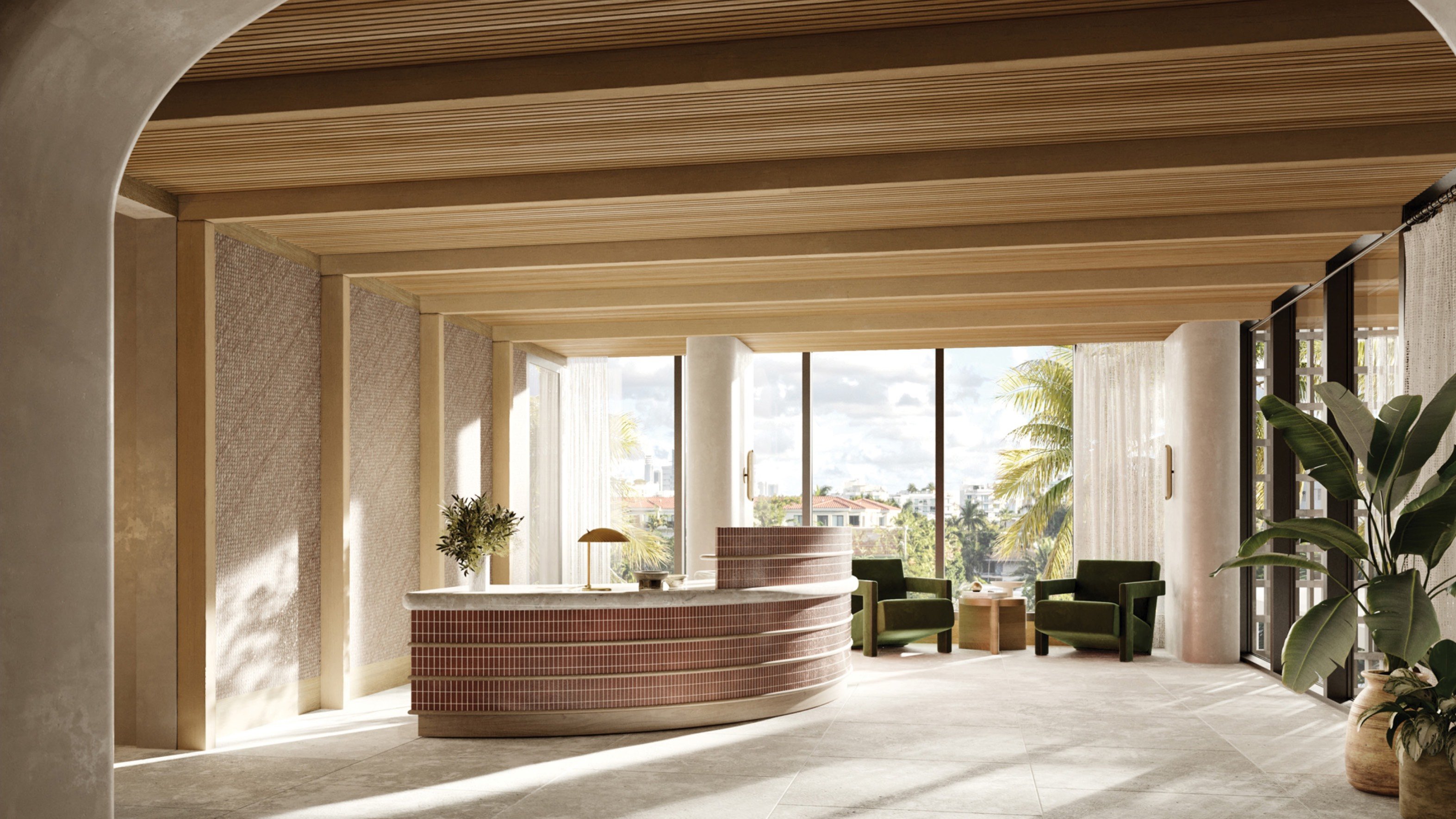
The Well Bay Harbor Islands is positioned as a wellness-branded residential development, with its amenity program and resident experience connected to THE WELL’s integrative-health identity. That distinction may be compelling, but a 2026 purchase decision should translate the concept into documents, recurring costs, contractual rights, and long-term marketability.
For Branded Residences, the essential lens is clear: determine precisely what ownership secures, what depends on an operator, and what can change after closing. The objective is not to discount the wellness proposition, but to establish whether the residence remains desirable and financially coherent under more than one operating scenario.
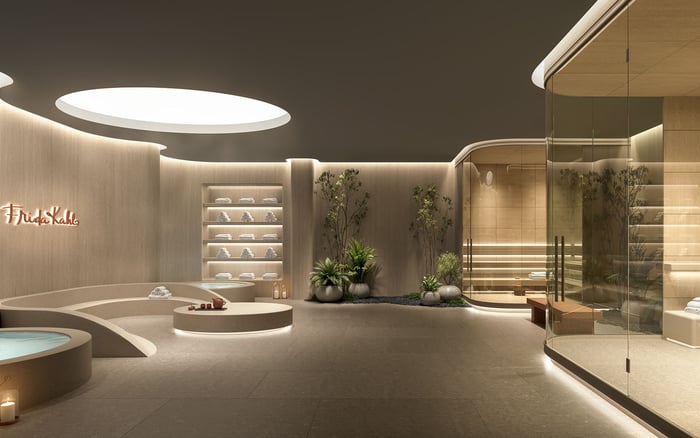
Begin by separating physical amenities conveyed for residents’ use from optional wellness services billed individually. A beautifully appointed wellness space and the programming delivered within it do not necessarily represent the same economic benefit. Request a written schedule identifying which services are included, which carry user fees, and which rely on third-party providers.
The service review should identify the specialized staffing, maintenance, consumables, and outside operators required for each wellness component. Buyers should also confirm whether programming is contractually guaranteed or subject to later decisions by the operator or condominium association. If a particular service is central to the purchase, its status should be explicit in the governing and transaction documents-not inferred from the broader concept.
The name is part of the proposition, so its legal foundation matters. Determine whether THE WELL’s identity and services are governed by a licensing agreement, management agreement, or another contractual structure. Counsel should review the agreement’s term, renewal mechanics, termination rights, performance obligations, and the consequences if the relationship ends.
A comparison with The Well Coconut Grove can help frame brand-level questions, but should not suggest that the two projects share identical contracts, services, or economics. Each residence must be evaluated through its own documents.
Request the proposed budget and isolate every expense attributable to the wellness-branded amenity package. Determine whether specialized labor falls within payroll, whether service providers operate under fixed or variable arrangements, and whether consumables or maintenance can produce costs beyond ordinary residential operations.
Reserve analysis requires the same precision. Conventional building systems are only part of the picture. The schedule should address the eventual repair and replacement of specialized wellness spaces and equipment, supported by assumptions that can be understood and tested. A polished amenity at delivery may still create a future capital obligation if its useful life, replacement scope, or funding path has not been adequately contemplated.
For Investment analysis, model both the stated budget and a higher-cost case. The question is not merely whether current charges are acceptable, but whether ownership remains attractive if staffing, maintenance, programming, or replacement expenses rise.
Obtain the insurance summary and examine how specialized amenity operations are treated. The review should identify exclusions, deductibles, liability exposures, and coverage conditions that may extend beyond ordinary residential use. Buyers should determine whether activities are covered under the association’s program, a third-party provider’s policy, or a combination of both.
The review should also clarify who verifies outside providers’ coverage and contractual indemnities. Insurance counsel or another qualified adviser can assess whether the allocation of risk aligns with the actual service model. The goal is a clear map of responsibility-not a general assurance that coverage exists.
The wellness identity may strengthen Resale appeal among buyers who prioritize healthy living. Still, an exit strategy should test whether that appeal remains durable if services change, fees rise, programming narrows, or the brand relationship ends.
Consider three cases: the concept operates as presented, the service package becomes more expensive, and the branded relationship is materially altered. In each case, ask whether the residence, physical amenities, governance, and ownership costs still form a persuasive luxury proposition.
Local comparison is most useful when it sharpens questions rather than encourages superficial equivalence. Reviewing Alana Bay Harbor Islands and Onda Bay Harbor may help a buyer assess how alternative residential propositions are presented. A wider benchmark such as The Perigon Miami Beach can also inform the vocabulary of a luxury search, although each project requires independent diligence.
Before purchase, obtain the declaration, proposed budget, reserve schedule, insurance summary, service contracts, brand agreement, rental restrictions, and assignment or resale provisions. Have the relevant advisers reconcile these materials so that promises, costs, and rights are considered together.
The strongest checklist concludes with a written ownership thesis: why the residence is attractive today, which benefits are protected, which remain discretionary, and what would preserve value if the operating model evolves.
What is the first service question to ask? Ask which physical amenities are included with ownership and which wellness services require separate payment.
Is wellness programming guaranteed? That depends on the project documents and operating arrangements, which should establish whether programming is protected or discretionary.
Why does the brand agreement matter? It can define how the name and services are provided, renewed, changed, or terminated.
Which operating costs deserve special attention? Focus on specialized staffing, maintenance, consumables, equipment, and third-party providers tied to the wellness program.
What should the reserve schedule cover? It should account for specialized wellness spaces and equipment as well as conventional building systems.
What is the central insurance issue? Determine whether specialized operations introduce exclusions, deductibles, or liability exposures beyond ordinary residential use.
Can wellness positioning help resale? It may strengthen appeal among buyers who prioritize healthy living, but that appeal should be tested against costs and service durability.
What should an exit model assume? Test scenarios involving higher fees, reduced services, altered programming, and the end of the brand relationship.
Which documents should a buyer request? Request the declaration, budget, reserves, insurance summary, service contracts, brand agreement, rental rules, and transfer provisions.
Who should review the package? Use qualified legal, insurance, and financial advisers to evaluate contractual rights, risk allocation, and recurring obligations.
When you're ready to tour or underwrite the options, connect with MILLION.
If branded residences are on your mind — as a home or as an allocation — we would be glad to share what we are seeing, privately.
Begin a quiet conversation