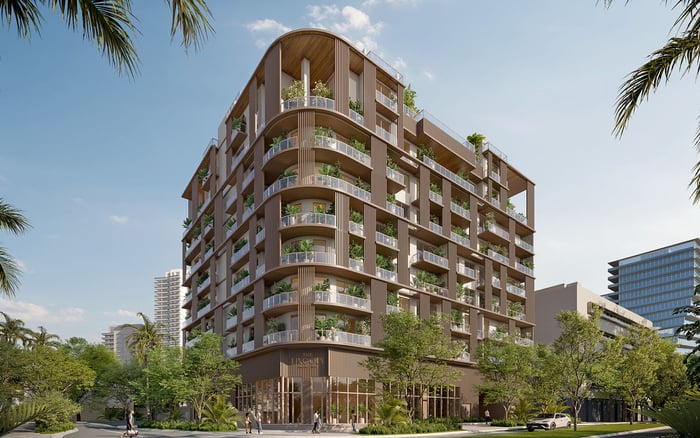
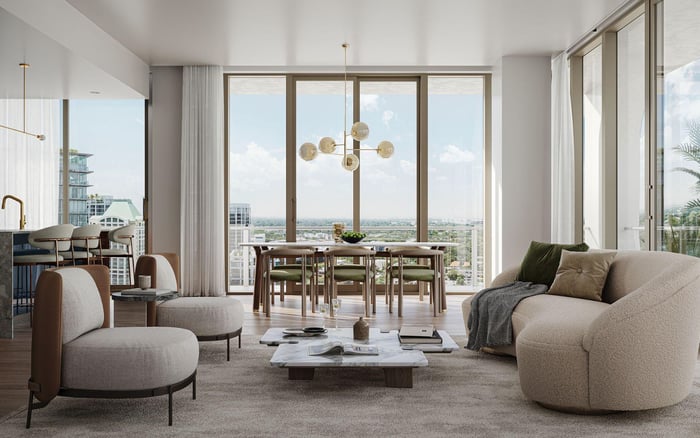
Frida Kahlo Wynwood Residences presents an ambitious planned wellness offering. For buyers, its practical value depends on capacity, reservation policies, guest access, and the scope and cost of concierge healthcare.
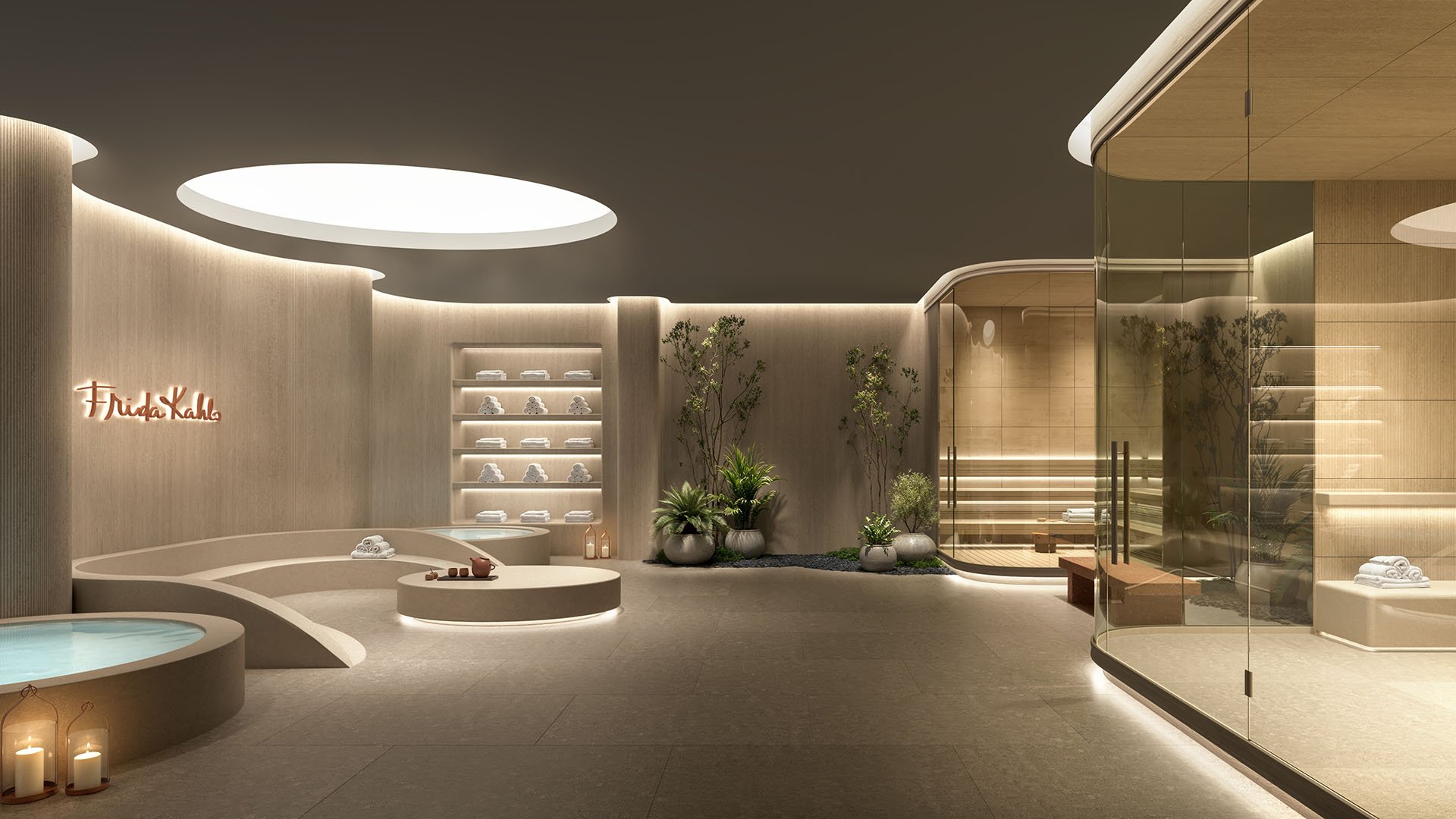
The most persuasive wellness amenity fits effortlessly into an owner's day. A morning workout, an unhurried thermal session, or a quiet hour beside the pool should feel like an extension of the residence-not an appointment that requires advance strategy. At Frida Kahlo Wynwood Residences, that distinction belongs at the center of buyer diligence.
The planned offering brings together fitness, thermal experiences, outdoor leisure, and concierge healthcare. Its appeal is clear. Its everyday usefulness, however, depends on less photogenic details: how many people can use each space, who receives priority, when guests may enter, and which services carry separate charges.
Simultaneous-user capacities, reservation procedures, resident-versus-guest policies, and operating hours are not clearly specified in the supplied amenity information. That does not establish that rules are absent or that crowding will occur. It identifies the questions buyers should resolve before treating the advertised program as a dependable part of ownership.
The planned facilities include a fitness studio with modern workout technology and a wellness center featuring a signature thermal circuit with a steam room and sauna. The offering also includes a cold plunge and treatment rooms. Outdoors, the program calls for a resort-style pool, shaded lounge areas, and an outdoor bar and social lounge.
The broader common-area concept includes custom art installations and a speakeasy-style lobby bar. Together, these elements suggest a lifestyle that combines private restoration with social occasions. Buyers should examine how quiet-use spaces and gathering areas would operate alongside one another, without assuming either must compromise the other.
Baker Health, a concierge primary-care and holistic-wellness service, is planned for the ground floor. Its proposed presence adds a healthcare dimension, but warrants evaluation separately from recreational amenities. Sauna access, a treatment appointment, and a medical consultation are distinct benefits with potentially different eligibility and payment terms.
A generous amenity footprint does not, by itself, establish comfortable capacity. Buyers should request usable areas, occupancy limits, equipment counts, and the assumptions behind anticipated peak demand. The question is not merely how many people may legally enter, but how many can comfortably use the facilities at once.
For the fitness studio, ask for the equipment schedule and layout. The balance of workout stations, open exercise space, and circulation matters more to a personal routine than a total square-footage figure. Ask whether organized sessions or private training would reduce general resident access.
For the thermal circuit, request separate capacities for each component and an explanation of how users would move between them. A steam room and sauna can have different practical limits. Clarify whether cleaning intervals, supervision requirements, or maintenance closures would affect availability.
The pool deck deserves its own assessment: water capacity, seating, shaded seating, and lounge turnover answer different questions. If The Well Bay Harbor Islands is also on a buyer's shortlist, the same capacity questions provide a useful basis for comparison without presuming equivalent facilities or operating policies.
A reservation system can protect tranquility, but its design matters. Request the advance booking window, session lengths, limits on recurring reservations, cancellation deadlines, and any penalties for missed appointments. Clarify whether owners may hold multiple future bookings and whether a waitlist automatically releases unused space.
Walk-in access deserves equal attention. Someone who prefers spontaneous exercise may value a different arrangement from an owner with a fixed daily schedule. Ask whether any appointments or amenity periods would carry paid priority, and whether complimentary access means unrestricted use or simply eligibility to reserve.
Operating hours are equally consequential. Confirm the proposed weekday and weekend schedules, cleaning closures, and any seasonal changes. A beautifully appointed facility can still be poorly matched to an owner's routine if its usable hours are narrow.
These are risks to evaluate, not documented bottlenecks at this development. Ask who would administer reservations, handle disputes, and have authority to revise the rules after occupancy.
Guest policies shape the resident experience. Buyers should request limits per residence, registration procedures, resident-accompaniment requirements, fees, and any peak-period restrictions. The policy should distinguish between inviting someone to the social lounge and granting access to fitness or thermal facilities.
Ask how visiting family, overnight guests, and private instructors would be treated. Clarify whether access rules attach to the residence, individual owner, or registered occupant. These distinctions matter when evaluating how a household would use the building.
For anyone also considering The Well Coconut Grove, compare written guest terms rather than assuming a wellness-oriented identity implies a particular privacy standard. The objective is not necessarily the strictest policy, but a clear balance between resident availability and the ability to host comfortably.
The advertised offering includes a complimentary Baker Health concierge membership for owners during their first year of occupancy, followed by discounted membership rates. The planned service also includes on-demand healthcare around the clock. Neither benefit should be read as confirmation that every consultation, treatment, or ancillary service is included.
Request the membership agreement and benefit schedule. Confirm who in the household qualifies, when the introductory period begins, what renewal pricing applies, and which services carry separate charges. Clarify how around-the-clock access would be delivered rather than assuming continuous on-site clinical staffing.
Buyers should also ask whether any facility or service costs would be included in condominium assessments. Distinguishing association-funded amenities from individual memberships and separately purchased care allows for a more realistic ownership budget. A convenient ground-floor location is valuable only to the extent that its actual service terms suit the household.
Depicted improvements, landscaping, and amenities may not exist. Every facility discussed here should therefore be understood as planned or advertised, not confirmed as completed or operating.
Before assigning a premium to the wellness offering, request the applicable purchase documents, amenity plans, proposed operating budget, and any available draft rules. Have counsel distinguish contractual commitments from promotional descriptions and identify provisions governing substitutions, access, fees, and future changes.
The decisive test is practical: can the proposed facilities accommodate your routine, your household, and your guests on terms you understand? Clear answers strengthen an evaluation. Unresolved details warrant continued diligence-not assumptions about either exceptional service or inevitable congestion.
For a discreet perspective on wellness-led ownership in South Florida, explore MILLION.
If branded residences are on your mind — as a home or as an allocation — we would be glad to share what we are seeing, privately.
Begin a quiet conversationThe planned offering includes a fitness studio, a thermal circuit with steam room and sauna, a cold plunge, treatment rooms, and a resort-style pool. Baker Health is also planned for the ground floor.
No operating status is established by the supplied amenity information. The facilities should be treated as planned or advertised, with delivery commitments checked in the applicable documents.
The supplied amenity information does not clearly specify capacities for the pool deck, thermal circuit, or fitness studio. Buyers should request occupancy limits, usable areas, and equipment counts.
Square footage alone does not establish how comfortably residents can use a space. Layout, equipment availability, seating, and operating arrangements also affect practical capacity.
Ask about reservation windows, session lengths, cancellation penalties, walk-in access, waitlists, and any paid priority. Clarify who administers bookings and can change the rules.
The supplied amenity information does not clearly explain resident-versus-guest access. Request guest limits, registration requirements, accompaniment rules, fees, and peak-period restrictions.
Owners are advertised as receiving a complimentary concierge membership during their first year of occupancy, followed by discounted membership rates. Household eligibility and covered services should be confirmed.
That should not be assumed from the advertised on-demand healthcare benefit. Buyers should clarify how access is delivered and which services are available at different hours.
The supplied information does not establish crowding or booking bottlenecks. These are prospective diligence questions, not documented operating problems.
Request applicable purchase documents, amenity plans, the proposed operating budget, available draft rules, and healthcare membership terms. Counsel can help distinguish contractual commitments from promotional descriptions.