A disciplined framework for evaluating Oceana Key Biscayne beyond the residence itself, from daily service and reserve funding to insurance exposure and resale planning.
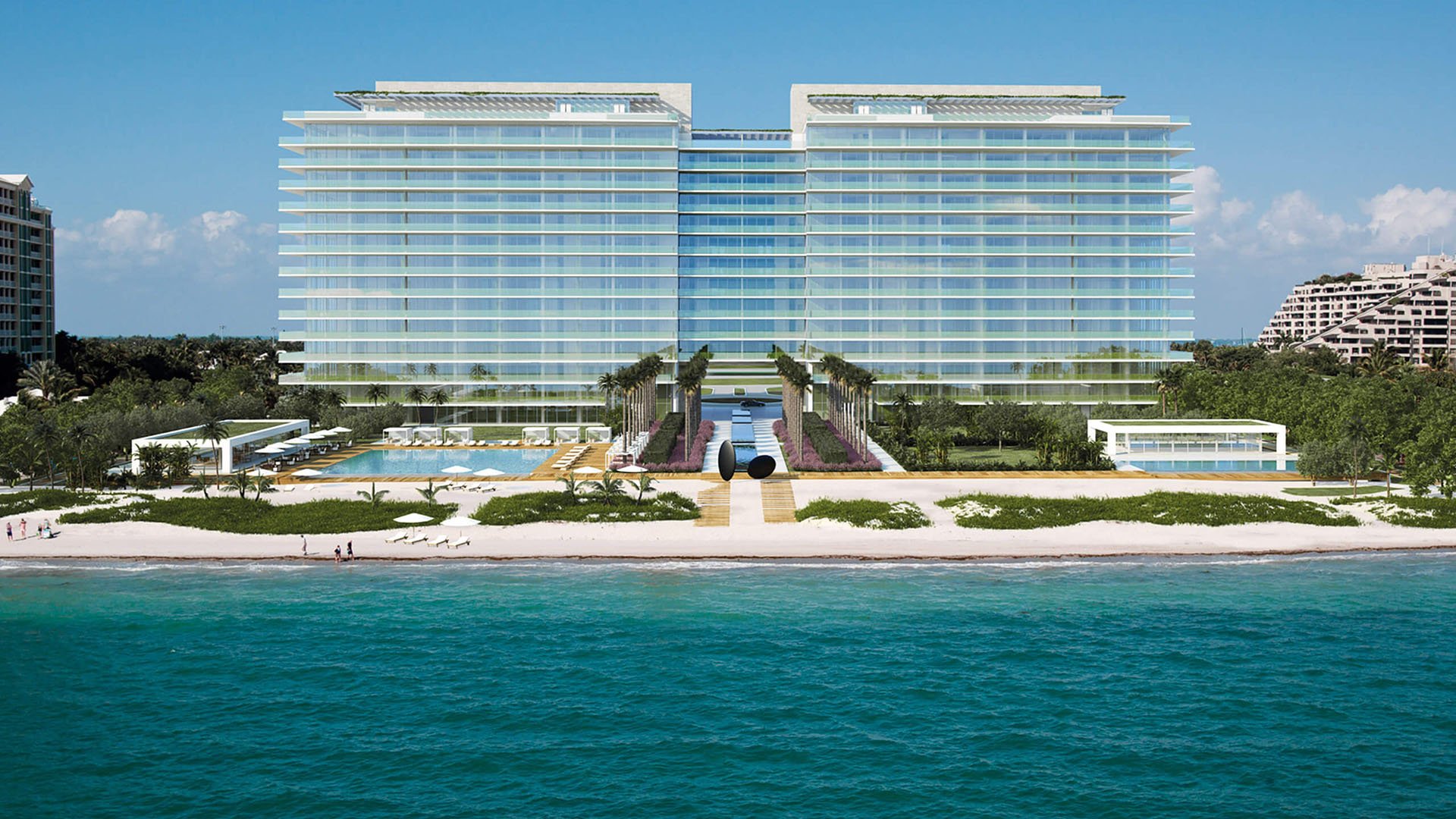
At Oceana Key Biscayne, the visible proposition is compelling: a luxury oceanfront condominium on Key Biscayne’s eastern shoreline, with multiple mid-rise residential structures set across spacious beachfront grounds. Direct beach access, extensive pool and recreational areas, landscaping, open space, and art create an environment conceived as a modern residential address rather than a transient resort.
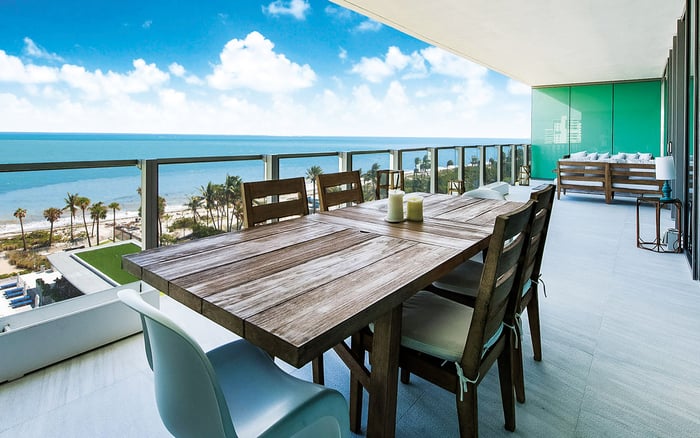
The private residences reinforce that identity with large terraces, floor-to-ceiling glazing, contemporary open plans, and abundant natural light. Yet a sophisticated acquisition decision in 2026 must extend beyond architecture and outlook. The essential questions are how the property operates, how future capital needs are funded, how risk is insured, and how the residence may eventually return to market.
This buyer’s guide provides a framework for organizing that inquiry. It is not a substitute for legal, engineering, insurance, tax, or financial advice.
Service quality is best assessed as an operating system, not an amenity description. Request current staffing levels by function, management tenure, after-hours coverage, response protocols, and records showing how quickly maintenance requests are resolved. Review recent board minutes for recurring owner concerns, amenity interruptions, staffing changes, vendor disputes, or deferred projects.
Visit at different times if access permits. Observe arrival management, package handling, beach and pool operations, common-area condition, elevator performance, and landscaping care. Ask how management communicates during storms, mechanical interruptions, water intrusion, or major work. A polished tour captures a moment; records and repeated observation reveal consistency.
Service also has a financial dimension. Determine which functions are performed by employees and which are outsourced, how major contracts are renewed, and whether the current budget realistically supports the experience owners expect. Buyers comparing other established waterfront lifestyles might apply the same operational test to Park Grove Coconut Grove rather than treating service language as interchangeable.
Obtain the latest structural-integrity reserve study, reserve schedule, audited financial statements, current budget, assessment history, and any available inspection materials. Read them together. The objective is to understand the identified components, their estimated remaining lives and projected costs, the underlying funding assumptions, and the relationship between designated reserves and anticipated work.
Pay particular attention to the building envelope, floor-to-ceiling glazing, terrace interfaces, waterproofing, drainage, and mechanical systems. Oceana’s oceanfront position makes these areas central to due diligence. Ask whether recent inspections identified deterioration, whether repairs are complete or merely planned, and whether contracts, permits, engineering scopes, or owner votes remain outstanding.
A healthy cash balance alone does not resolve the reserve question. Determine whether funds are appropriately allocated, contributions are keeping pace with the schedule, and exclusions or optimistic assumptions could lead to a special assessment. Request the history of completed, current, proposed, or discussed assessments, and confirm how any balance attaches to the unit at closing.
This analysis should also inform comparative shopping. A buyer considering Oceana Bal Harbour should normalize association obligations, reserve positioning, and expected capital work rather than compare residences solely by asking price or monthly charges.
Request the association’s current insurance declarations, policy forms, deductibles, exclusions, limits, named-insured details, flood and wind arrangements, pending claims, and available claims history. Have qualified advisers explain what the master program covers and where responsibility shifts to the owner.
Then structure the unit’s HO-6 coverage around that boundary. The review may need to address contents, interior improvements, loss assessment, flood, wind, personal liability, temporary living expenses, and any valuable collections. Confirm whether renovations or upgraded finishes alter replacement-cost assumptions. Large terraces and extensive glazing also warrant careful review of maintenance responsibility and covered causes of loss.
Deductibles deserve particular scrutiny. A policy can carry substantial limits while still exposing owners through association allocations or unit-level gaps. Ask how deductibles may be charged after a covered event and whether the proposed HO-6 loss-assessment protection aligns with the governing documents and policy language.
Insurance comparisons should be like for like. When evaluating an alternative such as The Ritz-Carlton Residences® Miami Beach, compare coverage architecture, deductibles, exclusions, and owner obligations-not simply the headline premium embedded in association expenses.
Resale planning begins with the unit’s position within its own community. Identify competing floor plans, view orientations, terrace characteristics, condition, renovation quality, parking or storage rights if applicable, and any distinctions confirmed in the governing documents. Ask how many comparable residences could compete with yours when you decide to sell.
Model several holding periods, including association charges, insurance, taxes, maintenance, potential assessments, improvements, brokerage costs, legal expenses, and other transaction costs. Do not assume that a singular residence will sell immediately. Luxury inventory can require a longer marketing period, and the right pricing strategy may depend on unit-specific competition and broader buyer sentiment.
Review leasing restrictions, approval procedures, transfer fees, and other resale conditions with counsel. These provisions can influence the future buyer pool and carrying strategy. If investment flexibility matters, confirm the rules before relying on rental income. If resale is the intended outcome, preserve documentation for alterations, approvals, warranties, and material upgrades.
A comparison with Eighty Seven Park Surfside can help clarify which location, physical format, governance profile, and ownership obligations best align with the eventual buyer you expect to attract. The purpose is not to predict appreciation, but to define liquidity risks before they become urgent.
Organize requests by service, physical condition, finances, insurance, governance, and unit history. Your attorney can determine which documents, representations, deadlines, and remedies belong in the contract and closing process. An engineer can evaluate physical findings; an insurance adviser can identify coverage gaps; a financial professional can test carrying-cost scenarios.
Create a concise exception list before the decision date. It should identify unanswered questions, pending documents, possible expenditures, insurance ambiguities, and unit-specific concerns. For a Key Biscayne purchaser, this disciplined record is often more useful than a broad collection of marketing materials.
The final decision should connect lifestyle with stewardship. Beach access, open space, pools, recreation, art, terraces, and light define the daily appeal. Governance, reserves, insurance, and exit planning determine whether that appeal rests on a structure the buyer understands and accepts.
Which financial documents should an Oceana buyer request? Request the current budget, audited financial statements, reserve schedule, reserve study, and assessment history, then have qualified advisers review them together.
Why does service require more than a property tour? A tour captures presentation at one moment. Staffing data, response records, amenity downtime, complaints, and board minutes reveal operating consistency.
Which physical systems deserve close attention? Focus on the building envelope, glazing, waterproofing, terrace interfaces, drainage, and mechanical systems because of the oceanfront setting.
Does the association’s master policy cover everything inside a residence? Not necessarily. Confirm the precise coverage boundary and arrange appropriate HO-6 protection for the owner’s responsibilities.
What insurance details matter beyond the premium? Review limits, deductibles, exclusions, flood and wind arrangements, claims, and the method for allocating losses or deductibles.
How should a buyer evaluate reserve adequacy? Compare identified capital projects and projected costs with funded reserves, contribution schedules, assumptions, and potential assessment exposure.
Should pending assessments affect negotiations? They may affect price, timing, credits, and closing obligations. Counsel should confirm responsibility under the contract and governing documents.
Why review leasing rules when planning to occupy the unit? Leasing rules can influence future flexibility, carrying strategy, and the size of the eventual resale buyer pool.
What belongs in an exit-cost model? Include recurring ownership expenses, potential assessments, improvements, marketing time, brokerage, legal, and other transaction costs.
Who should review the due-diligence package? Engage independent legal, engineering, insurance, tax, and financial professionals appropriate to the residence and the buyer’s circumstances.
To compare the best-fit options with clarity, connect with MILLION.
If branded residences are on your mind — as a home or as an allocation — we would be glad to share what we are seeing, privately.
Begin a quiet conversation