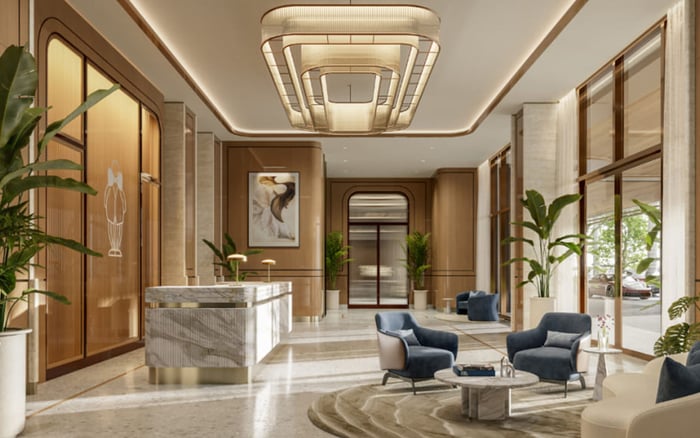
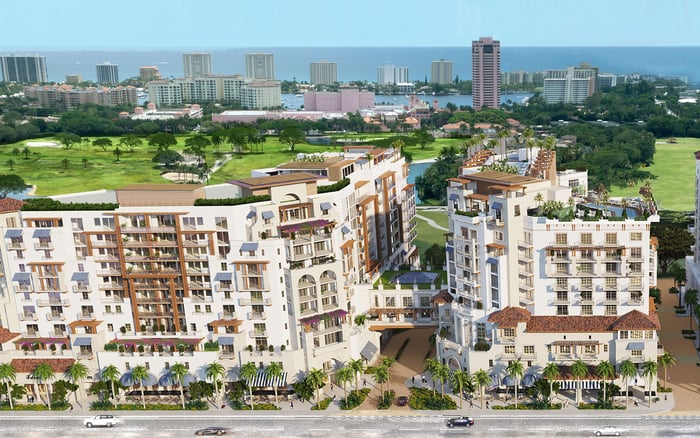
A buyer-focused framework for evaluating wellness amenities at Glass House Boca Raton, from daily utility and privacy to operating costs, access rules, and documentary diligence.
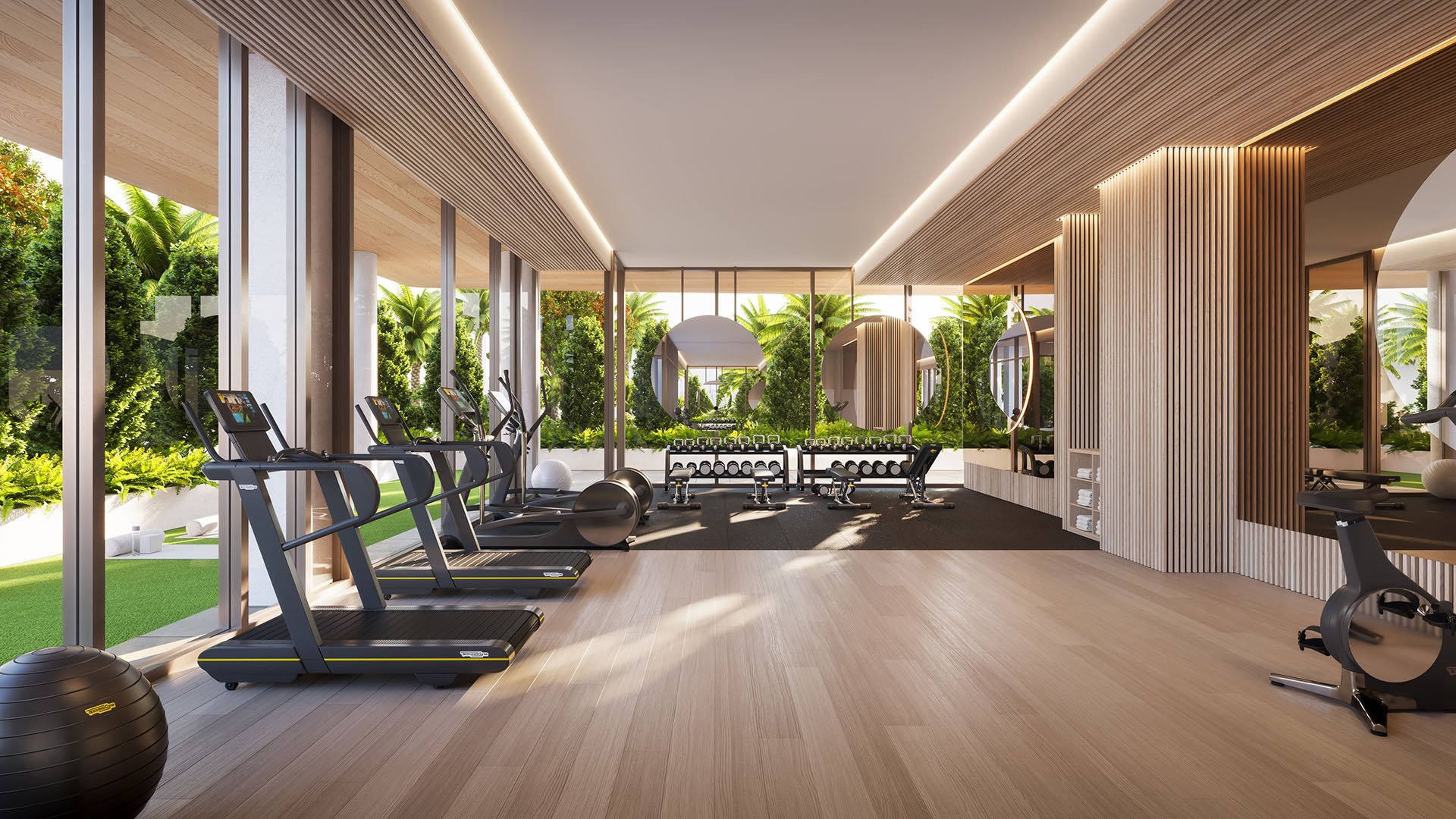
At Glass House Boca Raton, the useful question is not whether the presentation sounds restorative. It is whether the proposed experience supports a buyer’s routine with enough ease, privacy, and consistency to justify its place in the ownership proposition.
Wellness has become a broad luxury category. It can describe exercise, recovery, outdoor time, quiet, social connection, or simply relief from logistical friction. Because the term is elastic, buyers should translate every wellness statement into a practical use case. The objective is not to dismiss presentation language, but to identify where lifestyle value becomes tangible.
Begin with the household, not the brochure. A full-time resident, seasonal owner, frequent traveler, and multigenerational family may assign very different value to the same shared space. A pool may be central to one routine and incidental to another. Privacy may matter more than scale; extended access may matter more than design drama.
For some buyers, wellness may also include visual calm, outdoor transitions, and the ease of moving between the residence and shared spaces. When possible, evaluate those qualities in person rather than inferring them from a rendering. The best amenity is often the one that removes a recurring inconvenience without introducing reservations, crowding, or excessive travel through common areas.
1. Frequency.
Estimate honestly how often each household member would use the feature. Daily or weekly utility generally deserves more weight than an impressive space reserved for occasional guests.
2. Friction.
Trace the complete journey from the residence to the amenity. Consider elevator changes, access controls, operating hours, booking procedures, guest rules, storage, and the return trip. Small obstacles can materially reduce use.
3. Privacy.
Ask how circulation, visibility, acoustics, and capacity shape the experience. Wellness is difficult to sustain when a space feels exposed, congested, or dependent on securing a narrow reservation window.
4. Service.
Clarify what is included, what carries a separate charge, and what depends on outside providers. Equipment and attractive interiors do not, by themselves, establish programming, staffing, maintenance standards, or long-term service continuity.
5. Durability.
Consider whether the amenity will remain relevant after the enthusiasm of opening fades. Flexible, intuitively planned spaces may retain more practical value than highly specialized features that require intensive management or appeal to a narrow audience.
This framework is especially important when buyers are evaluating a proposed experience before every operational detail can be observed.
Marketing materials establish design intent and help buyers understand atmosphere. They are not substitutes for governing and purchase documents. Ask the sales team to identify where dimensions, access rights, operating assumptions, guest privileges, and included services are addressed. Have qualified counsel clarify which materials are contractual and which remain illustrative.
Apply the same discipline to budgets. A sophisticated wellness program can provide meaningful convenience, but it can also affect staffing, maintenance, replacement reserves, insurance, and association expenses. Buyers should seek clarity on the operating model rather than assume every depicted service is included in regular assessments.
Also distinguish a physical feature from an ongoing program. A room may be delivered, while classes, practitioners, scheduling technology, or concierge coordination may depend on future management decisions. That distinction shapes both value and expectations.
Amenity counts rarely produce a useful comparison. Instead, compare the proposed ownership experience at Glass House with other Boca Raton options, including Alina Residences Boca Raton, The Residences at Mandarin Oriental Boca Raton, and Mr. C Residences Boca Raton.
Apply the same questions to each property: Which spaces would you use weekly? How private is the route? What requires booking? Which services cost extra? What do the documents promise? A consistent scorecard prevents a long amenity narrative from carrying more weight than a shorter, better-aligned offering.
Wellness amenities should strengthen an already compelling residence, not compensate for a mismatch in layout, exposure, privacy, carrying costs, or location. Assign each amenity a realistic estimate of annual use, then classify it as essential, useful, occasional, or irrelevant. This simple exercise turns aspiration into a personal value model.
The most persuasive result is not the largest collection of spaces. It is a coherent environment in which the residence, common areas, operating structure, and daily habits work together with minimal friction.
What does wellness mean in a luxury condominium? It can encompass movement, recovery, outdoor access, privacy, calm, and services that simplify healthy routines.
How should buyers evaluate wellness language at Glass House Boca Raton? Translate each statement into a specific use case, then confirm access, cost, operation, and documentary status.
Are amenity renderings contractual promises? Not necessarily. Buyers should ask counsel which plans, specifications, and representations are incorporated into binding documents.
Why do operating hours matter? Restricted hours can reduce practical value for early risers, travelers, families, and owners with irregular schedules.
Should a buyer focus on the number of amenities? No. Relevance, privacy, convenience, capacity, and operating quality usually matter more than the raw count.
How can buyers assess likely crowding? Ask about capacity, reservation rules, guest access, peak periods, and how residents circulate through the space.
Are wellness services always included in association fees? Buyers should not assume so. Confirm which services are included, separately charged, or dependent on third-party providers.
What documents deserve special attention? Review purchase, governance, budget, disclosure, plan, and specification materials with qualified legal and financial advisers.
How should seasonal owners value wellness amenities? Estimate use during actual occupancy and consider whether booking rules support concentrated seasonal demand.
Can wellness amenities support resale appeal? They may broaden appeal when useful and well maintained, but residence quality, costs, and buyer preferences remain decisive.
For a discreet conversation and a curated building-by-building shortlist, connect with MILLION.
If branded residences are on your mind — as a home or as an allocation — we would be glad to share what we are seeing, privately.
Begin a quiet conversation