A practical buyer’s guide to evaluating Oceana Bal Harbour terraces for sun, wind, furnishings, privacy, entertaining, and long-term care.
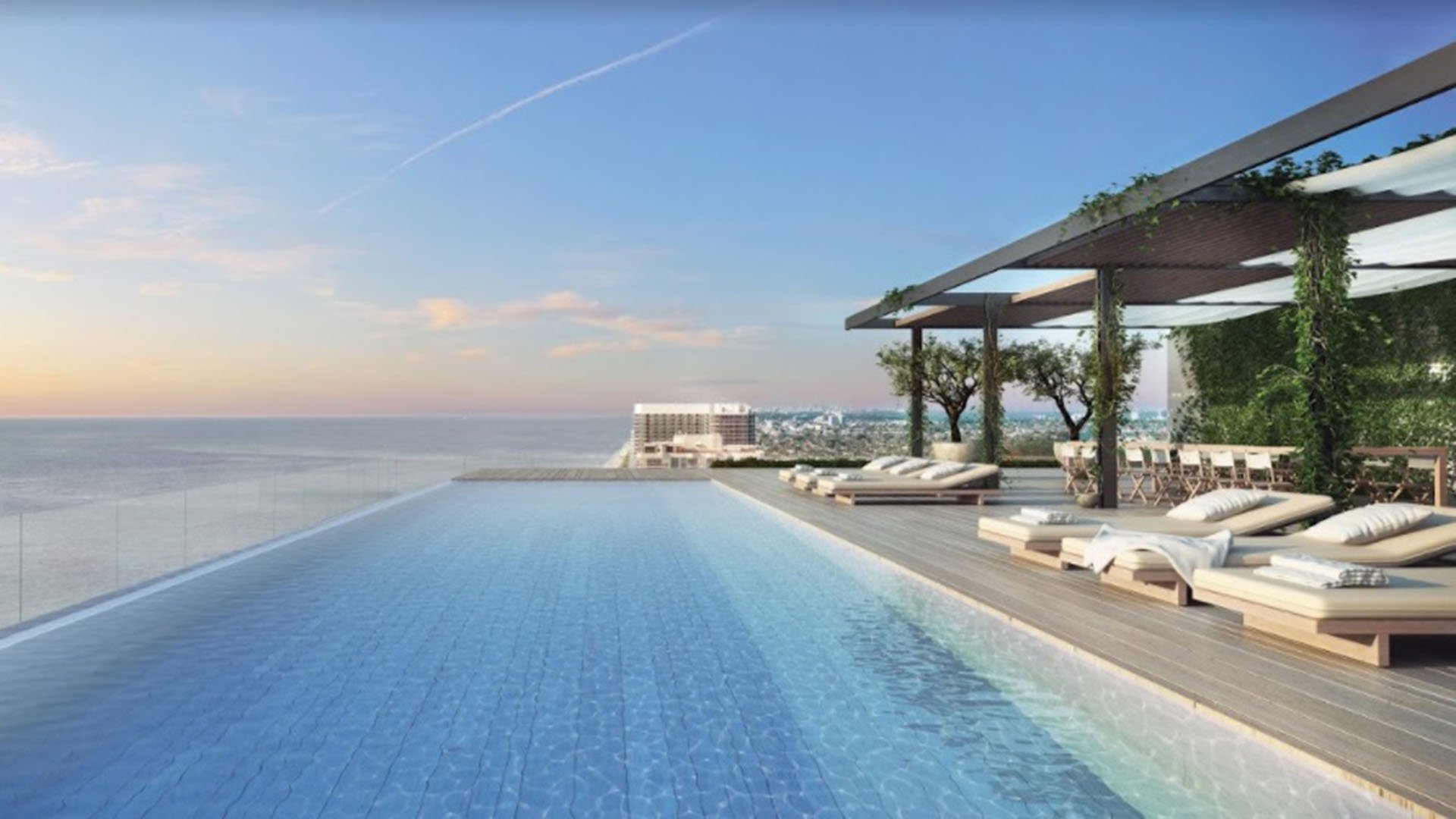
At Oceana Bal Harbour, the terrace is not simply a place to step outside. Built on the former Bal Harbour Beach Club site, the oceanfront condominium was conceived as a slender tower that capitalizes on water views and eastern and western exposures. Its expansive terraces serve as outdoor living areas, with proportions and finishes that complement the interiors.
That promise warrants the same scrutiny a buyer would give a great room or primary suite. Oceanfront conditions can transform how a terrace feels from morning to evening, while depth, wind, privacy, and condominium rules determine how comfortably it can be furnished and used. A thoughtful tour should therefore become an exercise in practical due diligence.
Eastern exposures face the Atlantic Ocean, while western exposures look toward the Intracoastal Waterway and sunset. The preferred view may be immediately apparent, but the implications for direct sun, shade, glare, and heat are more nuanced.
Visit the residence at different times whenever possible. Observe where shade falls across the seating zone, whether glare reaches the interior, and when a dining table would be comfortable. Ask permission to spend enough time outside to distinguish a photogenic moment from a terrace that suits the buyer’s actual routine.
A morning-coffee buyer and a sunset host may reach different conclusions about the same residence line. Neither exposure is inherently superior. The more useful question is whether the daily light pattern aligns with how the home will be occupied.
Total outdoor square footage does not establish whether dining and lounge arrangements will work. Terrace depth, corners, doors, circulation paths, and the relationship between indoor and outdoor rooms matter just as much.
Bring a scaled furniture plan to a second showing. Mark the dimensions of the intended table, chairs, loungers, planters, and service pieces, then preserve comfortable paths to every door. A generous balcony can still feel constrained if furniture interrupts circulation. Conversely, a disciplined plan can give a well-proportioned terrace several distinct uses without visual clutter.
Buyers comparing nearby choices such as Rivage Bal Harbour should apply the same exercise rather than compare outdoor-area figures in isolation.
Evaluate floor height and exposure for wind before committing to umbrellas, lightweight chairs, planters, or freestanding shade systems. Conditions observed at grade do not necessarily reflect the experience outside a particular residence.
Ask management which accessories are permitted and whether wind-rated products, attachment methods, storage procedures, or placement restrictions apply. Confirm each point in the current governing documents before ordering furniture. A rendering or showroom vignette is no substitute for building-specific approval.
The furnishing strategy should favor stability without sacrificing flexibility. Buyers should also decide where cushions and smaller accessories will be stored when the terrace is not in use. The objective is a composed outdoor room that remains manageable as conditions shift-not one that demands constant intervention.
Salt, moisture, ultraviolet exposure, corrosion, fading, and maintenance all shape the long-term appearance of outdoor furnishings and finishes. Request care guidance for every proposed material, including frames, hardware, upholstery, rugs, lighting, and planters.
Ask vendors how finishes age and which components require routine cleaning or replacement. Maintenance access matters as well. Large pieces should not obstruct drainage, façade access, doors, or areas the association must inspect. Oceanfront elegance is sustained through rigorous specification and care, not appearance alone.
Some Oceana residences offer summer kitchens, and select homes include private terrace pools. These features elevate the entertaining proposition, but they also expand the diligence checklist. For a summer kitchen, confirm permitted appliances, ventilation, utility connections, grill rules, maintenance access, and alteration limits. For a private pool, identify maintenance responsibility, operating costs, access requirements, and restrictions on future changes.
Guest access, amplified sound, furniture placement, wind-rated accessories, and permanent improvements should also be checked against current condominium rules. Walk through the entire service sequence: how guests arrive, where food is staged, how the kitchen connects to outdoor dining, and whether traffic crosses a principal seating area.
Privacy warrants equal attention. Review sightlines from inside the residence, across the full terrace, and toward neighboring homes or shared outdoor areas. Test the view while seated as well as standing. Buyers making a broader coastal comparison, including The Surf Club Four Seasons Surfside and Eighty Seven Park Surfside, can apply the same privacy and entertaining audit without assuming one outdoor layout performs like another.
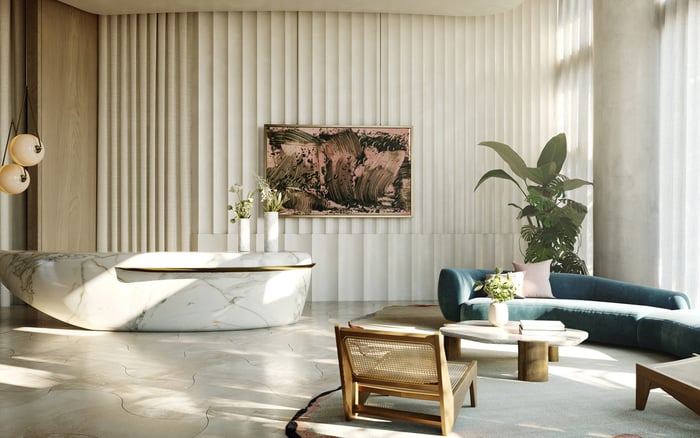
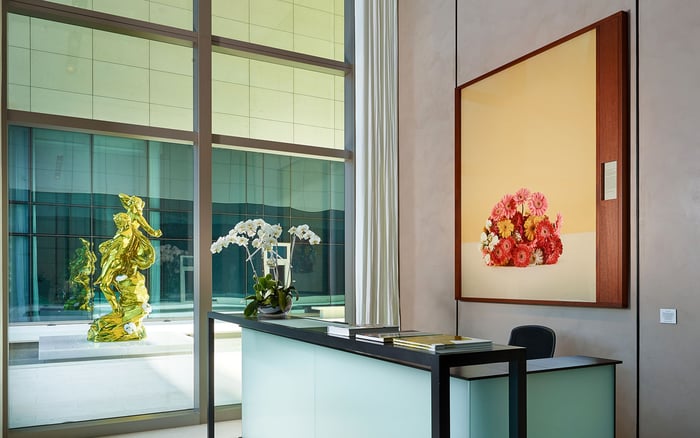
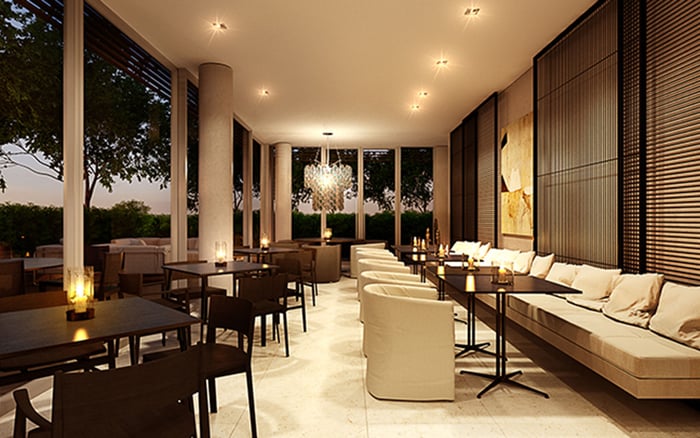
Oceana’s value proposition extends beyond outdoor space to its architecture, art program, services, and Bal Harbour setting. Terrace performance should therefore be weighed alongside the interior plan and building amenities, rather than treated as an isolated feature.
Before closing, revisit the terrace with dimensions, intended furnishings, and written questions. Request current rules, and confirm any planned installation or alteration through the appropriate approval process. The best terrace is not necessarily the largest. It is the one whose light, wind, geometry, privacy, and obligations support the owner’s preferred way of living.
When should a buyer visit an Oceana terrace? Visit at different times of day to evaluate direct sun, shade, glare, and heat.
Is eastern or western exposure better? Eastern exposures face the Atlantic, while western exposures look toward the Intracoastal and sunset. The better choice depends on the buyer’s daily routine.
Is total terrace square footage enough to compare residences? No. Depth, configuration, doors, circulation, and furniture dimensions determine usable space.
How should wind be evaluated? Assess conditions at the specific floor and exposure, then verify building requirements for furniture, planters, umbrellas, and shade systems.
What materials suit an exposed oceanfront terrace? Prioritize materials selected for salt, moisture, ultraviolet exposure, corrosion, and fading, supported by a clear maintenance plan.
Can owners install freestanding shade systems? Buyers should confirm current rules, wind-rating requirements, attachment limits, and approval procedures before purchasing or installing one.
What should be checked for a summer kitchen? Confirm appliance rules, ventilation, utility connections, grill policies, maintenance access, and alteration restrictions.
What diligence applies to a private terrace pool? Establish who handles maintenance, what it costs to operate, how access works, and which alterations are restricted.
How can a buyer assess terrace privacy? Review sightlines from the interior and every outdoor zone, including views from neighboring residences and shared areas.
Which entertaining rules deserve attention? Verify guest access, amplified sound, grills, furniture placement, wind-rated accessories, and permanent-improvement policies.
When you're ready to tour or underwrite the options, connect with MILLION.
If branded residences are on your mind — as a home or as an allocation — we would be glad to share what we are seeing, privately.
Begin a quiet conversation