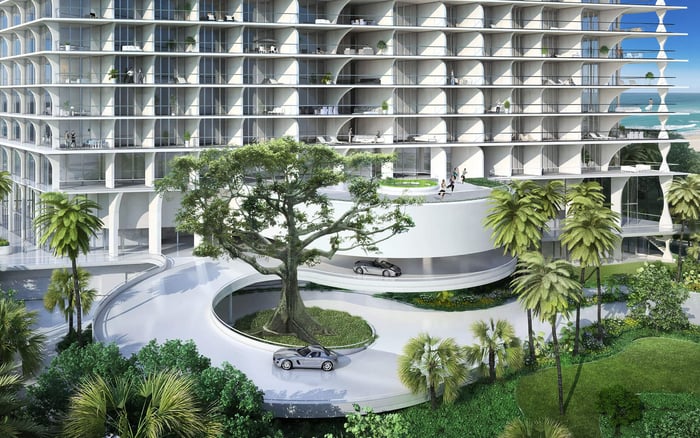
At Muse Residences, a deep private terrace can function as an outdoor room, but its everyday value depends on conditions that vary by residence. Buyers should study sunlight, wind, rain, furnishings, entertaining rules, storm procedures, and maintenance obligations before closing.
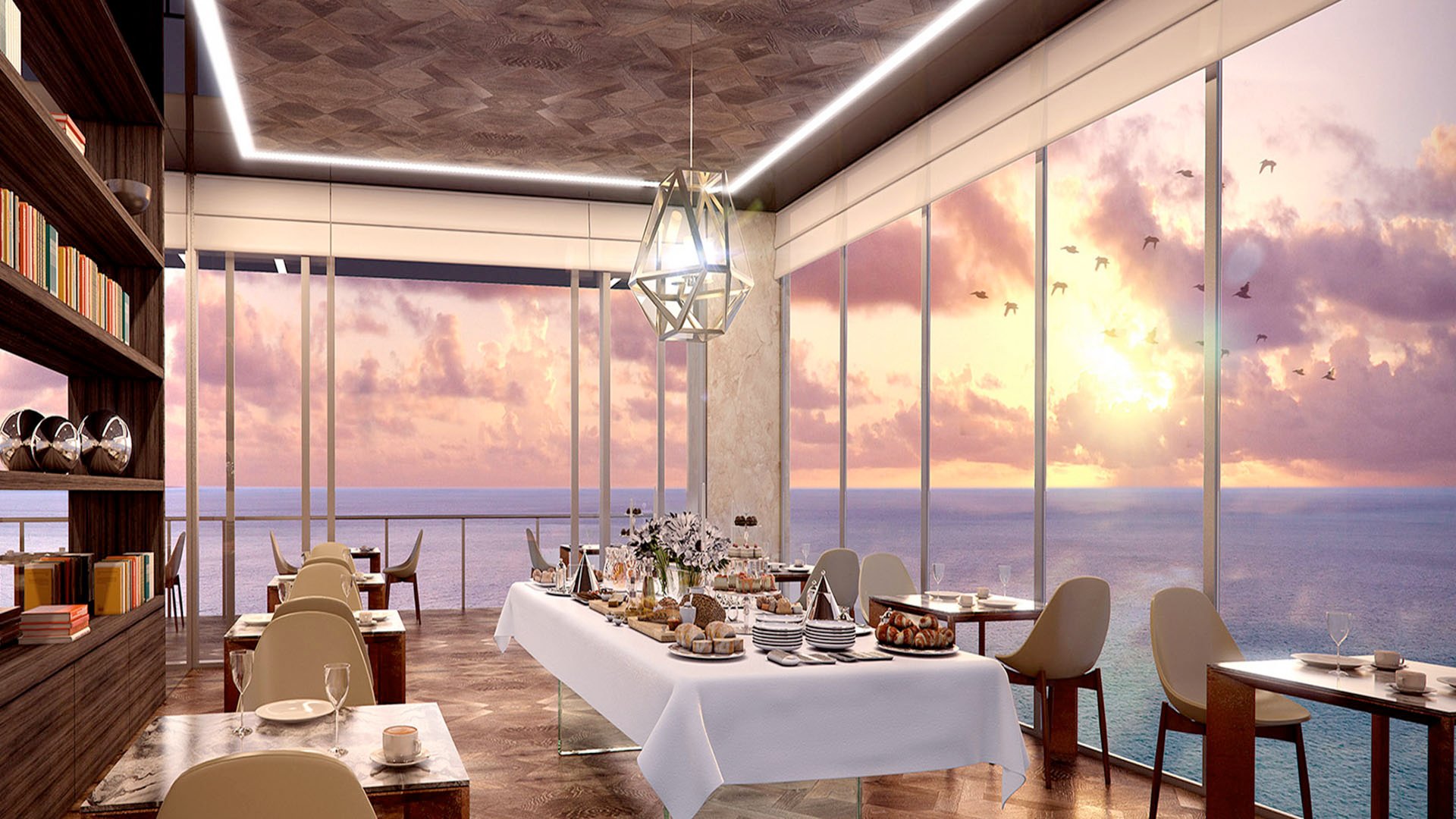
At Muse Residences Sunny Isles Beach, outdoor space is more than decorative frontage. The boutique, low-density oceanfront tower offers a limited collection of large residences, with substantial private terraces conceived as extensions of the interiors. Floor-to-ceiling glazing, expansive openings, glass railings, and panoramic Atlantic views reinforce that connection.
The architecture associated with Carlos Ott emphasizes glass and clean lines, while deep terraces provide more usable space than a conventional narrow condominium balcony. Yet dimensions and views alone do not determine how comfortably a terrace will perform. The essential question is practical: how will this particular outdoor room function at breakfast, at sunset, during a breezy dinner, and while the residence is unoccupied?
Visit the residence at more than one time of day. Observe where direct sun reaches the seating areas, how glare interacts with the glazing, and whether shade covers the intended dining and lounging zones. Floor, orientation, terrace depth, and neighboring structures can all shape the experience, making a unit-specific inspection more valuable than a general description of the building.
Give rain equal consideration. Note the distance between the doors and exposed edge, then determine where cushions, rugs, serving pieces, and electronics would go when the weather changes. Ask whether water collects anywhere and who maintains the drains, surfaces, railings, doors, and seals. Confirm any answer affecting ownership obligations in the current condominium documents rather than relying on informal guidance.
Muse's direct Atlantic exposure brings commanding views along with coastal conditions. Wind can vary by floor, orientation, season, and local weather, making an in-person test especially valuable. During a showing, spend meaningful time outside rather than stepping onto the terrace only for the view. Listen for wind noise, assess whether the doors are comfortable to operate, and note whether table settings would remain composed.
Buyers comparing the Sunny Isles Beach corridor might also tour Jade Signature Sunny Isles Beach, Turnberry Ocean Club Sunny Isles, and The Ritz-Carlton Residences® Sunny Isles. The purpose is not to assume identical conditions, but to refine questions about exposure, terrace geometry, and personal comfort across specific residences.
A deep terrace invites the scale and arrangement of an outdoor salon, but furniture should be selected only after the rules and physical conditions are clear. Sketch distinct zones for dining, lounging, circulation, and access to doors and drains. Measure each area and consider how pieces will move through the residence during delivery or storm preparation.
Request written guidance on permissible furniture, planters, umbrellas, screens, lighting, floor coverings, and attachment methods. Project-specific anchoring and modification policies must be confirmed directly. Ask management whether furnishings must meet particular wind-related requirements, whether drilling or fastening is prohibited, and what must be removed or secured when a storm approaches.
Materials also warrant scrutiny. Ask a qualified designer or supplier about finishes suited to salt air, intense sun, moisture, and frequent cleaning. Removable cushions and manageable furniture weights may simplify daily use, but any plan must remain consistent with association rules and safe handling practices.
The visual connection between Muse's primary living areas and adjoining terraces makes indoor-outdoor hosting an intuitive proposition. Before planning dinners or celebrations, establish the operational boundaries. Request the latest house rules addressing guest access, occupancy, music, quiet hours, deliveries, catering personnel, service elevators, and cleanup.
Do not presume that an outdoor kitchen appliance, grill, speaker, decorative light, or temporary installation is permitted. Request the precise rule and any approval process. Buyers who entertain frequently should also test circulation from the kitchen to the terrace, identify a discreet service path, and consider whether open doors affect interior temperature, acoustics, or humidity.
The most useful file combines governing documents with observations from the exact residence. Obtain current condominium documents, house rules, terrace alteration standards, maintenance allocations, insurance guidance, and storm procedures. Ask whether prior terrace work received approval and whether any open issue involves doors, glazing, railings, drainage, waterproofing, or finishes.
Record the conditions during each visit: time, weather, sunlight, shade, wind, noise, and any evidence of water movement. Confirm which elements belong to the owner and which are maintained by the association. If an intended use is central to the purchase, such as regular outdoor dining or extensive planting, secure appropriate professional and legal review before relying on it.
The goal is not to diminish the romance of Atlantic terrace living, but to protect it. When exposure, rules, furnishings, and upkeep receive the same scrutiny as the interior, the terrace can be evaluated as a genuine part of the residence rather than an attractive assumption.
Why should buyers visit a Muse terrace more than once? Sun, shade, glare, wind, and noise can shift with the hour and weather, making repeat visits more revealing than a single showing.
Does every residence have the same terrace conditions? No. Floor, orientation, terrace depth, and neighboring structures can affect exposure and usability.
Are grills permitted on private terraces? Do not assume grills are permitted. Confirm the current written rule with the association or management.
Can terrace furniture be anchored? Do not assume anchoring is allowed. Request written alteration standards and any wind-related furniture requirements before selecting or installing pieces.
Who maintains terrace drains and surfaces? Responsibility may depend on the condominium documents and the element involved. Confirm the allocation for drains, finishes, railings, doors, and waterproofing.
What should buyers ask about storm preparation? Ask what must be removed or secured, when action is required, who may enter an unattended residence, and where outdoor items may be stored.
How can buyers evaluate shade? Visit during the hours when the terrace would be used most often and map direct sun across dining, lounging, and circulation zones.
What entertaining rules matter most? Review guest access, occupancy, music, quiet hours, catering, deliveries, service-elevator use, and cleanup requirements.
Should a designer review the terrace before closing? A qualified professional can help assess layout, materials, circulation, and weather exposure, subject to association rules and approvals.
What documents should a buyer request? Request current condominium documents, house rules, terrace standards, maintenance obligations, storm procedures, and records relevant to prior alterations.
For a tailored shortlist and next-step guidance, connect with MILLION.
If branded residences are on your mind — as a home or as an allocation — we would be glad to share what we are seeing, privately.
Begin a quiet conversation