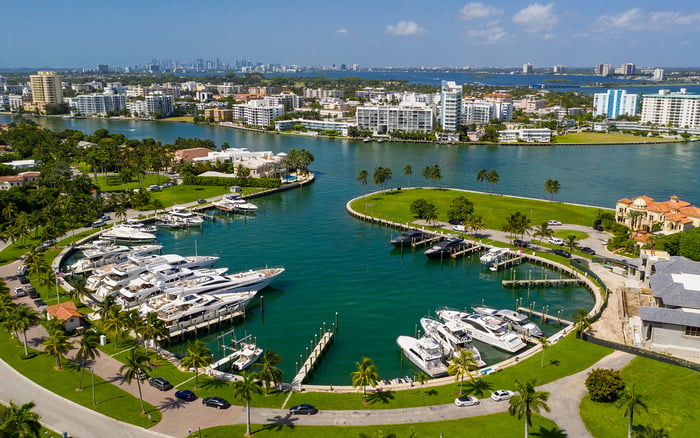
Surfside offers a compact beach-town setting; Key Biscayne offers a delineated swim zone and water-quality resources. For the pre-work swimmer, the decisive luxury is a residence with verified access, suitable morning hours and a dependable alternative when ocean conditions interrupt the routine.
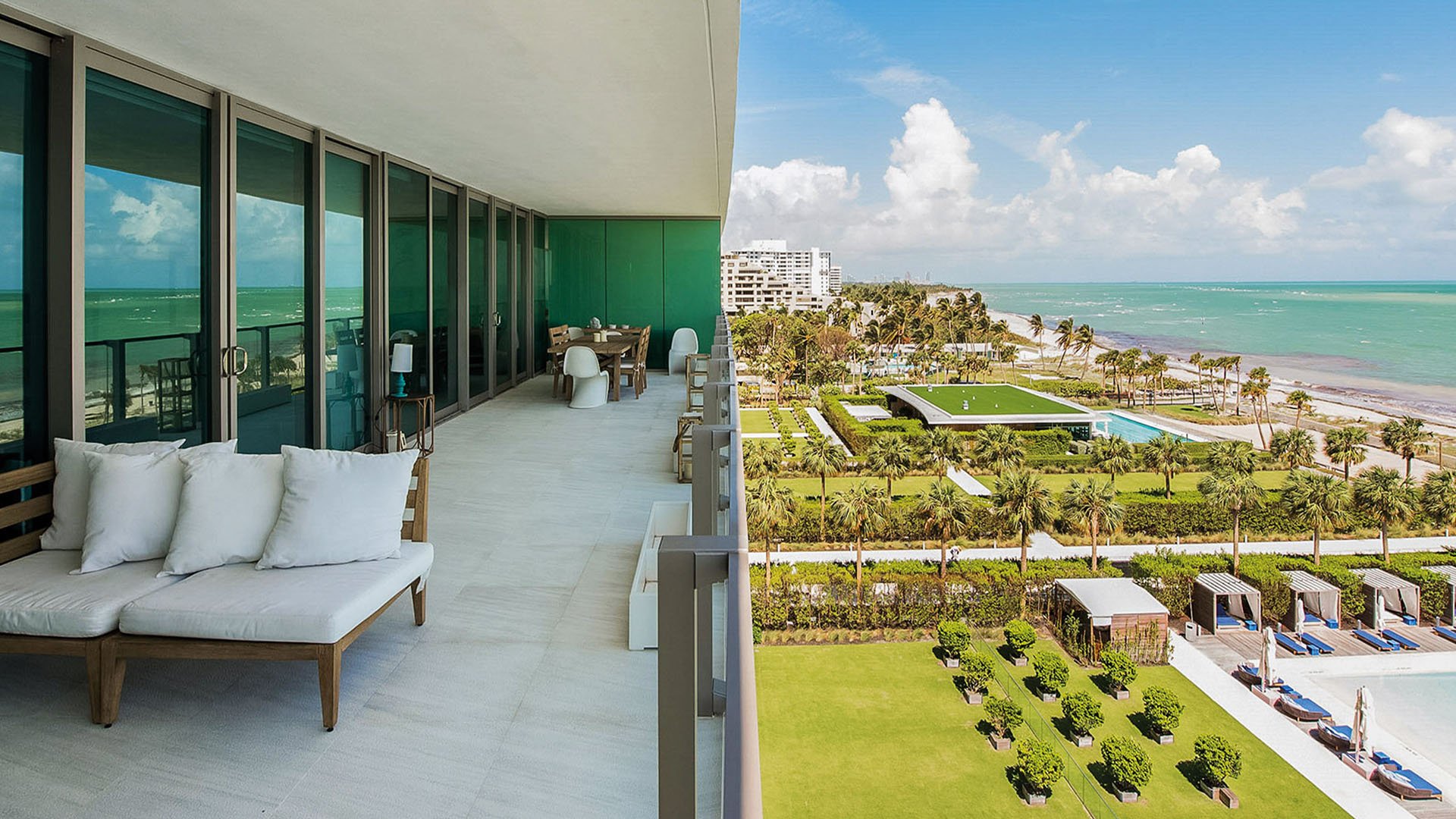
For a buyer who wants to swim before the workday, the most valuable waterfront amenity is not necessarily the most dramatic ocean view. It is a repeatable sequence: leave home, reach suitable water, swim, shower and arrive at the first appointment without turning the morning into a logistical exercise.
Surfside and Key Biscayne offer different foundations for that ritual. Surfside combines an approximately mile-long beach with a pedestrian-friendly business district. Key Biscayne has a buoy-marked swimming area and resources for checking water quality. Neither distinction establishes which address will deliver the better early swim.
The recommendation is conditional: favor Surfside if a compact beach-town setting and nearby services define your ideal morning. Favor Key Biscayne if a delineated swimming area matters most. In either location, let verified access, operating hours and the actual weekday routine decide the purchase.
Set between Miami Beach, Bal Harbour and the Atlantic Ocean, Surfside offers shoreline walking and biking paths alongside its approximately one-mile beach. Its pedestrian-friendly business district adds shops and restaurants. For a buyer imagining a swim followed by a walk to breakfast, that combination deserves attention, though the precise route remains property-specific.
The distinction is between neighborhood appeal and usable access. An address near the shoreline does not, by itself, establish a direct route, deeded beach rights or a gate that opens when you intend to swim. Walk the entire route from the residence, including elevators, exits and the return with wet equipment.
When considering Arte Surfside, make that journey part of the viewing rather than an assumption attached to the name. The same discipline applies to Fendi Château Residences Surfside: confirm the specific residence’s access rights and applicable rules before treating the beach as an extension of the home.
A lifeguard location outside the Community Center provides a useful geographic reference. It does not establish early-morning coverage. Confirm when coverage begins and whether the schedule aligns with your intended swim.
Key Biscayne’s floating buoys delineate a swim zone intended to help keep boats and kiteboarders outside the swimming area. The boundary lies approximately 300 feet from shore. For a buyer who values a visibly defined area, this is a meaningful distinction-not a reason to assume uniformly calm or safe water.
The northern beach also has shallow water and a sandbar that can extend beyond the designated boundary. That matters when assessing a swimming route: shallow-looking water is not an invitation to move beyond the marked zone. Evaluate conditions and boundaries where you expect to enter.
A residence at Oceana Key Biscayne should therefore be assessed through its specific door-to-water route, not a general impression of island swimming. Confirm access arrangements, morning restrictions and the return route to a shower, just as you would in Surfside.
Weekly water-quality results are also available for several locations around the village and island. Make checking the relevant location part of the routine. A defined swimming area and a water-quality check answer different questions; neither replaces the other.
Surfside’s beach flags indicate relatively calm conditions in green, moderate hazards in yellow and dangerous surf or currents in red. A red flag bearing a no-swimming symbol means the water is closed to the public. Green is not a guarantee of safety.
Swimming in lifeguard-protected areas and never swimming alone are important precautions. For the pre-work buyer, lifeguard coverage can be the decisive constraint: a schedule that depends on entering the ocean before coverage begins may not support the routine you want. Confirm current hours rather than assuming that a lifeguard location means a lifeguard is on duty.
Water quality can also interrupt the plan. A no-swim advisory was issued in Surfside on February 1, 2024, following January 30 testing at the 93 Street beach that failed recreational-water criteria for Enterococcus bacteria. That historical event is not evidence of a current advisory. It is a reminder to check current conditions in either location, however inviting the water appears.
If the goal is consistent exercise rather than an ocean swim at any cost, a suitable pool can be the deciding amenity. Its value depends on eligibility, opening hours, layout and rules-not simply its presence in property photography. Ask whether your intended early session is permitted and whether the pool suits the way you train.
Surfside’s Community Center includes aquatic facilities such as a children’s activity pool and splash pad, with access for residents and hotel guests. Those facilities should not automatically be treated as an early-opening lap-swimming alternative. Confirm eligibility, hours and suitability separately.
Likewise, when evaluating The Surf Club Four Seasons Surfside, distinguish hotel amenities from the rights attached to a particular residence. The hotel’s amenities include a 65-foot family pool and 900 feet of beachfront. Those details neither establish access for every nearby homeowner nor confirm that a family pool meets a training swimmer’s needs.
Arrange a weekday visit at the hour you intend to leave home. Time the route to the water without swimming if conditions or coverage are unsuitable. Check gate operation, permitted entry points and the practicalities of carrying a towel, goggles and work essentials.
Then rehearse the return. Confirm shower availability rather than assuming a beachside rinse exists, and include the time needed to change before leaving for work. Ask management for written confirmation of amenity eligibility, operating hours and restrictions applicable to the residence.
Finally, test the onward journey to your actual office. Neither location should win on an assumed commute advantage. A neighborhood that feels effortless during a leisurely viewing may fit differently into a fixed morning schedule. Include a second version of the routine for days when ocean swimming is inappropriate.
Surfside is the stronger fit when compact coastal living and a walkable business district are the priorities. Key Biscayne deserves particular consideration when a buoy-delineated swimming area and regular water-quality checks matter most. Neither is a universal winner for early swimming.
Choose the residence that makes access, safe timing, a shower and the onward journey work together, with a verified alternative when the ocean is unavailable. That is the more enduring luxury: a morning ritual supported by the property rather than merely suggested by its view.
Explore a property-specific shortlist with MILLION.
If branded residences are on your mind — as a home or as an allocation — we would be glad to share what we are seeing, privately.
Begin a quiet conversationSurfside suits buyers prioritizing a compact beach-town setting, while Key Biscayne offers a delineated swim zone. The better choice depends on verified access, lifeguard coverage, pool hours and your weekday routine.
A buoy-marked swim zone does not establish calmer water. Assess current conditions at the location where you intend to swim.
Surfside’s beach is approximately one mile long, with shoreline walking and biking paths.
The described boundary is approximately 300 feet from shore. A northern sandbar can extend beyond the designated zone.
Confirm current lifeguard hours at your intended entry point before planning an early swim. Surfside advises using lifeguard-protected areas and never swimming alone.
Green indicates relatively calm conditions, yellow moderate hazards and red dangerous surf or currents. A red flag bearing a no-swimming symbol means the water is closed to the public.
No, that historical advisory does not establish current conditions. Check current water-quality information and beach restrictions before entering.
Proximity alone does not establish eligibility. Confirm the rights attached to the specific residence and the pool’s operating rules.
Verify beach access rights, gate hours, pool eligibility, showers and the complete door-to-water route. Test the onward weekday journey to your office as well.
A suitable pool can support the routine, provided access and opening hours are confirmed. Check that its layout and rules accommodate your intended exercise.