
For yacht owners considering South Florida, potential state-income-tax savings are only one part of a larger residency and lifestyle equation. The smarter purchase aligns tax planning, waterfront access, marina routines, privacy, and long-term household needs before the contract is signed.
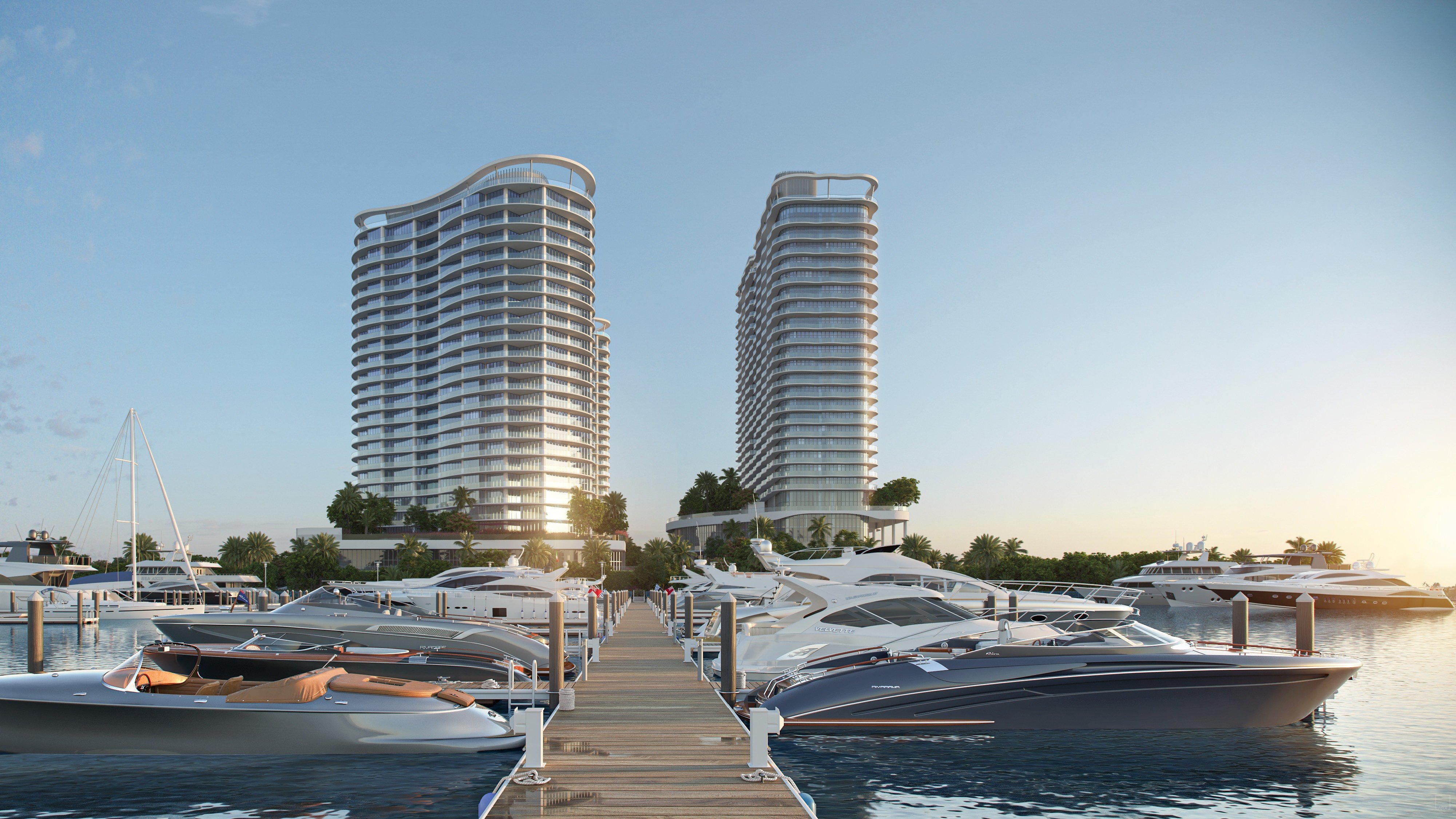
For yacht owners, South Florida’s appeal is rarely one-dimensional. The draw may begin with potential state-income-tax savings, but the purchase decision quickly becomes more complex: where the vessel will live, how often the owner will be in residence, which routines demonstrate a genuine change of life, and whether the home itself supports the pattern the buyer intends to establish.
The most sophisticated buyers treat the residence, vessel, household calendar, advisory team, and travel habits as one coordinated plan. A waterfront condominium in Miami Beach, a quiet estate near a preferred marina, or a lock-and-leave residence in Brickell can each serve a different purpose. The right answer depends less on a headline tax advantage than on whether the entire arrangement is coherent, durable, and easy to document.
This is not a matter of simply buying a beautiful apartment and forwarding mail. State-income-tax savings can be meaningful, but they should be considered alongside domicile planning, vessel ownership structure, time spent in and out of Florida, family logistics, club memberships, professional obligations, and the location of the owner’s real daily life. The residence should make that life natural, not performative.
For ultra-high-net-worth yacht owners, the cleanest planning usually starts with a simple question: where is the center of gravity? If South Florida is to become the primary base, the residence must support the owner’s actual habits. That may mean proximity to a captain, easy airport access, a neighborhood with privacy, or a building that operates smoothly while the owner is offshore for extended periods.
The legal and tax analysis belongs with qualified advisors, but the real estate choice can either reinforce or complicate that work. A buyer who intends to spend meaningful time in Florida should think beyond the closing statement. Driver and voter records, banking relationships, doctors, family schedules, charitable commitments, and household operations may all need to align with the intended move.
The emotional side matters as well. A residence that feels secondary is less likely to become a true base. A residence with the right terrace, security, staff standards, storage, services, and dockside rhythm can encourage the behavior that planning requires. In that sense, the strongest tax strategy may begin with a home the buyer genuinely wants to occupy.
The first question is not always “Where is the best view?” It may be “Where does the yacht make sense?” Owners should assess whether they want to be near a full-service yachting environment, near the ocean, near family, or near business meetings. A grand residence that adds friction to every departure can lose its appeal quickly.
Fort Lauderdale offers a particularly natural conversation for yacht owners because the city’s identity is closely tied to boating, service yards, canals, and waterfront living. A buyer considering St. Regis® Residences Bahia Mar Fort Lauderdale is not merely evaluating a branded address. The broader question is whether the location supports the owner’s boating calendar, hospitality expectations, and desire for a polished coastal base.
Miami Beach, by contrast, often speaks to the owner who wants culture, dining, beach proximity, and a more resort-driven pattern of use. At The Perigon Miami Beach, the draw is not only the shoreline setting, but the possibility of pairing a refined residential environment with the social and design language of Miami Beach. For some, that balance is exactly what turns a tax-motivated move into a lived decision.
Brickell can work for owners whose center of gravity includes finance, family offices, restaurants, and airport movement. Una Residences Brickell places the conversation in a more urban, bayfront frame, where access, staff support, and city energy may matter more than a traditional yacht-club rhythm.
A yacht owner’s property search should include the vessel from the first meeting. Where will it be docked? Who manages it? How far is the residence from the slip? Will guests board from a private marina, a club, or a commercial facility? How will crew access the boat without disrupting the household? These are not decorative questions. They shape daily convenience.
The same is true for tax and ownership planning. Vessel registration, use patterns, charter activity, insurance, maintenance schedules, and time spent in different jurisdictions can introduce issues that sit beside, but separate from, personal residency. Buyers should avoid assuming that a Florida residence automatically resolves every yacht-related question. It may support the overall plan, but it does not replace vessel-specific advice.
For owners moving from higher-tax states, the residence search should also include a documentation mindset. Calendar discipline, travel records, marina invoices, service appointments, and household routines can become part of the factual picture. A strong plan is usually one that is easy to live and easy to explain.
Waterfront is not a single category. Some buyers want a direct connection to the water and are willing to accept visibility, traffic, and a more active setting. Others prefer discretion, controlled access, and a quieter arrival sequence, even if the yacht is kept elsewhere. The correct balance depends on personality, security requirements, and how often the owner entertains aboard.
Fisher Island remains compelling for buyers who want separation, service, and a private residential atmosphere. The Residences at Six Fisher Island fits into that conversation for owners who place a premium on controlled access and a resort-like residential cadence. The question is whether the island lifestyle matches the owner’s actual schedule and operational needs.
For others, the best fit may be a residence that does not try to solve every boating requirement at home. A buyer may choose a secure high-rise with exceptional services and keep the vessel at a specialized facility. This can be more practical than insisting on a private dock that compromises views, privacy, or neighborhood preference.
The most efficient buyers assemble their advisory team early. Tax counsel, estate counsel, insurance advisors, vessel specialists, aviation advisors, and the real estate team should understand the intended move before the purchase agreement becomes binding. Each discipline sees a different risk, and the best outcomes emerge when those risks are considered together.
A residence that is ideal from a design standpoint may be less ideal for documentation, household staffing, or travel logistics. Conversely, a property that seems conservative may prove more useful because it supports a clear routine. The purchase should answer three practical questions: can the owner live here comfortably, can the vessel be managed intelligently, and can the broader plan be maintained over time?
South Florida’s luxury market offers many versions of that answer. The art is not chasing every amenity. It is choosing the address that makes the intended life feel inevitable.
Can buying in South Florida create state-income-tax savings? It may be part of a broader tax strategy, but buyers should rely on qualified tax counsel before making assumptions.
Is purchasing a residence enough to establish Florida domicile? A purchase alone is usually only one element; daily life, records, and long-term intent should be aligned.
Should yacht ownership be discussed before the home search begins? Yes. Dockage, crew access, service routines, and vessel planning can materially influence the best address.
Is waterfront living always the best choice for yacht owners? Not always. Some owners prefer privacy and keep the yacht at a dedicated marina or club facility.
Why does Miami Beach appeal to relocating yacht owners? Miami Beach can combine coastal living, culture, dining, and resort energy in a way that supports frequent use.
Why might Fort Lauderdale be part of the search? Fort Lauderdale is often considered by buyers who prioritize boating convenience and a strong yachting lifestyle.
Can Brickell work for a yacht owner? Yes, especially when business access, dining, services, and bayfront living are central to the owner’s routine.
Should vessel registration and personal residency be handled together? They should be coordinated, but each may involve separate legal, tax, insurance, and operational considerations.
What is the biggest mistake buyers make? Treating tax planning as separate from how they will actually live, travel, maintain the yacht, and use the home.
What is the best way to shortlist comparable options for touring? Start with location fit, delivery status, and daily lifestyle priorities, then compare stacks and elevations to validate views and privacy.
If you'd like a private walkthrough and a curated shortlist, connect with MILLION.
If branded residences are on your mind — as a home or as an allocation — we would be glad to share what we are seeing, privately.
Begin a quiet conversation
.jpg&width=700&height=438&fit=cover)