For an estate retaining or transferring a South Florida residence, closing readiness depends on more than a scheduled date. Bound insurance, lender acceptance, carrier-specific storm restrictions, and contract-based postponement rights require coordinated review.

For an estate deciding whether to retain or transfer a South Florida residence, insurance belongs at the start of the planning conversation, not at the signature table. A lender generally requires acceptable evidence of property insurance effective on or before closing. If coverage cannot be bound, funding may be delayed even when the parties are otherwise ready.
The distinction is between arranging insurance and securing it. A quote, completed application, or payment authorization does not necessarily establish bound coverage. The objective is a binder or other lender-acceptable evidence, followed by confirmation that the lender accepts it for the transaction.
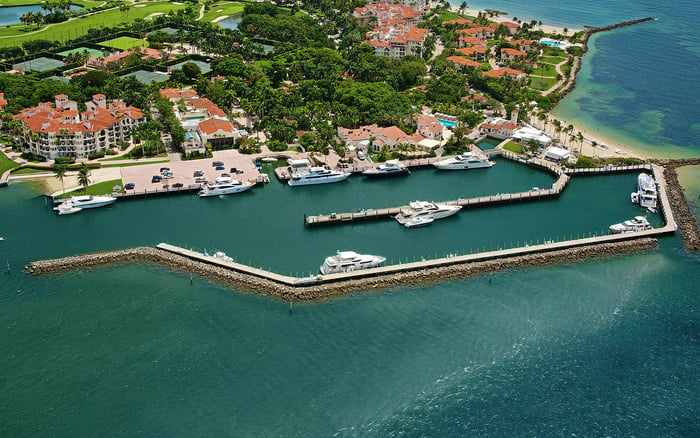
Whether the residence is in Coconut Grove or on Fisher Island, keep three questions separate: can the insurer bind the required coverage, will the lender accept it, and what does the executed contract permit if closing cannot proceed? A favorable answer to one does not resolve the others.
Begin by clarifying the intended outcome: continued retention, a transfer to a successor, or a sale. Then ask estate counsel and the insurance professional to identify the documents and coverage questions relevant to that outcome. A general closing checklist does not determine probate authority or insurance rights after an owner's death.
For a retained residence, focus on whether the existing insurance arrangements fit the intended ownership and use. For a transfer involving financing, include the lender's insurance conditions in that review. Questions about named insureds, occupancy, and proposed policy changes require transaction-specific answers, not assumptions based on the property's previous arrangements.
In a proposed transaction involving Una Residences Brickell, for example, the first step is not to infer requirements from the address. It is to establish the parties, intended transaction, and insurance evidence needed. The same discipline applies to an estate-held house.
Insurance evidence should identify the correct property, insured parties, mortgagee, limits, deductibles, and effective date. Review those details together. A document that appears complete can still leave a funding question unresolved if it does not reflect the transaction the lender is underwriting.
Depending on the property and loan, requirements may include windstorm or flood coverage, acceptable deductibles, replacement-cost terms, and condominium master-policy evidence. Request the applicable requirements early, then ask the insurance professional to confirm how the proposed coverage addresses them.
For a Miami Beach transaction involving Setai Residences Miami Beach, the practical condominium question is whether the lender needs master-policy evidence alongside the residence's insurance documentation. Resolve that question for the specific loan; it is not a statement about the project's insurance or financing status.
The preparation is straightforward: bind coverage before storm restrictions arise and obtain lender acceptance before the final closing review. An early quote is useful for planning, but it does not complete the insurance review.
Storm restrictions vary by insurer and can operate statewide. Under an insurer's applicable rule, a tropical-storm or hurricane watch or warning for any part of Florida can prohibit new coverage or increases in coverage. A watch elsewhere in the state can therefore matter to a South Florida closing.
Under that statewide watch-or-warning rule, requesting an effective date after the storm does not bypass the suspension. The restriction concerns the ability to bind, not simply the date on which the applicant would prefer coverage to begin.
Private carriers may restrict binding when a storm is named and threatens their coverage area, rather than waiting for a watch or warning. They may also impose restrictions earlier or keep them in place longer than another insurer. One carrier's reopening is not proof that another can bind.
For a proposed closing at Jade Signature Sunny Isles Beach, ask the chosen insurer about its current restriction, the requested coverage, and any contemplated increase. A binding rule explains a trigger; it does not establish whether a suspension is active today.
Coverage genuinely bound before a suspension may allow closing to proceed, subject to lender acceptance and any other storm-related conditions. That possibility makes early binding valuable, but it is not a promise that every previously scheduled transaction will fund.
A binding suspension is not the same as cancellation of existing coverage. Nor does a scheduled closing guarantee an exception for a pending application. Any accommodation for an existing request or binder is carrier-specific and should be confirmed in writing.
Ask for two distinct confirmations: evidence that coverage has actually been bound, and confirmation that the lender accepts that evidence for the anticipated closing. If the transaction team is relying on an exception, identify precisely what the insurer has approved. An expectation that the insurer will accommodate the closing is no substitute for a documented answer.
A delayed closing requires a fresh review of the existing policy or binder against the revised date and lender conditions. Do not assume that moving the appointment resolves an insurance problem or that every previously accepted document remains sufficient.
For a Fort Lauderdale transaction involving Four Seasons Hotel & Private Residences Fort Lauderdale, a revised closing calendar should prompt the same coordinated discussion: insurer confirmation of the coverage arrangements, lender confirmation of acceptability, and counsel's review of contractual deadlines. These are separate checks, not interchangeable approvals.
Force-majeure provisions may extend affected deadlines and eventually permit cancellation, but the executed contract determines those rights. There is no universal hurricane extension, cancellation entitlement, or fixed post-storm waiting period that applies to every transaction. Have counsel review the actual language before relying on postponement or treating a missed date as permission to exit.
Before proceeding, assemble a concise record: lender-acceptable insurance evidence, confirmation of applicable carrier restrictions, lender acceptance, and any documented agreement or contractual basis for a revised closing date. Where the estate's intended ownership or use raises policy questions, obtain specific answers before treating the file as ready.
The objective is not simply speed. It is a closing timetable supported by coverage that can be bound, evidence the lender will accept, and contractual rights that have been checked rather than presumed. For an estate stewarding a significant residence, that distinction protects the quality of the decision.
For a discreet perspective on your next South Florida residence, explore MILLION.
If branded residences are on your mind — as a home or as an allocation — we would be glad to share what we are seeing, privately.
Begin a quiet conversationA lender generally requires acceptable evidence of property insurance effective on or before closing. If the required coverage cannot be bound, funding may be delayed.
No. A quote, application, or payment authorization does not necessarily establish bound coverage; obtain a binder or other lender-acceptable evidence.
It should identify the correct property, insured parties, mortgagee, limits, deductibles, and effective date.
Yes. Under a statewide watch-or-warning binding rule, a qualifying watch or warning elsewhere in Florida can prevent new binding for a South Florida residence.
Not under the statewide watch-or-warning rule described in the article, which applies regardless of the requested effective date. Confirm the applicable insurer's requirements directly.
No. Private carriers may restrict binding when a named storm threatens their coverage area, and their restrictions may begin earlier or end later than another insurer's.
Yes, genuinely bound coverage may allow closing to proceed, subject to lender acceptance and any other storm-related conditions.
A binding suspension should not be equated with cancellation of existing coverage. Confirm the status of the specific policy with the insurer.
Recheck whether the policy or binder satisfies the revised closing date and lender conditions. Counsel should also review contractual deadlines and the basis for any extension.
No universal right applies. Force-majeure provisions may extend affected deadlines or eventually permit cancellation, but the executed contract determines those rights.