A practical guide for part-time Edgewater owners to distinguish structural inspections from waterproofing reviews, request balcony repair records, and coordinate façade access while away.
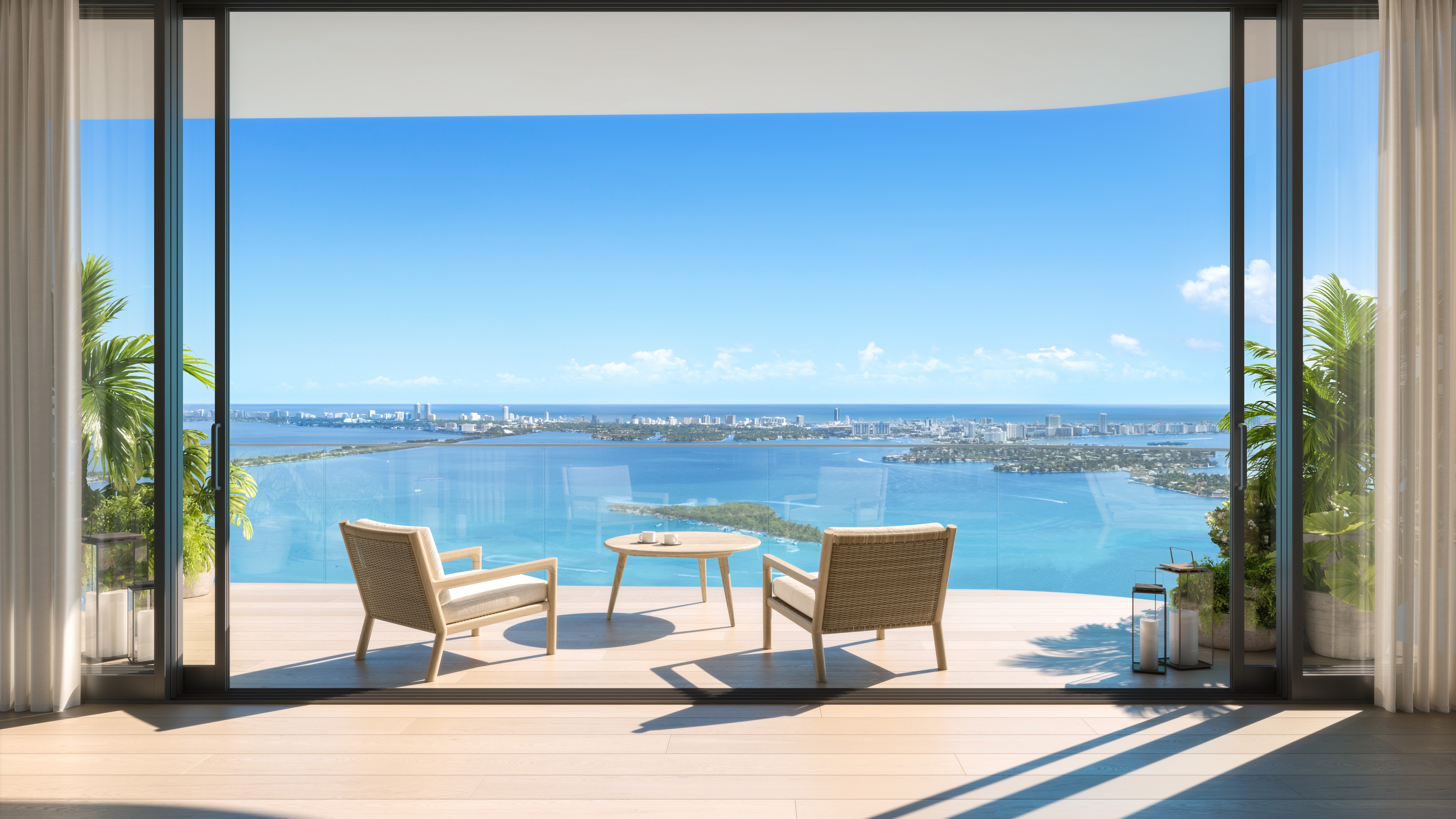
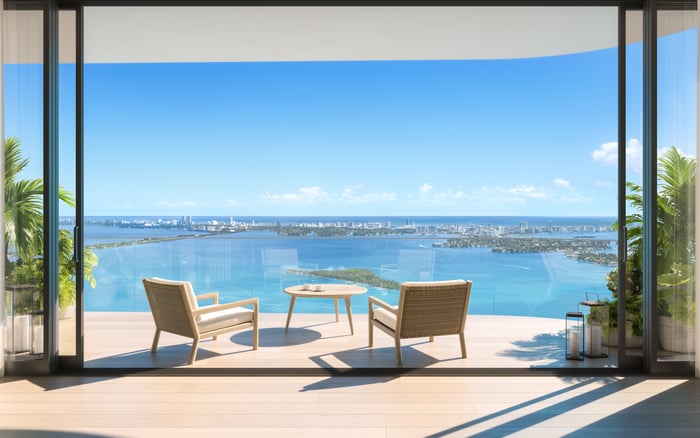
An Edgewater residence should be easy to return to, not a collection of unresolved maintenance questions. For a part-time owner, the balcony warrants particular attention: what documentation supports its waterproofing, what happens when rain intrusion is reported, and who coordinates access when exterior work reaches the residence?
Treat these as three separate inquiries. Structural inspection findings, waterproofing records, and contractor schedules answer different questions. A satisfactory milestone inspection is not a waterproofing guarantee.
When considering Aria Reserve Miami, for example, request documentation specific to the residence and the building’s stage of ownership. The project name is a starting point for due diligence, not evidence of a membrane’s condition. Apply the same discipline to any Edgewater purchase.
Florida’s milestone-inspection requirements cover condominium and cooperative buildings with three or more habitable stories. A licensed architect or engineer must perform the inspection. Its primary purpose is structural safety, including load-bearing systems such as columns, beams, and foundations-not general building-code compliance.
The standard initial threshold is 30 years, measured from the certificate-of-occupancy date. A local enforcement agency may require an inspection at 25 years based on local circumstances, including environmental exposure and proximity to saltwater. Coastal location alone does not establish an automatic statewide 25-year deadline. Subsequent inspections are generally required every 10 years.
Phase One is a visual inspection intended to identify substantial structural deterioration. Phase Two is required when Phase One identifies that deterioration and provides a more detailed assessment of the affected conditions.
Request the complete inspection report, not merely a summary. Read the findings, repair recommendations, and requirements for further investigation. Confirm the actual scope: balconies, handrails, post-tensioned slabs, anchorages, windows, and other envelope components may be considered, but do not assume every component was inspected in every building.
Ask management for the membrane or coating specification, installation date, permits, warranties, repair records, and any post-repair testing. Keep these materials separate from the milestone inspection so structural findings do not stand in for waterproofing evidence.
Organize the request around three questions:
What was installed? Request the specified system and documentation identifying where it was used.
What has changed? Ask for dated repair records and the locations those repairs addressed.
How was the work checked? Request available testing and completion records rather than relying on a verbal assurance that work was finished.
For each document, ask whether it applies to the balcony in question, the relevant unit line, or a broader building area. A building-wide file is useful, but the buyer’s inquiry remains specific to the residence.
If EDITION Edgewater is on your shortlist, follow the same approach and distinguish specifications from installation and repair records. Ask a qualified professional to evaluate technical questions the documents leave unresolved. Neither an attractive finish nor a warranty should replace that review.
For wind-driven rain, focus on recorded conditions rather than general assurances. Ask whether water entry has been documented at the residence, balcony, windows, or adjoining façade, and request the corresponding investigation and repair history.
For each event, seek a clear sequence: when it was observed, where it appeared, what was investigated, what was repaired, and whether follow-up testing was performed. Request photographs where available. Do not infer a cause from a stain or a single image; ask the appropriate professional to interpret the evidence.
A visual review can consider caulking, curtain walls, windows, flashing, cladding, roof parapets, and pool decks, but its actual scope must be confirmed. Ask explicitly whether the area associated with a reported leak was evaluated. If the answer is unclear, make further professional review a defined next step. Silence is not confirmation that the issue is resolved.
Plan around the building’s current schedule, not an assumed Edgewater-wide calendar. Ask management for the affected elevations and unit lines, anticipated work dates and hours, notice periods, balcony-clearance instructions, and any interior-entry requirements.
Turn the schedule into an ownership plan. Establish who will receive updates, who will clear the balcony if required, and who can admit authorized personnel while you are away. Ask how changes will be communicated and whether your intended visits overlap with work affecting the residence.
For a buyer evaluating Villa Miami, raise these questions when applicable schedules and operating procedures are available; do not assume current work is underway. Keep project comparisons focused on the information actually supplied.
Miami condominium inspections commonly require advance coordination with management. Logistics may include a certificate of insurance and an elevator or loading-dock reservation. Confirm requirements before booking a professional visit. Permission to inspect the residence should not be confused with permission to access other building areas.
Before leaving for an extended period, agree in writing on a local contact, access authorization, leak notifications, storm checks, and photographs after contractor visits. Assign each responsibility to a named person and establish a clear communication route.
The protocol should answer practical questions: Who receives the initial notice? Who contacts management? Who can authorize entry? Who confirms that a scheduled visit occurred? Ask management to acknowledge the arrangement rather than relying on an informal conversation.
Request dated photographs after authorized contractor visits and keep them alongside the work description. Agree on how observations from storm checks will be communicated, without treating those checks as a substitute for professional inspection.
Keep inspection findings, waterproofing records, work notices, and access instructions in one accessible file. The objective is not to supervise construction remotely. It is to ensure that an absence does not leave a notice unanswered or a follow-up undocumented.
Before committing, sort open questions into three categories: structural follow-up, waterproofing documentation, and access coordination. Each should have a next step, a responsible party, and a written record of completion where applicable.
Incomplete answers are not proof of a defect, but neither are they reassurance. Ask the relevant professional to clarify technical uncertainty and management to clarify logistics. For a part-time owner, the most useful outcome is a residence whose maintenance obligations are understood before the next departure.
Explore Edgewater residences with MILLION and make documented ownership readiness part of your selection.
If branded residences are on your mind — as a home or as an allocation — we would be glad to share what we are seeing, privately.
Begin a quiet conversationNo. Its primary purpose is structural safety, so waterproofing specifications, repair records, and testing should be reviewed separately.
The requirements cover condominium and cooperative buildings with three or more habitable stories.
The standard threshold is 30 years from the certificate-of-occupancy date. A local enforcement agency may require an inspection at 25 years based on local circumstances, including environmental exposure.
No. Coastal location should not be treated as an automatic statewide 25-year deadline; confirm the applicable requirement with the local enforcement agency.
A licensed architect or engineer must perform it. Subsequent milestone inspections are generally required every 10 years.
Phase Two is required when Phase One identifies substantial structural deterioration. It provides a more detailed assessment of the affected conditions.
Request the membrane or coating specification, installation date, permits, warranties, repair records, and post-repair testing. Confirm which documents apply to the particular balcony or unit line.
Request dated event records, photographs, investigation findings, repairs, and follow-up testing where available. Ask a qualified professional to interpret unresolved technical questions.
Request affected elevations and unit lines, work dates and hours, notice periods, balcony-clearance instructions, and interior-entry requirements. Obtain the current schedule directly from building management.
Agree in writing on a local contact, access authorization, leak notifications, storm checks, and photographs after contractor visits. Confirm who receives notices and coordinates follow-up.