A discreet guide for Los Angeles buyers considering Coral Gables as a primary residence, with emphasis on lifestyle alignment, documentation, property selection, and coordinated professional advice.
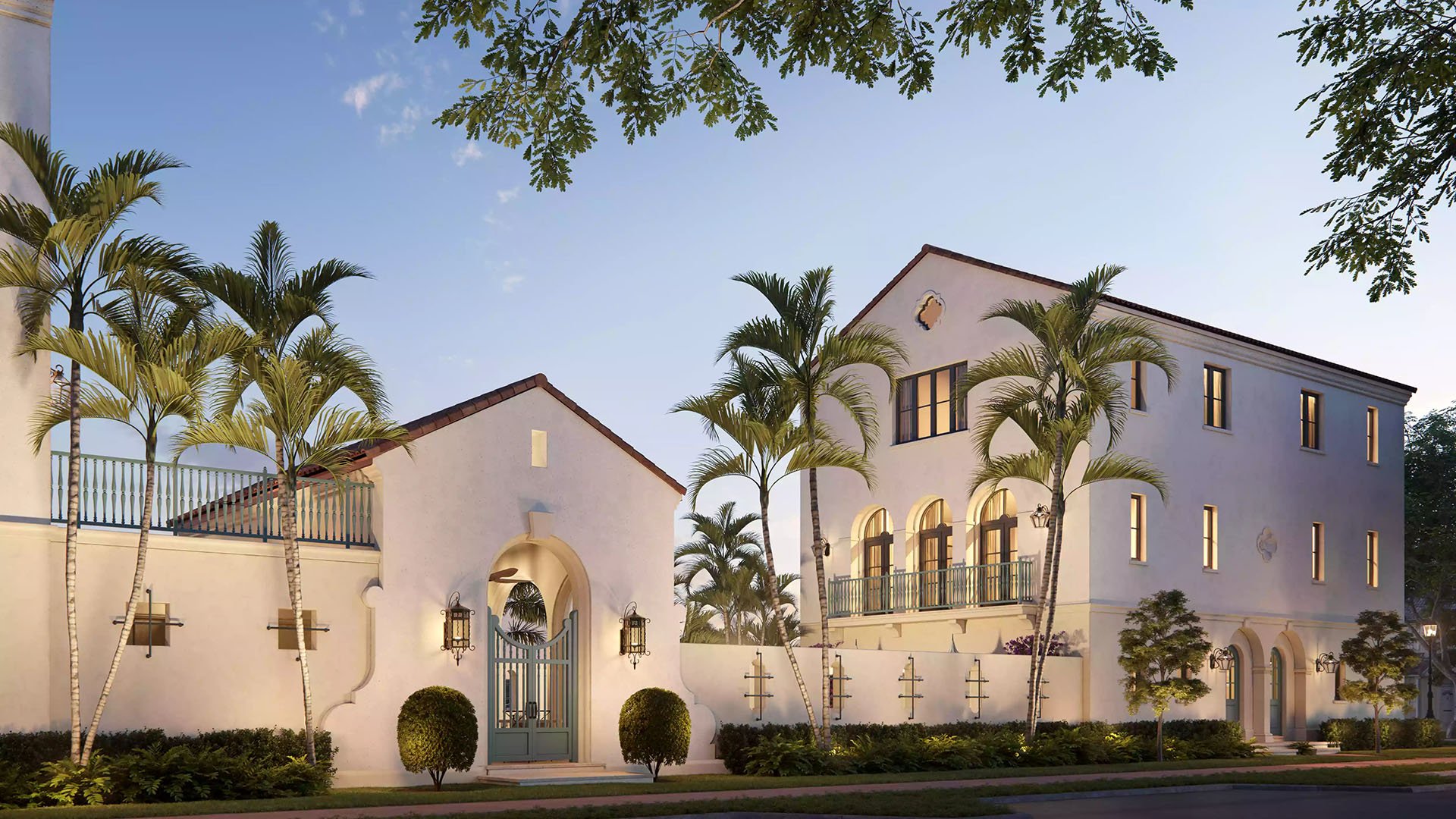
For many Los Angeles buyers, the move to Coral Gables is less a relocation than a recalibration. The priorities are familiar: privacy, design, schools, dining, cultural access, and a home that supports both family life and entertaining. What changes is the framework. A South Florida primary residence is not merely a beautiful address. It is a decision that should align daily living, documentation, professional planning, and the practical realities of how the property will be used.
Coral Gables appeals because it feels residential without feeling remote. Its appeal sits between the estate culture of single-family homes and the lock-and-leave elegance of boutique residences. For buyers comparing Coral Gables with Coconut Grove or Brickell, the question is not simply where to buy. It is where life will be centered with enough consistency, comfort, and clarity to support a primary residence position.
Primary residence planning should begin before the purchase contract, not after closing. The strongest approach is to think in terms of evidence and routine. Where will the family actually spend its time? Where will important mail arrive? Which physicians, clubs, schools, service providers, and household systems will become part of the new center of life? These are not decorative details. They help transform a property from an acquisition into a lived address.
Los Angeles buyers often arrive with layered lives: business interests, household staff, art storage, children on different academic calendars, and travel that moves across coasts. That complexity does not make a South Florida primary residence impossible, but it does make coordination essential. Tax counsel, estate counsel, insurance advisors, and the real estate team should be working from the same plan.
The buyer who treats the move as a single transaction may miss the larger architecture. A more disciplined buyer maps the first year of ownership: travel patterns, document updates, family logistics, vehicle use, household staffing, and calendar commitments. The goal is to create a coherent life in South Florida, not a file assembled after the fact.
Coral Gables buyers tend to be exacting. They want beauty, but also continuity. Mediterranean Revival cues, lush streetscapes, privacy walls, courtyards, and formal entries all shape the emotional experience of arriving home. At the same time, the property must function as a daily headquarters. A glamorous house that feels too ceremonial may not support the ordinary routines that make a primary residence credible.
This is where new and newly planned residences can be compelling. The Village at Coral Gables speaks to buyers who want a neighborhood-scaled environment rather than a tower lifestyle. Ponce Park Coral Gables may appeal to those who want a more urban connection within the Gables orbit. Cora Merrick Park places the conversation around convenience, design, and day-to-day ease.
The important distinction is not resale versus new construction alone. It is whether the property helps the household live in South Florida with enough regularity and comfort to make the residence choice natural.
A Los Angeles household used to a staffed estate may gravitate toward land, gardens, guest suites, and separation between public and private rooms. Another buyer may prefer a highly serviced residence that reduces maintenance and supports frequent travel without the emotional burden of a large property. Neither answer is inherently stronger. The better choice is the one that reflects how the buyer will actually live.
A villa or estate can be ideal for buyers relocating children, pets, art, and entertaining patterns. A condominium can suit those who want security, amenities, and simplicity while building a deeper South Florida base. Some buyers also compare the Gables with Coconut Grove, where projects such as Four Seasons Residences Coconut Grove may offer a softer waterfront-adjacent rhythm. Others keep a Brickell pied-à-terre in view, with St. Regis® Residences Brickell representing a more vertical, urban alternative.
The second-home mindset is different from a primary residence mindset. A second home can tolerate abstraction. A primary home must work on an ordinary Tuesday.
The most sophisticated buyers do not frame the move as an escape story. They frame it as a transition with clean edges. If Los Angeles remains important for business, family, or philanthropy, the planning should acknowledge that reality rather than pretend otherwise. A credible South Florida plan can coexist with continuing West Coast ties, but the facts should be organized with care.
Before selecting a closing date, buyers should ask their advisors how timing, documentation, household records, and ongoing California connections should be managed. The real estate decision should not be isolated from estate planning, entity ownership, insurance, and family office administration. The home may be the most visible symbol of the move, but it is only one part of the structure.
Before committing, define the intended use of the property in writing for your advisory team. Decide who will live there, when they will arrive, how long they expect to stay, and which services must be transferred or duplicated. Review whether the residence supports everyday privacy, entertaining, remote work, wellness, and guest patterns.
Then test the neighborhood at different hours. Coral Gables can feel serene, formal, convenient, or village-like depending on the precise location. A primary residence should feel convincing in daylight, at dinner, after school, during storm season, and after a long flight from Los Angeles.
Is primary residence status only about buying a home? No. The property matters, but the broader pattern of life, documents, advisors, and daily use should align.
Should Los Angeles buyers choose Coral Gables before speaking with advisors? It is better to involve tax, legal, estate, and insurance advisors early so the purchase supports the larger plan.
Is a condo suitable for a primary residence? Yes, if it genuinely supports daily living, privacy, family routines, storage, service needs, and long-term comfort.
Is an estate always better than a serviced residence? Not necessarily. The best property is the one that matches how the household will actually live in South Florida.
Can a buyer keep meaningful ties to Los Angeles? Many buyers do, but those ties should be reviewed carefully with professional advisors before and after closing.
When should documentation be updated? Buyers should ask their advisors to coordinate timing before closing so records do not lag behind the move.
Does Coral Gables fit families relocating from Los Angeles? It can, particularly for buyers who value residential character, privacy, and a polished neighborhood environment.
Should a buyer test the neighborhood before committing? Yes. Visit at different hours and consider how the area feels during ordinary routines, not only during showings.
What is the biggest mistake in primary residence planning? Treating the home as a trophy purchase rather than the center of a documented, lived South Florida routine.
What is the best way to shortlist comparable options for touring? Start with location fit, delivery status, and daily lifestyle priorities, then compare stacks and elevations to validate views and privacy.
If you'd like a private walkthrough and a curated shortlist, connect with MILLION.
If branded residences are on your mind — as a home or as an allocation — we would be glad to share what we are seeing, privately.
Begin a quiet conversation