Setai Residences Miami Beach sits at the intersection of luxury condominium ownership and hotel operations. For buyers, the central question is not whether the property feels flexible, but how its condo-hotel structure allocates control over use, rentals, renovations, and daily operations.
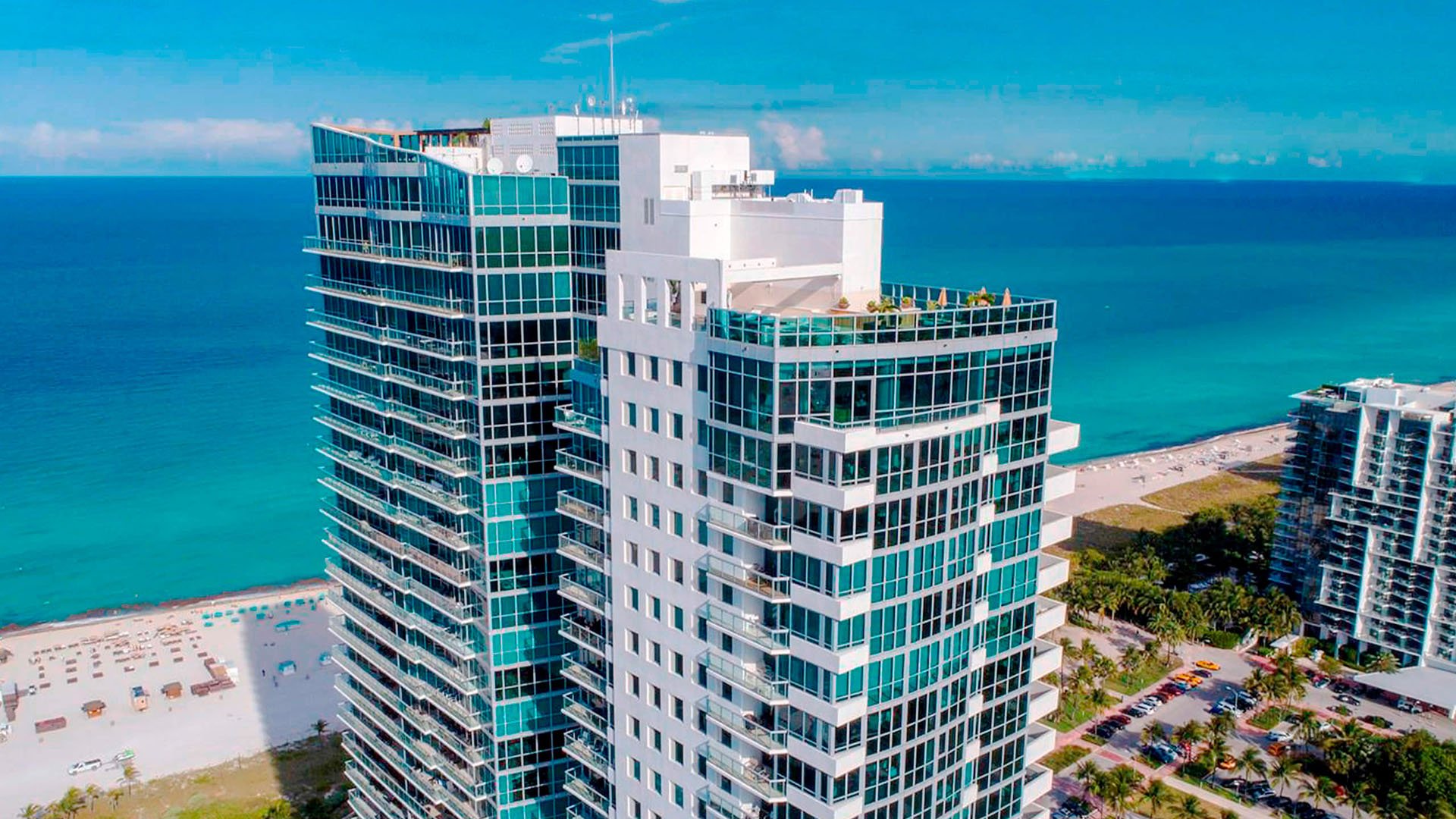
Setai Residences Miami Beach occupies a rare position in the Miami Beach luxury condominium market: it combines individually owned condominium residences with hotel operations in a single integrated setting. That combination is exactly what attracts sophisticated buyers-and exactly why the property requires more careful interpretation than a conventional standalone condominium.
For many high-net-worth purchasers, the surface question is simple: how flexible are the house rules? The sharper question is deeper: who has the authority to shape that flexibility, and through which documents, agreements, and operating systems? At Setai Residences Miami Beach, lifestyle discretion is not merely a matter of board temperament. It is an ownership-architecture issue.
This is where the condo-hotel framework becomes central. A buyer is not only evaluating finishes, service culture, views, or brand atmosphere. The buyer is evaluating a mixed-use operating environment in which residential ownership, hotel management, and commercial interests may overlap. That overlap can be elegant, but it is rarely simple.
A traditional luxury condominium usually gives owners a familiar framework: a condominium association, recorded governing documents, maintenance obligations, and rules that apply across the residential community. Setai’s model is best understood differently. It functions as a condo-hotel structure, meaning the property is not only a residential building but also a hospitality environment.
That distinction matters because hotel operations can influence how the property runs day to day. Service standards, guest movement, rental procedures, building access, maintenance expectations, and operational consistency may all sit inside a more complex governance matrix than buyers encounter in a purely residential tower.
For an owner who intends to use the residence as a private Miami Beach retreat, this can be an advantage. Hotel infrastructure may support a polished, highly serviced lifestyle. For an owner who intends to rent, renovate, customize, or treat the asset as an investment vehicle, the same structure demands careful review. Flexibility may exist, but it may be bounded by documents and operating agreements rather than informal preference.
Luxury buyers often ask whether a building is strict or relaxed. At Setai, that framing is too narrow. House rules are the visible expression of deeper legal and operational controls. The core issue is how authority is divided among residential owners, hotel interests, and commercial parcel holders.
That division can affect practical matters: when an owner may occupy the unit, how rentals are administered, what types of guests may be permitted, what work can be performed inside a residence, and how building systems are protected. Even if rules appear flexible in practice, the durable answer lives in the governing documents and related agreements.
This is why recorded condominium documents are essential to the diligence process. Buyers should review the declaration, bylaws, amendments, and rules, then look beyond them to any hotel management agreements that may influence owner use, rentals, and property operations. The point is not to assume restriction. The point is to avoid assuming autonomy.
Setai’s ownership model affects rental flexibility, including short-term rental considerations. That does not mean every buyer should reach the same conclusion. An owner planning occasional personal use will care about different issues than an owner whose underwriting depends on rental income. A family acquiring a second residence will evaluate the property differently from an investor seeking hospitality-aligned utilization.
The diligence question is not simply whether rentals are possible. It is how they are permitted, managed, limited, documented, and reconciled with hotel operations and city rules. City regulations are also relevant when assessing rental and usage flexibility at the property. A buyer should understand the building framework and the municipal environment together, not in isolation.
Personal use deserves equal attention. In a condo-hotel environment, the rhythm of occupancy may be shaped by more than a standard residential rulebook. Owners should clarify whether there are procedural requirements for use, whether any rental program participation affects availability, and how guest access or service protocols operate. These are not minor details. They shape the lived experience of ownership.
In many trophy condominiums, renovation analysis begins with design ambition: opening walls, upgrading finishes, reimagining kitchens, or tailoring the residence to a family’s lifestyle. At Setai Residences Miami Beach, the first question should be structural and procedural. Owner customization and renovation freedom are shaped by both the condominium and hotel framework.
That means a buyer should evaluate approval rights, work-hour limitations, insurance requirements, contractor access, service elevator rules, noise controls, and any standards tied to hotel operations. In a fully residential tower, those items are already important. In an integrated hospitality setting, they can be even more consequential.
A discreet, high-quality renovation may still be achievable, but the path must be understood before closing. Owners who value absolute design freedom should be particularly careful. The more integrated the property’s operating platform, the more likely it is that private improvements must coexist with building-wide standards.
Governance at Setai involves more complexity than a typical condominium because hotel, residential, and commercial interests may overlap. That is not inherently negative. The presence of multiple stakeholders can help preserve service quality and operational continuity. But it also means buyers should understand where control sits.
Who can amend rules? Who controls shared facilities? Which decisions belong to the residential association, and which are influenced by hotel management or commercial ownership? How are conflicts handled when residential preferences and hospitality operations point in different directions? These questions matter because they determine whether flexibility is owner-driven, management-driven, or constrained by the structure itself.
For resale buyers, governance review can be just as important as price-per-square-foot analysis. A residence may appear comparable to other Miami Beach luxury assets, but its ownership framework may produce a distinct set of rights and obligations. In the ultra-prime market, that distinction can influence both lifestyle fit and long-term liquidity.
A serious buyer should begin with the recorded condominium declaration and bylaws, then review current rules, amendments, rental policies, renovation procedures, and any relevant hotel management agreements. The objective is to see how the property actually allocates control.
The review should also include practical questions. How are rentals processed? What approvals are required before a renovation? Are there operational standards tied to the hotel component? What rights do commercial parcel holders have? How does the building coordinate residential privacy with guest-oriented hospitality?
None of these questions diminish the appeal of Setai Residences Miami Beach. They refine it. The property is not best evaluated through a generic condominium checklist. It should be evaluated as a luxury residential asset inside a condo-hotel ecosystem, where flexibility is real only to the extent that the documents, agreements, and city rules support it.
The ownership question behind house-rule flexibility is not abstract. It shapes short-term rentals, personal use, renovations, guest privileges, service access, and control over the living environment. For buyers who prize a serviced, hospitality-adjacent residence, the structure may be part of the allure. For buyers who expect the autonomy of a conventional luxury condominium, it may require recalibration.
The prudent conclusion is not that Setai is restrictive or permissive. The prudent conclusion is that Setai is structurally different. High-net-worth buyers should analyze that structure before assuming it offers the same autonomy as a conventional luxury condo. The most informed purchase decision will come from understanding the property as it is: a refined Miami Beach residence shaped by the layered logic of hotel, residential, and commercial control.
Is Setai Residences Miami Beach a conventional condominium? It is best understood as a condo-hotel structure, combining hotel operations with individually owned condominium residences.
Why does the condo-hotel model matter to owners? The structure can influence owner use, rental procedures, renovations, and the way building operations are governed.
Does Setai allow short-term rentals? Rental flexibility should be evaluated through the governing documents, hotel-related agreements, and applicable city regulations.
Are house rules mainly a board decision? Not entirely. At Setai, house-rule flexibility is tied to ownership architecture and overlapping residential, hotel, and commercial interests.
What documents should a buyer review first? Buyers should review the condominium declaration, bylaws, current rules, amendments, and any hotel management agreements affecting use.
Can owners renovate their residences freely? Renovation freedom is shaped by the condominium and hotel framework, including approval procedures and operational standards.
Why are commercial parcel holders relevant? They may be part of the broader control structure, which can affect shared facilities, operations, and governance dynamics.
Is this structure better for investors or lifestyle buyers? It can appeal to both, but investors should closely evaluate rental rules while lifestyle buyers should focus on personal-use control.
How should buyers compare Setai with other luxury condos? They should compare not only amenities and location, but also ownership rights, governance complexity, and operational flexibility.
What is the main risk for buyers? The main risk is assuming conventional condo autonomy without reviewing the documents that define actual owner flexibility.
For a discreet conversation and a curated building-by-building shortlist, connect with MILLION.
If branded residences are on your mind — as a home or as an allocation — we would be glad to share what we are seeing, privately.
Begin a quiet conversation