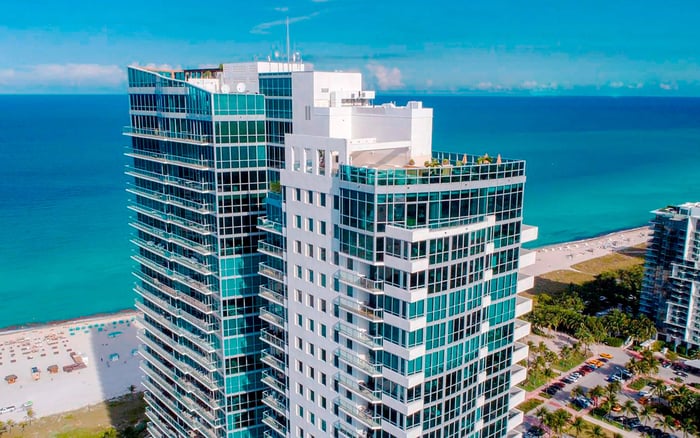
A collector-focused editorial guide to Setai Residences Miami Beach, framed around privacy, curation, service, cultural proximity, and a more deliberate approach to South Beach living.
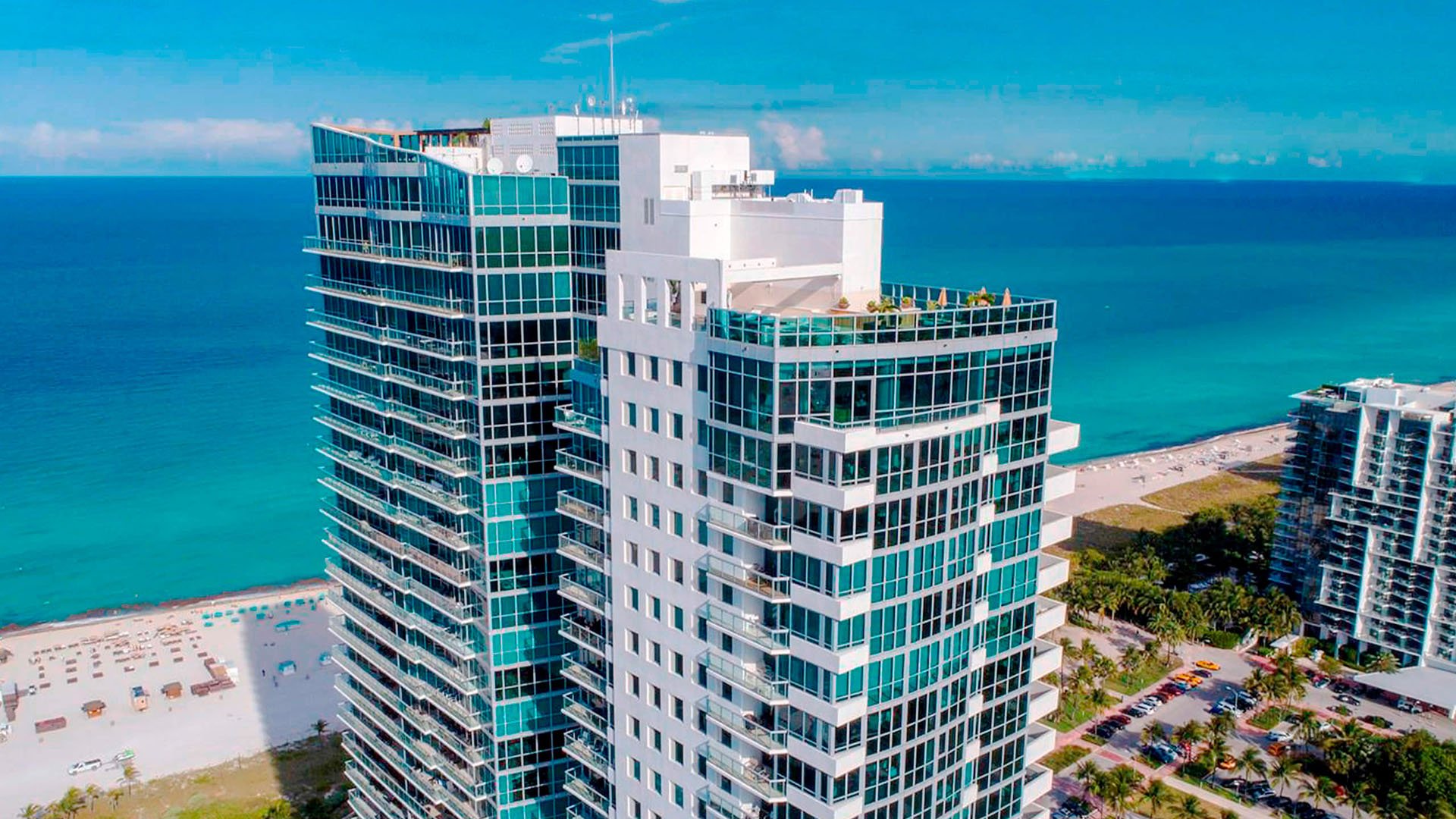
For a certain buyer, Miami Beach is no longer simply a winter escape or a place to measure status by proximity to the sand. It is a setting for taste, rhythm, privacy, and the quiet stewardship of objects that matter. Setai Residences Miami Beach belongs to that more deliberate category: a luxury oceanfront residential property for buyers who want a curated lifestyle, not a conventional beach residence.
The distinction matters. Collectors do not buy only square footage or views. They buy context. They consider how art meets morning light, where a design object can breathe, how a wine collection supports intimate evenings, and whether service allows daily life to feel composed rather than managed. Setai’s appeal is not built on spectacle alone. It rests on high-rise beachfront living paired with a boutique hospitality sensibility shaped by Asian-inspired design and service.
In a Miami Beach context, that is not a minor distinction. The most compelling residences increasingly understand the owner as a curator of life, not merely a consumer of amenities.
Oceanfront ownership in Miami Beach can be mistaken for a purely recreational decision. At Setai, the beach is part of a larger lifestyle architecture. The location offers direct exposure to Miami Beach’s coastal rhythm while keeping owners close to South Beach’s cultural and hospitality ecosystem. The residence can operate as both retreat and connector.
For collectors, this balance matters. A home that is too remote can become inert. A home that is too socially exposed can erode the privacy that gives collections, rituals, and relationships their meaning. Setai’s proposition sits between those extremes, allowing the owner to engage selectively and withdraw gracefully.
This is why buyers comparing Miami Beach residences often look beyond the broad category of luxury condominium and into the specific emotional register of each address. The Perigon Miami Beach may enter the conversation for buyers studying the northern stretch of Miami Beach, while Setai remains closely tied to the South Beach experience and its layered mix of ocean, culture, dining, and design consciousness.
Beach access is part of the appeal, but it is not the entire thesis. The stronger argument is that the beachfront setting becomes a daily instrument for wellness, focus, and decompression.
Collectors tend to evaluate residences through a more exacting lens. They notice sequence, thresholds, atmosphere, and how a home supports the choreography of private life. A residence that works for a collector must accommodate more than storage. It must create presence.
Setai’s relevance for collectors of art, design, wine, and other tangible assets lies in the combination of spatial quality, design atmosphere, service infrastructure, and neighborhood connectivity. These elements reinforce one another. A serene interior sensibility allows important pieces to be experienced without visual conflict. A service-oriented environment reduces friction. South Beach proximity keeps the owner close to the cultural energy that often feeds collecting itself.
The residence can also function as a stage for intimate entertaining. Not mass hospitality or performative excess, but controlled gatherings where conversation, objects, food, and setting support one another. For owners whose residential choices are tied to identity and asset strategy, that matters. The home becomes an expression of judgment.
Boutique hospitality is particularly relevant here. It suggests a scale of experience that feels personal, discreet, and attuned to rhythm. For buyers who move between cities, countries, and collections, the value is not only in arrival. It is in the confidence that the residence remains composed while life is in motion.
Setai’s South Beach position gives it an advantage for buyers who want cultural proximity without surrendering the possibility of retreat. The surrounding ecosystem includes the social, culinary, design, and hospitality currents that make Miami Beach more than a resort market. For a collector, that proximity can be practical. It supports dinners, studio visits, seasonal programming, and the informal encounters that often shape taste.
A buyer considering Setai may also study other Miami Beach addresses to understand how each frames lifestyle. Shore Club Private Collections Miami Beach speaks to another expression of private residential culture on the beach, while The Ritz-Carlton Residences® South Beach may appeal to those who prioritize a recognizable service language in the South Beach setting. The point is not that one address answers every need. It is that each address carries a different philosophy of living.
Setai’s philosophy is more meditative. It favors wellness, creativity, privacy, and selective social engagement over the feel of mass-market resort living. For a collector, that restraint may be the luxury.
For globally mobile buyers, Setai can operate as a Miami Beach node within a broader portfolio of residences and lifestyle assets. This is an increasingly sophisticated way to think about ownership. The question is not only whether a home is beautiful, but what role it plays.
A London, New York, São Paulo, Mexico City, or Gulf-based owner may use Miami Beach differently across the year. Sometimes the residence is a creative reset. Sometimes it is a family base. Sometimes it is a place for private dinners around a collection, or a quiet interval between travel and obligations. In that pattern, ease of living becomes central.
Second-home ownership at this level is rarely casual. The residence must hold identity, support privacy, and remain useful even when the owner is absent. Setai’s service-rich environment speaks to that need. It offers a hospitality-level residential experience where discretion and continuity are part of the value proposition.
For buyers who want Miami Beach but prefer a slightly different coastal rhythm, 57 Ocean Miami Beach may also become part of the comparison set. Setai, however, is most persuasive when the desired lifestyle is rooted in South Beach, design atmosphere, and the feeling of a curated private retreat.
The most useful question is not, “Is this a good beach home?” It is, “Does this address support the way I want to live with what I value?” For collectors, that may include art, design, wine, books, objects, archives, and the intangible collection of relationships and rituals.
Consider the residence as a setting for presentation. Does the atmosphere feel calm enough for important pieces? Does the service structure protect time rather than consume it? Does the neighborhood add cultural depth without demanding constant participation? Does the oceanfront setting improve wellness and focus? These are the questions that separate intentional ownership from acquisition.
Setai Residences Miami Beach is best understood as a design-conscious, service-rich beachfront home base in South Beach. Its appeal lies in the way it integrates retreat, access, privacy, and presentation. For the right buyer, it is not simply a place to stay. It is a place to edit life more carefully.
Is Setai Residences Miami Beach a good fit for collectors? Yes. Its appeal centers on spatial quality, design atmosphere, service infrastructure, privacy, and access to South Beach’s cultural ecosystem.
What makes Setai different from a conventional beach residence? Setai is framed around a curated lifestyle, with high-rise beachfront living and a boutique hospitality sensibility rather than a standard resort-style narrative.
Does Setai work as more than a vacation home? Yes. It can function as a curated base for intentional living in South Beach, particularly for owners who value privacy, presentation, and ease.
Why is the South Beach location important? It gives owners direct coastal exposure while keeping them near Miami Beach’s cultural, dining, design, and hospitality energy.
How should an art collector evaluate a residence here? Focus on atmosphere, light, privacy, service, and whether the residence can support the presentation and enjoyment of meaningful objects.
Is Setai appropriate for globally mobile buyers? Yes. It can serve as a Miami Beach node within a broader portfolio of residences, collections, and lifestyle assets.
What lifestyle does Setai emphasize? The lifestyle emphasizes wellness, creativity, privacy, selective social engagement, and a more composed form of beachfront living.
Is the property more private retreat or social address? It can be both, but its strongest appeal is as a private retreat with access to South Beach when the owner chooses to engage.
Can Setai support intimate entertaining? Yes. The residence is well framed as a setting for art, design objects, personal collections, and carefully hosted gatherings.
What buyer should consider Setai Residences Miami Beach? A buyer whose residential decisions reflect identity, taste, asset strategy, and a desire for service-rich oceanfront living should consider it.
When you're ready to tour or underwrite the options, connect with MILLION.
If branded residences are on your mind — as a home or as an allocation — we would be glad to share what we are seeing, privately.
Begin a quiet conversation