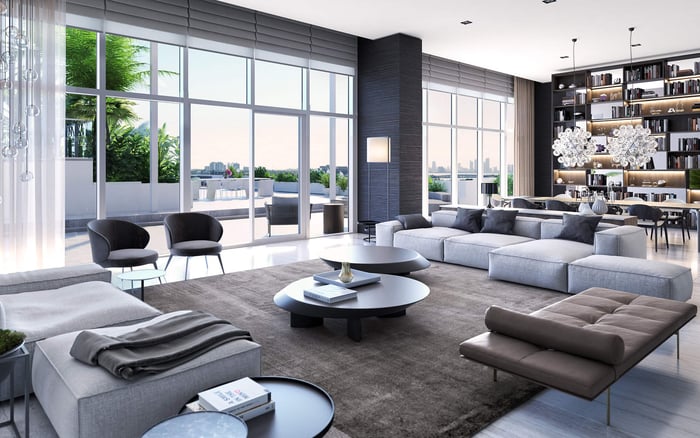
Buying an existing Setai interior to preserve requires more than an appreciation of its design. Review alteration approvals, document condition, distinguish municipal permits from building permissions, and confirm the services attached to the residence before committing.
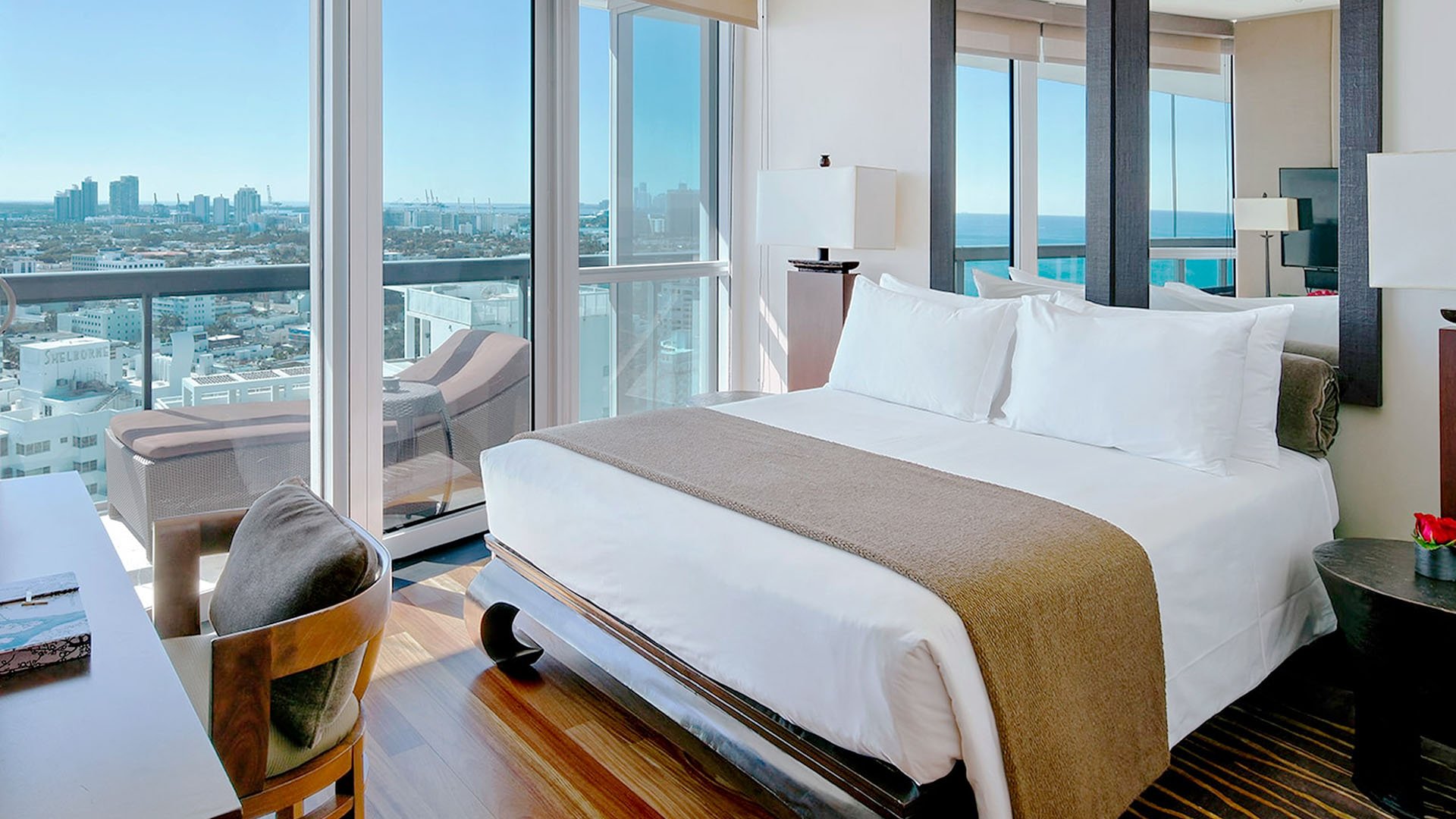
At Setai Residences Miami Beach, the appeal of an existing interior may be precisely that it needs no aesthetic reinvention. The residential tower rises 40 stories, with a Zen-influenced design vocabulary. For a buyer drawn to that restraint, replacing everything may defeat the purpose of the purchase.
Preservation, however, is a buying strategy-not a guarantee of simplicity. The task is to establish whether the finishes you admire can remain, whether the systems behind them are sound, and whether outstanding obligations could require intervention. An attractive room is not necessarily a documented, maintainable interior.
The most useful question is not simply what you would change. It is what might force you to change something you intended to keep.
Before negotiating for a furnished or finished residence, create a preservation brief. Identify the flooring, cabinetry, stone, lighting, wall treatments, fixtures, and furnishings that make the apartment compelling. Distinguish attached elements from movable pieces, then have your advisers establish what the purchase actually includes.
Photograph the interior carefully and record visible wear. Ask qualified inspectors and relevant trades to evaluate the retained elements and accessible systems. A beautiful surface is no substitute for an assessment of moisture, plumbing, electrical work, or equipment condition.
The brief should also define your tolerance for repair. Would a small replacement area be acceptable, or would a visible mismatch undermine the reason for buying? Ask about spare materials, product information, maintenance instructions, and previous repair records. Verify their availability rather than assuming they come with the residence.
The same discipline applies if your Miami Beach search includes Faena House Miami Beach. Compare the specific interior you would retain, rather than letting a building name stand in for unit-level condition.
Request the seller's alteration approvals, available plans, permit history, and documentation of completed work. Ask your attorney and technical advisers to compare those records with the apartment as it exists. Where the paperwork and physical conditions differ, establish what further review is needed before treating the interior as settled.
Then seek written clarification from management about outstanding repair or alteration obligations affecting the residence. Ask whether anything already identified would require opening walls, disturbing flooring, replacing fixtures, or changing an element central to your preservation plan.
Do not assume an existing installation has an unconditional right to remain. Equally, do not assume that acquiring an apartment automatically triggers a redesign. Let the relevant documents and written responses guide that assessment.
Keep the property's identities precise in transaction paperwork. The hotel's address is 2001 Collins Avenue, Miami Beach, Florida 33139. The condominium association's address is 101 20th Street, Miami Beach, Florida 33139. Have counsel confirm the residence's legal description and the documents applicable to it.
Preserving an interior does not necessarily mean avoiding regulated work. Even a limited repair can raise permitting questions, especially where flooring, wet areas, or building systems are involved.
Condominium-interior alteration requirements in Miami Beach call for digitally signed and sealed construction documents, including architectural plans. Depending on scope, electrical, mechanical, plumbing, fire-protection, and life-safety documentation may also be required. Have the proposed work assessed before assuming it is merely cosmetic.
Flooring alterations may require a separate permit and soundproofing documentation. Applicable wet-area work may require waterproofing specifications. If retaining a bathroom's appearance depends on replacing concealed components, the visible design alone does not define the scope.
Work affecting life-safety systems in an occupied building may require a phasing plan approved by the Fire Marshal. Applicable demolition or renovation disturbing more than 160 square feet of suspected friable or specified nonfriable asbestos-containing material can also trigger asbestos-survey requirements. That threshold is not evidence that such material exists in a particular residence.
Municipal permitting is separate from condominium or hotel-operator permission. Obtain the applicable building requirements directly, including approval procedures, work restrictions, deposits, and contractor documentation. Do not assume a city permit resolves those questions.
For a preservation buyer, readiness should describe more than presentation. It should mean the apartment's intended use is compatible with its documented condition and any identified obligations.
Build a budget around three categories: finishes you will retain, repairs needed to support them, and discretionary changes you can defer. Ask contractors to distinguish localized repair from broader replacement, paying particular attention to the risk of disturbing adjacent finishes.
If Five Park Miami Beach is also under consideration, apply the same test to the residence: what exactly would you keep, and what must happen before you can comfortably use it? This keeps the comparison focused on the apartment rather than an assumed renovation allowance.
A contingency remains prudent even when the design budget is modest. Preserving a room can require careful intervention, not simply less work.
The Setai hotel's offerings include three infinity pools, private beach service, Valmont Spa, 24-hour fitness, bicycles, weekend sunrise yoga, and in-room dining. Those amenities help explain the setting's appeal, but they do not, by themselves, establish a purchaser's rights.
Obtain written confirmation of the services attached to the residence, applicable fees, access conditions, and restrictions. Clarify which services are included and which are separately charged. Keep this review distinct from the physical inspection: an intact interior and the desired service experience are separate parts of the acquisition.
Historical transactions provide context, not a valuation of your chosen interior. Unit 2006 sold for $3.275 million in July 2025, Unit 2208 for $4.275 million in May 2025, and Unit 3006 for $4.075 million in April 2025. Those figures alone do not establish the value of another residence or a premium for retained finishes.
Evaluate the asking price alongside condition, included items, documented work, and the cost of necessary intervention. The strongest preservation purchase is one in which the design you value aligns with what can responsibly remain.
For a discreet perspective on selecting a residence worth preserving, connect with MILLION.
If branded residences are on your mind — as a home or as an allocation — we would be glad to share what we are seeing, privately.
Begin a quiet conversationThat is a strategy to investigate, not an unconditional right to assume. Review the residence's condition, alteration records, governing documents, and any outstanding obligations with your advisers.
Request alteration approvals, available plans, permit history, repair records, and details of included furnishings and fixtures. Document the condition of the finishes you intend to retain.
No. Municipal permitting is separate from condominium or hotel-operator permission, and each applicable requirement should be confirmed.
Flooring alterations may require a separate flooring permit and soundproofing documentation. Have the specific repair or replacement scope assessed before proceeding.
Yes. Applicable wet-area work may require waterproofing specifications even when the intention is to retain the bathroom's appearance.
The condominium-interior alteration checklist calls for digitally signed and sealed construction documents, including architectural plans. Additional discipline-specific documentation depends on the scope.
No. The checklist identifies survey requirements for applicable work disturbing more than 160 square feet of specified suspected material; it does not establish its presence in a residence.
Do not assume so from hotel advertising or an individual listing. Confirm the purchaser's actual access rights, fees, conditions, and restrictions in writing.
The hotel publishes 2001 Collins Avenue, while the condominium association is listed at 101 20th Street. Have counsel confirm the residence's legal description and applicable transaction documents.
No. Those transactions provide historical context, but they do not independently establish another residence's value or a premium for its finishes.