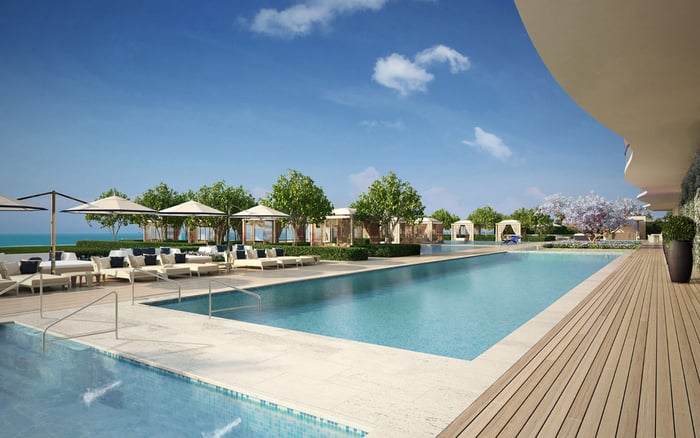
For Washington, D.C. buyers, choosing between a Surfside primary residence and second home begins with intended occupancy, then extends to liquidity, carrying costs, building compliance and the right property category.
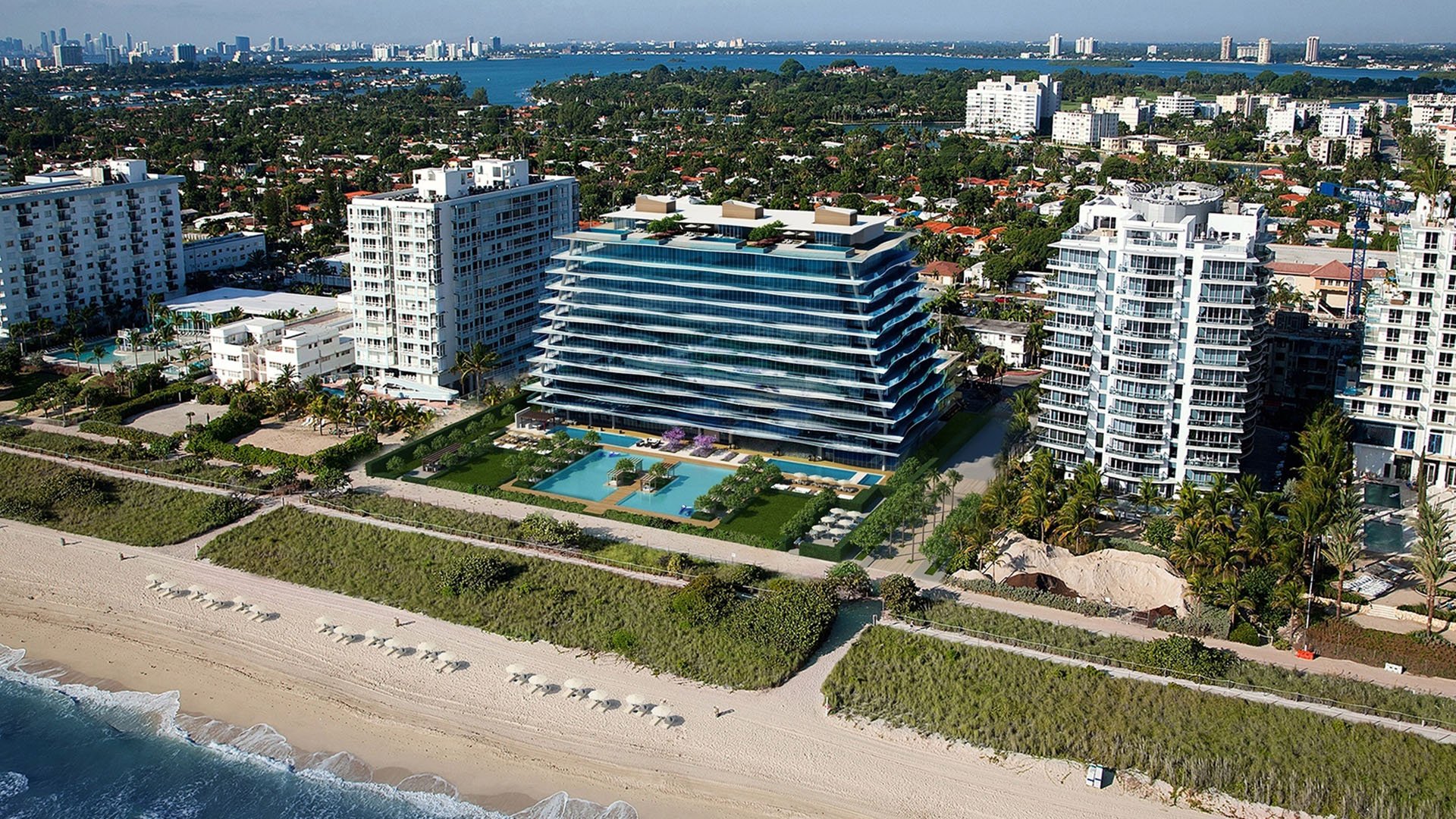
Surfside occupies a distinctive position on Miami-Dade's northern barrier island, between Bal Harbour and North Beach along Collins Avenue. It combines oceanfront living and proximity to Bal Harbour Shops with a quieter, lower-rise character than denser Miami luxury districts. For Washington, D.C. buyers, that combination can support either a seasonal retreat or a genuine residential base.
The correct designation is not simply a matter of preference. Intended occupancy should inform financing, insurance, association review, liquidity planning and the level of service required while an owner is away. It should also determine whether the buyer values a highly managed condominium, a legacy oceanfront building or the autonomy of a single-family home.
A primary residence demands scrutiny beyond arrival-day appeal. Full-time owners should model recurring association charges, insurance exposure, reserve funding and potential assessments over a long holding period. Floor plan, storage, building operations and day-to-day reliability become central rather than secondary considerations.
Second-home buyers often prioritize privacy, immediate usability and lock-and-leave management. Surfside's concentration of amenity-rich condominiums suits that pattern, but prolonged absences heighten the importance of clear association communication around construction, insurance changes and assessments. A residence that is easy to close for a season should still be evaluated as a long-term capital commitment.
Primary-residence and second-home financing can involve different occupancy representations and underwriting standards. Buyers should describe their intended use accurately and confirm building eligibility with their lender before incorporating those assumptions into an offer. Florida domicile and homestead questions require individualized legal and tax advice; purchasing in Surfside does not, by itself, settle either issue.
Surfside is not a uniform condominium market. Legacy oceanfront residences, newer branded residences and single-family homes should be evaluated as distinct categories, with comparable sales selected accordingly. Legacy oceanfront condominiums broadly range from approximately $1.5 million to $3 million, while newer branded residences span roughly $3 million to $10 million, excluding trophy penthouses. Building, view and condition can produce substantial variation.
For a highly serviced second home, The Surf Club Four Seasons Surfside illustrates the branded end of the local spectrum. Fendi Château Residences Surfside and Arte Surfside offer further reference points for buyers comparing boutique scale with brand-led positioning.
A primary-residence buyer may place greater weight on residential rhythm and durable carrying costs. In that context, Ocean House Surfside can be considered alongside other local options, always with building-specific records and unit-specific comparables in hand.
Surfside pricing statistics vary markedly across dates, property types and samples. Condo figures placed the median sale price near $1.4 million and the average near $1,850 per square foot. Across Surfside and Bal Harbour more broadly, prices stood at approximately $1,200 to $1,400 per square foot, with entry pricing above $1 million and luxury inventory beginning around $3 million.
In February 2026, the average closed-home price was $2.6 million, or $1,150 per square foot, while active listings averaged $5.4 million and $1,331 per square foot. Closed transactions averaged 9 percent below asking and 155 days on market, indicating negotiating room in at least some segments. By July, average listings stood near $2.8 million, or $910 per square foot, with the highest offerings reaching $55 million.
These figures provide context, not interchangeable valuation shortcuts. A Q2 luxury-focused sample produced an average Surfside sale price of $7,140,500, demonstrating how strongly selection can influence an average. The disciplined approach is to compare like with like, then adjust for view, building status, condition and service model.
Condominium diligence should begin early. Request the latest Milestone Inspection, Structural Integrity Reserve Study, reserve-funding schedule, association financials, insurance history and assessment history. Review the documents as an integrated picture rather than treating any single certificate or study as sufficient.
Local inventory falls into three broad groups: fully compliant buildings, buildings carrying current assessments and buildings that are not yet compliant. Fully compliant properties may attract the broadest pool of cash and financed buyers. Unresolved inspection, reserve or compliance matters can narrow conventional financing options and increase reliance on cash or non-QM lending.
Liquidity therefore matters even for buyers who prefer leverage. In July 2026, nearly 80 percent of purchasers bought without financing, and certain building conditions can make that cash advantage more consequential. Before entering a contract, align the lender, insurance review, legal review and building-document analysis with the intended occupancy.
Choose a primary residence when Surfside will serve as the center of daily life and the property succeeds under a full-year carrying-cost analysis. Choose a second home when seasonal utility, service and ease of absence take precedence, while maintaining sufficient liquidity for assessments and changing insurance costs.
In either case, begin with use rather than architecture. Establish the annual occupancy pattern, financing approach, service expectations and reserve tolerance. Then compare only the property category capable of meeting those requirements. This sequence keeps lifestyle ambitions aligned with the less visible obligations of coastal ownership.
Can a Washington, D.C. buyer call a Surfside property a primary residence? The designation depends on actual intended occupancy and applicable lender, legal and tax standards-not simply ownership.
Does buying in Surfside automatically establish Florida domicile? No. Domicile and homestead eligibility require individualized legal and tax analysis.
Is Surfside suitable for a lock-and-leave second home? Yes. Its amenity-rich condominiums can suit seasonal use, subject to association rules and building condition.
What documents should a condo buyer request? Request inspection and reserve studies, association financials, reserve schedules, insurance history and assessment history.
Why does building compliance matter? Unresolved compliance issues can restrict conventional financing and reduce the pool of future buyers.
Should branded and legacy condos use the same comparables? No. Compare legacy condos, branded residences and single-family homes within their respective product categories.
Are Surfside asking prices firm? Not always. February 2026 closings averaged 9 percent below asking, though outcomes vary by property.
Is cash necessary to buy in Surfside? Not universally, but strong liquidity is valuable because cash purchases are common and some buildings face financing limits.
What matters most for a full-time owner? Long-term carrying costs, building condition, reserve funding and dependable daily operations deserve priority.
What matters most for a seasonal owner? Management, communication, association restrictions and preparedness for assessments during absences are essential.
For a discreet conversation and a curated building-by-building shortlist, connect with MILLION.
If branded residences are on your mind — as a home or as an allocation — we would be glad to share what we are seeing, privately.
Begin a quiet conversation