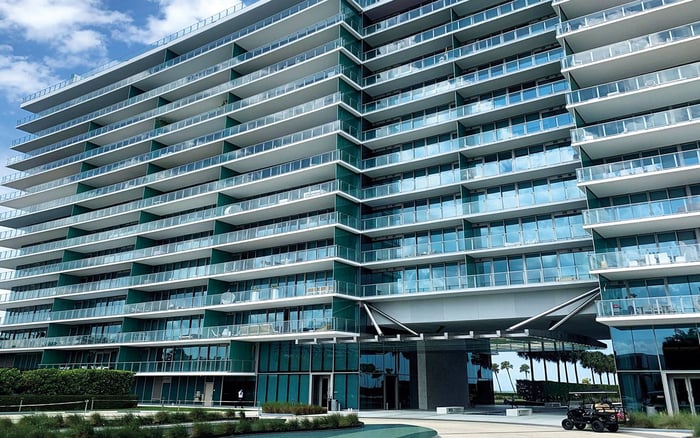
A discreet due-diligence framework for evaluating seawalls, storm exposure, insurance, reserves, access, and long-term ownership obligations around luxury waterfront property.
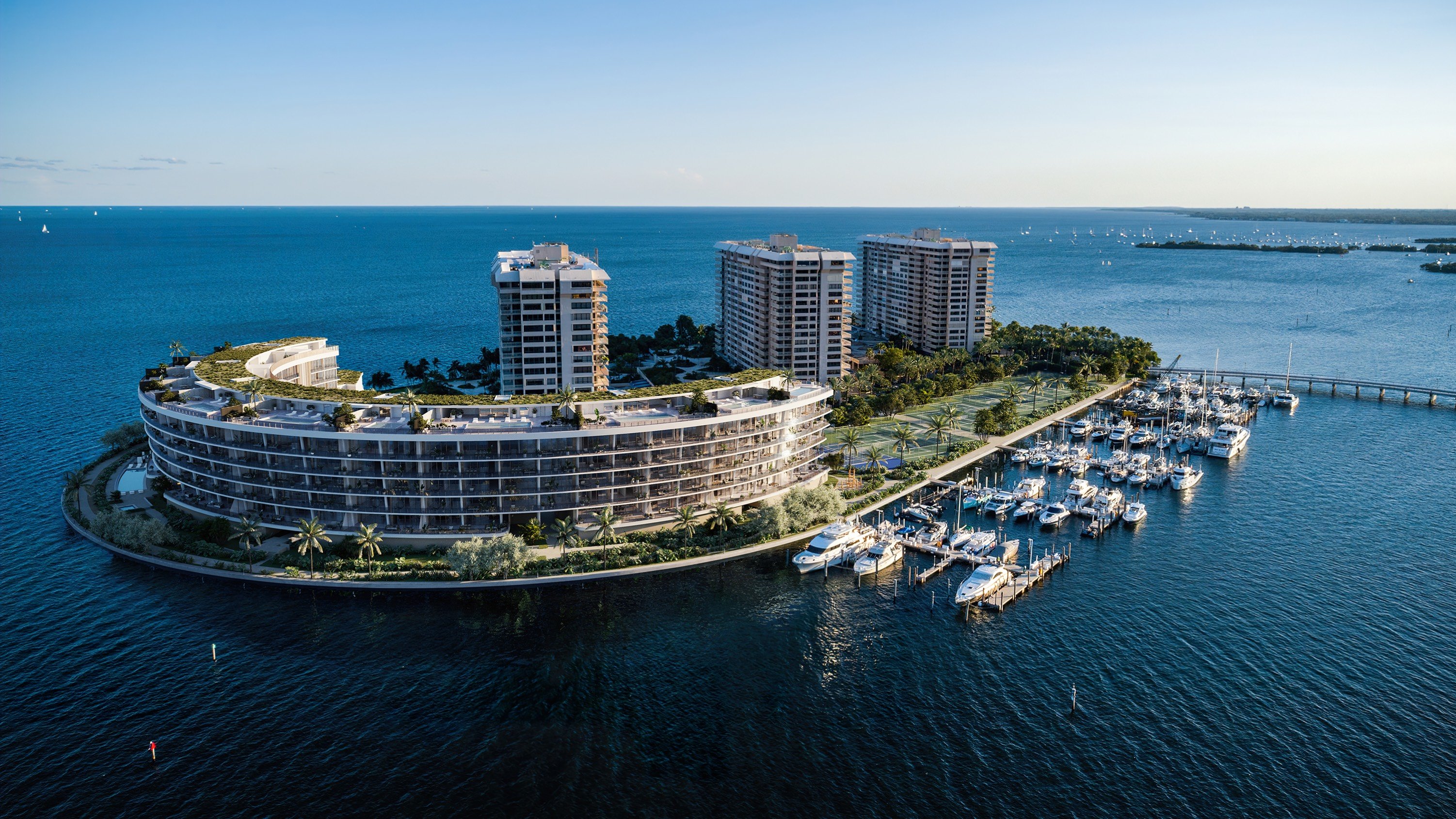
A waterfront residence can be instantly persuasive. Light moves across the water, the horizon opens, and the setting creates a sense of privacy that is difficult to reproduce inland. Near Vita at Grove Isle, however, a discerning buyer should look beyond the emotional power of arrival.
The essential question is not simply whether a property faces the water. It is how the building, shoreline, ownership structure, and operating plan work together when conditions are less serene. The seawall, drainage network, emergency protocols, insurance program, and reserve strategy form an interconnected system. Weakness in one area can affect both the ownership experience and its cost.
This Buyer's Guides perspective is not a substitute for engineering, legal, insurance, or financial advice. It is a framework for asking sharper questions before a Waterview becomes the deciding factor.
Treat the seawall as a capital asset. Ask who owns it, who maintains it, which entity can authorize work, and how expenses would be allocated. The answers may vary with property boundaries, governing documents, easements, and agreements involving neighboring land or common areas.
Request all available plans, inspection records, maintenance history, permits, warranties, and correspondence related to shoreline work. A qualified marine or structural professional can help interpret visible cracking, displacement, corrosion, drainage outlets, tiebacks, caps, and transitions between adjoining seawall segments. A polished surface alone does not establish condition.
Also ask whether the wall has been evaluated as part of the broader site system. Water pressure behind the wall, soil movement, drainage performance, adjacent construction, and vessel activity may all matter. The objective is not to predict every future event, but to understand the condition, assign responsibility, and clarify the response process if work becomes necessary.
Storm readiness is often treated as an emergency topic, but it also reveals the quality of routine management. Review how the property prepares common areas, secures equipment, communicates with residents, manages staff access, and restores operations after an event. Ask who makes decisions, how residents receive notices, and which procedures govern reentry.
For a Waterfront property, access warrants particular attention. Consider the route from the mainland, parking and garage protocols, elevator operation, backup-power priorities, and the handling of deliveries or contractors during recovery. If boating is part of the lifestyle, determine whether a Marina or dock component has a separate plan, insurance arrangement, or ownership structure.
Apply the same lens when comparing other local opportunities, including Park Grove Coconut Grove and Four Seasons Residences Coconut Grove. The point is not to assume that properties share the same exposure, but to compare the quality and clarity of the answers each provides.
Luxury buyers often focus on impact glazing, terrace doors, interior finishes, mechanical systems, and smart-home controls. Those details matter, but they exist within a larger structure. Establish where the owner's obligations end and the association's responsibilities begin.
Review the governing documents with counsel, paying close attention to windows and doors, terraces, waterproofing, exterior penetrations, air-conditioning equipment, storage, parking, and personal property. Ask how damage crossing those boundaries is handled and whether an owner alteration changes maintenance or insurance responsibility.
Insurance warrants a separate conversation with a qualified adviser. Look beyond the premium to examine deductibles, exclusions, loss-assessment considerations, coverage limits, valuation assumptions, and the distinction between the building policy and an owner's policy. Confirm how the proposed coverage would treat temporary relocation, interior improvements, furnishings, and valuable collections.
Even the most elegant common spaces depend on disciplined budgeting. Review available financial statements, budgets, reserve information, assessments, insurance costs, contracts, and major capital projects. Ask whether shoreline infrastructure appears as a specific line item or within a broader capital plan. If projected work is under discussion, seek clarity on scope, approvals, funding, and contingencies.
A low current fee is not necessarily preferable if it leaves substantial obligations unfunded. Likewise, a robust reserve balance has little meaning without an understanding of what it is intended to cover. Look for alignment among the property's physical needs, governing authority, insurance structure, and financial resources.
An island or bayfront setting can present a different ownership equation from an oceanfront or canal-oriented property. Comparing it with Oceana Key Biscayne may help refine questions about access, shoreline context, and common-property obligations without presuming that one model applies to another.
Before committing, assemble the appropriate team. Real estate counsel can interpret documents and title matters. An inspector can assess the residence. Structural, marine, mechanical, or electrical specialists may be appropriate when the property or available records raise technical questions. An insurance adviser can evaluate coverage, while a financial adviser can place potential assessments and carrying costs within the broader acquisition plan.
Organize questions around four themes: physical condition, legal responsibility, financial capacity, and operational readiness. Request written answers where practical, and distinguish among completed work, approved work, contemplated work, and informal discussion. Marketing language should never replace primary documents or professional review.
In Coconut Grove, the water is central to the appeal. A sophisticated purchase decision preserves that romance while testing the infrastructure beneath it.
What is the first seawall question a buyer should ask? Identify who owns, controls, maintains, and pays for the seawall before evaluating its apparent condition.
Is a visual seawall inspection enough? No. A qualified professional may need plans, records, site access, and appropriate testing to form a useful opinion.
Which seawall documents should be requested? Request available inspections, plans, permits, maintenance records, warranties, proposals, contracts, and relevant correspondence.
Why do adjacent seawall sections matter? Shoreline systems can cross property lines or connect to neighboring segments, making boundaries and maintenance agreements essential to review.
What should buyers ask about storm access? Ask about evacuation, reentry, bridge or road access, garage procedures, elevator service, staffing, and resident communications.
How should backup power be evaluated? Confirm which systems receive power, expected operating limits, fuel arrangements, testing routines, and resident priorities.
Does the building policy cover the residence interior? Coverage boundaries vary. Review the association policy and proposed owner policy with an insurance professional.
Why review reserves in a luxury building? Reserves can indicate how planned capital needs may be funded, but they should be read alongside budgets and projected work.
Should a buyer compare different waterfront settings? Yes. Island, bayfront, canal, and oceanfront properties can involve different questions about access, shorelines, operations, and insurance.
Who should join the due-diligence team? Consider real estate counsel, inspectors, relevant engineers, insurance advisers, and financial professionals suited to the property.
For a confidential assessment and a building-by-building shortlist, connect with MILLION.
If branded residences are on your mind — as a home or as an allocation — we would be glad to share what we are seeing, privately.
Begin a quiet conversation