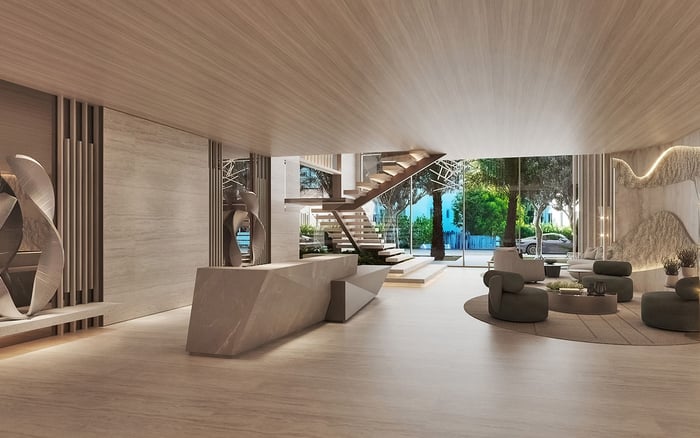
A private arrival deserves more than an amenity description. For Key Biscayne buyers, meaningful due diligence connects unit-specific elevator permissions, demonstrated visitor procedures, and documented service-entry rules.
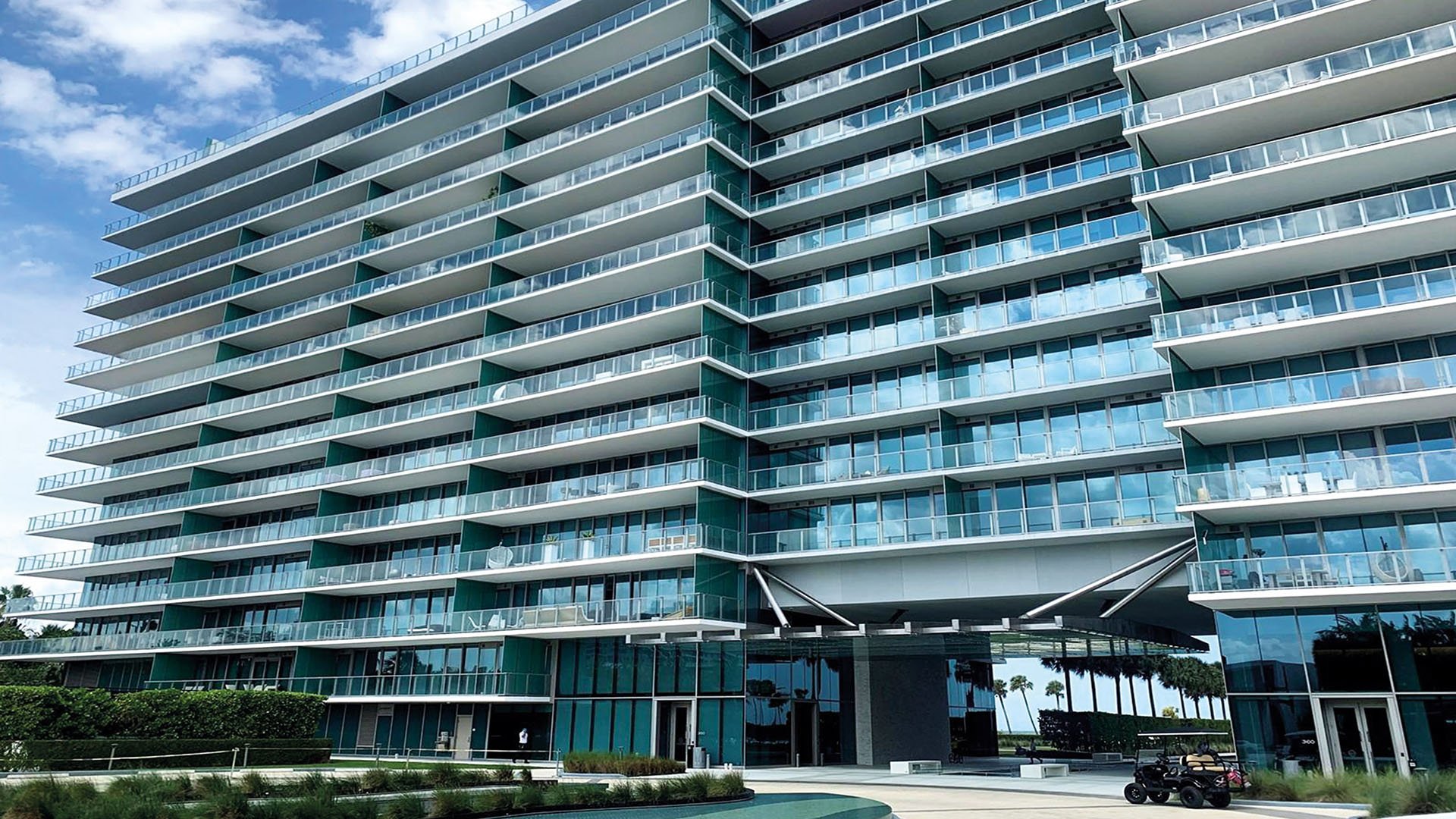
Waterfront living in Key Biscayne draws the eye to the horizon. Yet a residence’s privacy depends on something less photogenic: who can reach its threshold, under whose authority, and through which entrance. A beautifully finished elevator foyer is an architectural benefit. Whether it provides the control a buyer expects is a separate question.
The essential distinction is between an advertised feature and a demonstrated operating procedure. Private elevators, attended lobbies, and separate service lifts deserve consideration, but none substitutes for unit-specific confirmation. The objective is not to find the longest amenity list. It is to understand the complete arrival sequence for owners, guests, household staff, and vendors.
For a purchase at this level, privacy should be clear in three forms: the physical route, the access rules, and the documents assigning responsibility. When those align, the arrival experience is easier to assess with confidence.
Do not treat “private elevator,” “secure elevator,” and “private foyer” as interchangeable. The terminology alone does not establish exclusive use of an elevator car, restricted access to a particular floor, or sole control over the space outside the residence. Ask management to explain precisely what each term means for the unit under consideration.
At Ocean Club Key Biscayne, advertised features include private elevator access and entry foyers in most residences-not every residence. They also include two controlled-access security entry points, dedicated security staff at each building, and 24/7 valet and security services. These advertised layers make the exact building and residence central to the inquiry.
At 785 Crandon Boulevard, #205/305, the advertised arrangement is a private elevator opening directly into the residence’s first floor. That describes a specific arrival, not the permissions governing it. Similarly, an advertised private elevator and gated private garage at 201 Crandon Boulevard, #175, at Key Colony should prompt a walkthrough of both routes. Neither description establishes current availability or operating conditions.
At Oceana Key Biscayne, advertised features include 24-hour gated security, a private unit elevator and lobby, and a service elevator. Treat that combination as a starting point for questions about access, not a complete explanation of how privacy is maintained.
Request written confirmation of which credentials reach the residence, which floors each credential permits, and whether owner, guest, employee, and vendor permissions differ. Ask who can issue access, authorize staff overrides, and deactivate a lost credential. Establish whether access events are logged and what review procedures apply, without assuming logs exist or are available to residents.
Then arrange an authorized demonstration with management. Have the representative explain the normal owner arrival and the approved alternative when a credential is unavailable. The demonstration should confirm the written procedure, not attempt to bypass safeguards.
For buyers also considering Vita at Grove Isle in Coconut Grove, bring the same questions to the comparison. This is a transferable diligence standard, not a claim that different properties share access systems or operating policies.
A staffed entrance and authenticated visitor access answer different questions. Staffing establishes a service presence; authentication establishes a visitor’s identity and permission to proceed.
Ask management to walk through an unregistered guest’s arrival, by appointment and with authorization. Identify where the guest stops, what identification is requested, how the resident is contacted, and what happens if the resident does not respond. Follow the sequence through lobby admission, elevator authorization, and arrival at the residence.
Request the rules for temporary access, including expiration and any limits on repeat visits. Clarify whether gate approval also authorizes elevator access or requires a separate decision. For recurring visitors, ask how permissions are reviewed and withdrawn.
At Key Colony, advertised features include card and phone entry, secured parking, guards, lobby security, patrols, and cameras. Those features warrant specific questions about how each stage connects. A collection of security amenities does not, by itself, explain the guest-approval sequence.
A separate service elevator is meaningful to a buyer only when its route and usage rules are understood. Inspect the loading area, package room, staff entrance, service lift, and the point at which deliveries or personnel reach the residence. Ask management to identify where service and guest routes intersect.
At Grand Bay Residences, advertised features include private entry foyers, key-operated elevators, separate service elevators, and 24-hour security and concierge services. Verify which vendors must use the service route, the applicable hours, and who may authorize exceptions. Ask how deliveries are handled when the service elevator is unavailable.
At Ritz-Carlton Key Biscayne, advertised features also include private key-operated elevators leading to private entry foyers, separate service elevators, and a 24-hour attended guard gate and lobby guard. Before applying those amenities to a purchase, establish exactly which building and residences the description covers.
A buyer comparing a Miami Beach option such as The Perigon Miami Beach can use the same route-by-route review. Focus the comparison on demonstrated arrangements at each property, not assumptions drawn from a name or presentation.
The walkthrough explains the experience; the documents should clarify rights and obligations. Request the condominium documents, current access rules, elevator specifications, and maintenance records relevant to the residence. Have the appropriate advisers reconcile the advertised arrangement with the written provisions.
Clarify the elevator’s legal designation and responsibility for repairs and upgrades. Do not infer ownership or financial responsibility from the word “private.” Ask who approves work, who pays for it, and which documents establish that allocation.
Review maintenance records alongside questions about service interruptions and alternative access. A buyer should understand both the preferred arrival and management’s procedure when equipment is unavailable. If a verbal explanation and a document appear inconsistent, request written clarification before treating the issue as resolved.
Before committing, assemble a concise record of the residence’s access permissions, visitor-approval procedure, service route, and repair responsibilities. Distinguish what was advertised, what management demonstrated, and what the documents support. Any unresolved point should remain an explicit diligence question, not become an assumption.
The most persuasive private arrival is not necessarily the most theatrical. It is the one whose boundaries the buyer can understand: who may enter, how permission is granted, where service activity belongs, and who maintains the system. The view can then take its proper place-as a pleasure rather than a distraction.
For a discreet perspective on your next South Florida residence, connect with MILLION.
If branded residences are on your mind — as a home or as an allocation — we would be glad to share what we are seeing, privately.
Begin a quiet conversationNo. Confirm whether the description refers to the car, floor access, or arrival foyer, and obtain the exact residence’s credential and override rules.
Ocean Club advertises private elevator access and entry foyers in most residences, not all. Verify the arrangement for the specific unit.
Advertised features include 24-hour gated security, a private unit elevator and lobby, and a service elevator. Confirm their current operation with management.
Request credential permissions, floor restrictions, staff override rules, access-log procedures, and lost-credential deactivation procedures for the exact residence.
Arrange an authorized walkthrough of an unregistered guest’s route, covering identification, resident approval, elevator authorization, and temporary-access expiration.
Not by itself. Inspect the complete service route and confirm mandatory usage, permitted exceptions, and procedures during elevator interruptions.
Advertised features include private entry foyers, key-operated elevators, and separate service elevators, alongside 24-hour security and concierge services.
First establish which building and residences the advertised description covers. Then verify the elevator, foyer, service-entry, and staffing arrangements for the intended purchase.
Do not infer responsibility from the amenity’s name. Review the condominium documents to establish the elevator’s legal designation and the allocation of repair and upgrade costs.
Request condominium documents, current access rules, elevator specifications, and relevant maintenance records. Seek written clarification wherever those materials differ from the advertised or demonstrated arrangement.