A practical due-diligence framework for evaluating coastal exposure, building systems, insurance, reserves and operations at an oceanfront Surfside residence.
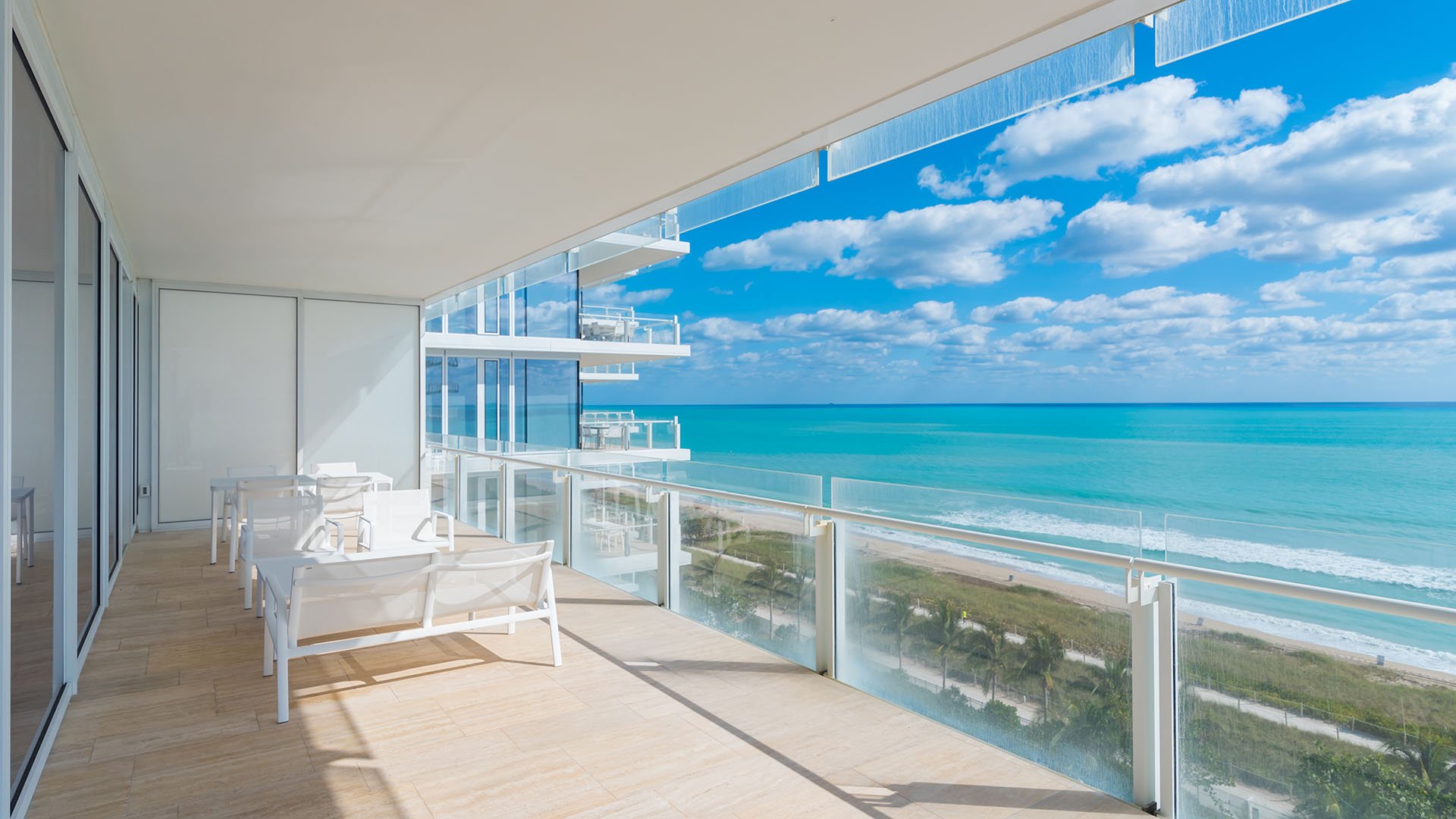
At The Surf Club Four Seasons Surfside, the Atlantic is the defining presence. The property occupies Surfside's ocean-facing side along Collins Avenue-not Biscayne Bay or Indian Creek. That distinction should shape every resilience conversation.
A conventional seawall question is often more relevant to a bayfront parcel protected by a vertical wall or bulkhead. An oceanfront property demands a broader inquiry into its beach and coastal setting, building envelope, site drainage, critical equipment, emergency procedures and insurance structure. The goal is not to reduce a complex asset to one defensive feature, but to understand how multiple systems perform together.
The Surf Club combines Four Seasons hotel accommodations and private residences on the site of the historic club, which opened in 1930. Contemporary residential towers stand alongside the historic clubhouse. This layered character is central to its appeal, but it also offers buyers a useful organizing principle: evaluate the private home, shared building systems, hospitality operation and coastal site as related yet distinct components.
Waterfront is not a single technical category. An Atlantic-facing condominium and a residence beside a protected bay can offer equally compelling water views while presenting different physical conditions. A beachfront review should focus on the property's relationship to the shore and the systems serving the building. A bayfront review more commonly includes direct questions about seawalls, bulkheads, docks and the allocation of maintenance responsibility.
This distinction becomes clearer when comparing Surfside options such as Arte Surfside and Eighty Seven Park Surfside with properties in Bay Harbor Islands, including La Maré Bay Harbor Islands. The comparison should not presume that one shoreline condition is inherently preferable. It should reveal which documents, specialists and operational questions matter for each property.
For a buyer considering branded residences, boutique condominiums and hotel-serviced homes, terminology is consequential. Ask the property team to identify the specific protective, drainage and access systems under review rather than using “seawall” as shorthand for every coastal concern.
A sophisticated review begins with records. Request available engineering reports, flood-elevation records, insurance policies, condominium budgets, reserve studies, emergency plans and relevant municipal infrastructure documents. Read these materials together, paying close attention to scope, date, assumptions and responsibility for follow-up.
Engineering materials can identify what was inspected-and what fell outside the assignment. Budgets and reserve studies help show whether anticipated work has been incorporated into financial planning. Insurance documents clarify coverage structure, exclusions, deductibles and the parties responsible for particular layers of risk. Emergency plans explain how management intends to communicate and operate when ordinary routines are interrupted.
Do not infer current performance from architecture, age or brand affiliation alone. The Surf Club's combination of historic identity, contemporary construction, residences and hospitality is distinctive, yet each component still warrants property-specific verification. A polished arrival experience and attentive service can support ownership, but neither substitutes for technical diligence.
The most useful questions move beyond visible finishes to less visible dependencies. Buyers should ask how the building envelope is inspected and maintained, how water is directed across the site, where critical equipment is located, what backup arrangements exist and how access is managed during severe weather.
The inquiry should also establish clear boundaries. Which responsibilities belong to the condominium association, hotel operation, individual owner or municipality? How are shared facilities treated? Who coordinates vendors and resident communications? What approvals govern work inside a residence after an event? Clear answers can matter as much as the presence of any particular amenity.
For a private home within a hospitality environment, continuity of service deserves separate review. Ask which services may change during storm preparation, how residents receive instructions and what post-event inspection sequence applies. These are operational questions, not predictions of performance.
Insurance should be reviewed with qualified advisers rather than treated as a closing formality. The inquiry should encompass the association's policies, the owner's proposed coverage and the relationship between them. Buyers should understand deductibles, exclusions, loss-assessment considerations and the distinction between common property and residence interiors.
Financial diligence is equally important. Review current budgets, reserve materials and planned projects to understand the association's approach to long-term stewardship. The objective is not to find an unrealistically risk-free building, but to determine whether physical responsibilities, financial capacity and governance appear aligned.
The same discipline applies when considering another Surfside residence such as Ocean House Surfside. A beautiful water view may initiate the search, but consistent due diligence makes the alternatives intelligible. Waterfront research should ultimately lead back to documents, expert review and property-specific questions.
A useful final memo can be concise. Organize findings under coastal setting, structure and envelope, drainage and equipment, insurance, reserves, operations, emergency planning and municipal context. Mark each point as verified, requiring clarification or assigned to a specialist.
Then connect each unresolved issue to a decision. Some answers may affect insurance placement. Others may influence contract terms, inspection timing, renovation planning or the buyer's preferred ownership structure. The discipline lies in translating technical information into practical consequences without overstating what any single document can establish.
At The Surf Club Four Seasons Surfside, the view is inseparable from the property's identity. The more discerning luxury decision, however, looks beyond the horizon to the systems, people and capital that support ownership over time.
Does The Surf Club rely on a conventional bayfront seawall? Its primary exposure is to the Atlantic Ocean, so buyers should not assume that a conventional bayfront seawall defines the property's coastal protection.
What should an oceanfront buyer review first? Start with available engineering reports, flood-elevation records, insurance policies, budgets, reserve studies and emergency plans.
Why does the oceanfront-versus-bayfront distinction matter? The shoreline context determines which physical systems and maintenance responsibilities deserve the closest review.
Should a buyer commission an independent inspection? A buyer should discuss appropriate property-specific inspections with qualified engineering, insurance and legal advisers.
What should be checked in the condominium budget? Examine how ongoing maintenance, anticipated projects and reserve contributions relate to the property's physical responsibilities.
How should insurance be evaluated? Review association and owner coverage together, focusing on deductibles, exclusions, boundaries of responsibility and loss-assessment considerations.
Does Four Seasons service remove storm-related ownership risk? No. Hospitality operations may support residents, but they do not replace engineering, financial, insurance or legal diligence.
Why request emergency plans? They can clarify communication, access, service changes and the intended sequence of preparation and post-event operations.
Should municipal infrastructure be part of the review? Yes. Relevant municipal documents can add context about infrastructure beyond the condominium's direct control.
How should buyers compare waterfront properties? Compare coastal setting, physical systems, governance, insurance, reserves and operations rather than ranking homes by view alone.
For a tailored shortlist and next-step guidance, connect with MILLION.
If branded residences are on your mind — as a home or as an allocation — we would be glad to share what we are seeing, privately.
Begin a quiet conversation