A buyer-focused comparison of reported association dues at The Well and La Baia North, with a practical framework for reviewing shared budgets, purchase-contract adjustments, separate memberships, and long-term ownership costs.
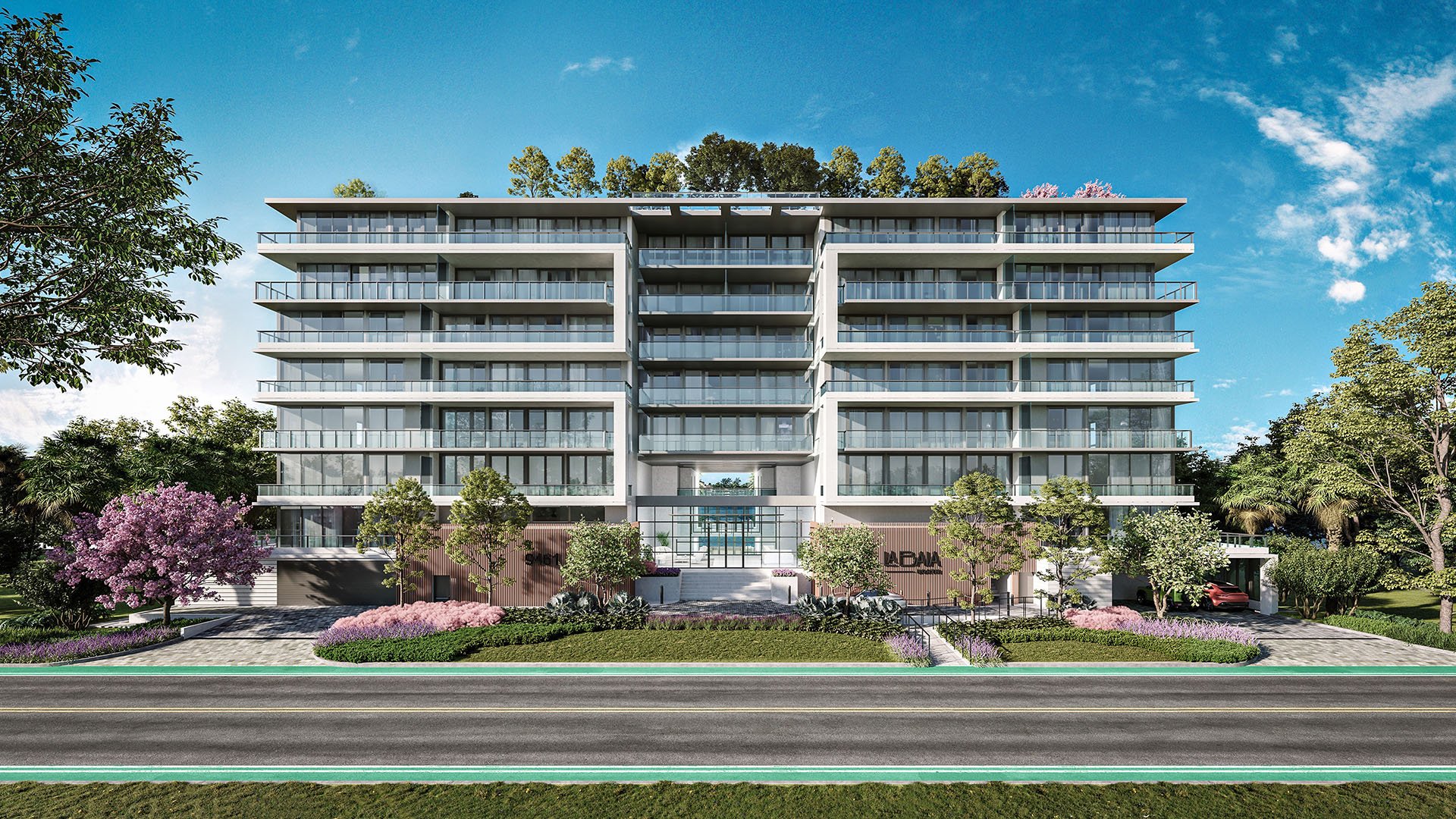
For buyers considering The Well Bay Harbor Islands or La Baia North Bay Harbor Islands, ownership extends beyond the residence itself. It is a commitment to shared services, infrastructure and financial decisions. The meaningful comparison is not simply which monthly assessment appears lower, but what each payment supports and which obligations sit outside it.
The Well is identified as a 66-residence project at 1160 Kane Concourse, developed by Terra Group and designed by Arquitectonica. La Baia North is located at 9481 East Bay Harbor Drive. Those addresses establish the properties under consideration; their ownership economics call for a closer, unit-specific review.
A disciplined buyer separates three decisions: the cost of acquiring the residence, the recurring cost of operating it, and the capacity to absorb future shared expenditures. Keeping those questions distinct makes an amenity-rich purchase easier to evaluate without mistaking lifestyle appeal for financial predictability.
At The Well, unit 308 has reported association dues of $5,745 monthly, or $68,940 annually. Unit 802 has reported dues of $2,300 monthly, or $27,600 annually. La Baia North unit 403 has reported dues of $3,186 monthly, or $38,232 annually in association payments alone.
These figures are starting points, not an affordability ranking. They concern different residences and have not been normalized for size, ownership allocation, parking or budget year. The Well’s listed residence sizes span approximately 950 to 3,262 square feet, underscoring why a building name alone cannot support a meaningful comparison.
Two additional figures warrant care: The Well has a listing-based average association fee of $2.61 per square foot monthly and a separate listing-based median of approximately $5,276 monthly across 17 listings. The latter annualizes to $63,312. Neither measure substitutes for the adopted budget or establishes the assessment on a particular purchase.
Compare each unit’s confirmed assessment and applicable allocation over the same budget period. Until those inputs align, a lower headline number is simply that-not evidence of a lower ownership cost.
The Well’s building-level maintenance categories include insurance, reserves, security, common areas, amenities, elevators, hot water, parking, water, internet/Wi-Fi and cable television. Unit 802 separately lists building exterior, common areas, security, pool service, amenities, elevators, water and reserve funding among its maintenance inclusions.
That distinction matters. A building-level description may be broader than the language attached to an individual residence. Request a written reconciliation identifying which services the association funds, which charges apply to the unit, and which services are billed outside the regular assessment. Confirm the scope of insurance separately; an association insurance line should not be assumed to replace the buyer’s own coverage needs.
At La Baia North, the building description specifies four high-speed elevators and two elevator lobbies. Unit 403 lists secured elevator access and key-card entry. These features identify systems to examine in the budget, but do not establish their operating costs, maintenance contract terms or replacement funding.
For either property, review the adopted budget alongside reserve documentation and available service agreements. The central question is whether the promised service level-and its funding-fits the buyer’s expectations over the intended holding period.
At The Well, any club or amenity membership is described as separately billed. Its price and whether participation is mandatory are not established. Buyers should not assume that association dues deliver an all-inclusive service package.
Request written answers on membership obligations, enrollment charges, recurring fees, renewal terms and access rights. Clarify whether membership affects a subsequent owner and whether any service can be discontinued without changing the residence’s association obligations. These questions belong in a review of the governing documents and applicable agreements, not in assumptions drawn from amenity descriptions.
The distinction applies beyond these two properties. A buyer also considering Rivage Bal Harbour should make the same separation between shared assessments and individually billed services. That is a diligence principle, not a claim that its charges or contractual arrangements match either Bay Harbor Islands project.
The Well’s payment schedule calls for five installments of 10% each: at signing, 60 days after execution, the start of vertical construction, six months after vertical construction, and completion of the remaining structure. Together, those installments total 50% before closing, with the remaining balance due at closing under that schedule. The executed agreement controls the buyer’s actual obligations.
Deposit timing does not establish price certainty. No contract escalator is established for either project by the available purchase terms. Neither purchase price should therefore be described as adjustable or protected against adjustments without reviewing the applicable agreement.
Have counsel identify whether provisions address construction costs, taxes, utilities, impact fees or specification changes. If adjustments are permitted, examine the calculation, any cap, notice requirements and the buyer’s remedies. Distinguish a purchase-price adjustment from a revised association-budget estimate: they affect different parts of the ownership model.
A clear deposit calendar supports liquidity planning. A thorough contract review establishes what that calendar does-and does not-promise.
Begin with twelve months of the confirmed unit assessment. Add property taxes, unit insurance, separately billed services, private maintenance and any applicable membership charges. Keep approved or pending special assessments visible rather than folding them into an apparently stable monthly figure.
Build a base case from documented obligations, then test a higher-cost case using explicitly chosen assumptions. An illustrative increase is not a forecast. Its purpose is to determine whether the buyer remains comfortable if recurring costs rise or a shared capital expense requires additional funding.
Request assessment histories, reserve information and available records of approved or contemplated expenditures. Ask whether service contracts include renewal increases and whether current charges reflect continuing obligations or temporary arrangements. The value lies in understanding how costs may change, not guessing a future percentage.
Neither the reported dues examples nor the amenity descriptions establish a financial winner. The stronger fit is the residence whose documented services, allocation of expenses, contract obligations and reserve approach align with the buyer’s priorities.
Before committing, assemble the exact-unit assessment confirmation, adopted budget, reserve materials, separately billed service terms and purchase agreement. Resolve discrepancies in writing. For a luxury buyer, predictability need not mean the lowest carrying cost; it means understanding the commitments that preserve the experience being purchased.
Explore a more considered South Florida ownership strategy with MILLION.
If branded residences are on your mind — as a home or as an allocation — we would be glad to share what we are seeing, privately.
Begin a quiet conversationUnit 308 has reported dues of $5,745 monthly, equivalent to $68,940 annually. Confirm the current assessment for the exact residence before purchasing.
Unit 802 has reported dues of $2,300 monthly, equivalent to $27,600 annually. That figure does not establish the charges for other residences.
Unit 403 has reported dues of $3,186 monthly, or $38,232 annually in association payments alone.
No. The residences are not normalized for size, ownership allocation, parking or budget year, and the figures exclude other ownership expenses.
It is a listing-based average association fee of $2.61 per square foot monthly, not a verified adopted budget or a confirmed assessment for every unit.
Building-level categories include insurance, reserves, security, common areas, amenities, elevators, hot water, parking, water, internet/Wi-Fi and cable television. Confirm the exact unit’s inclusions in writing.
Any club or amenity membership is described as separately billed. Its price and whether membership is mandatory are not established.
Five 10% installments total 50% before closing, with the balance due at closing under the published schedule. The executed agreement controls actual obligations.
No contract escalator is established by the available purchase terms. Counsel should review the applicable agreement for adjustment provisions and buyer protections.
Model property taxes, unit insurance, separately billed services, private maintenance and applicable memberships. Review approved or pending special assessments and reserve documentation as well.