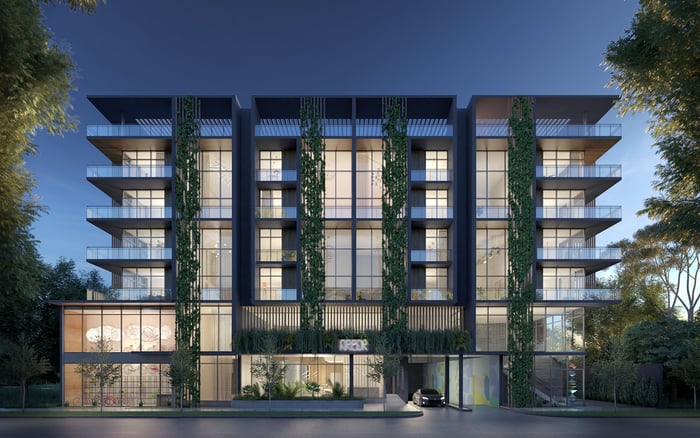
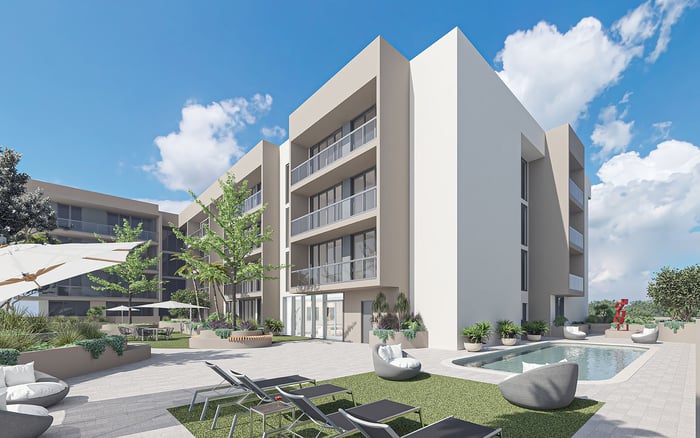
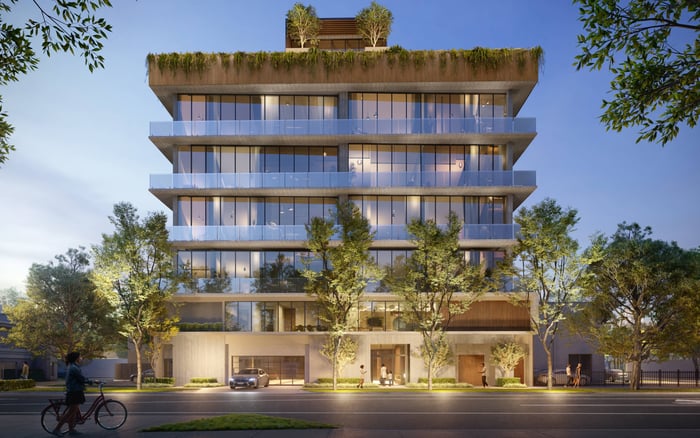
For seasonal owners with significant art collections, Arbor and THE WELL Coconut Grove offer distinct residential settings. The essential comparison is what can be documented about collection care, lighting, installation permissions, and oversight during an owner's absence.
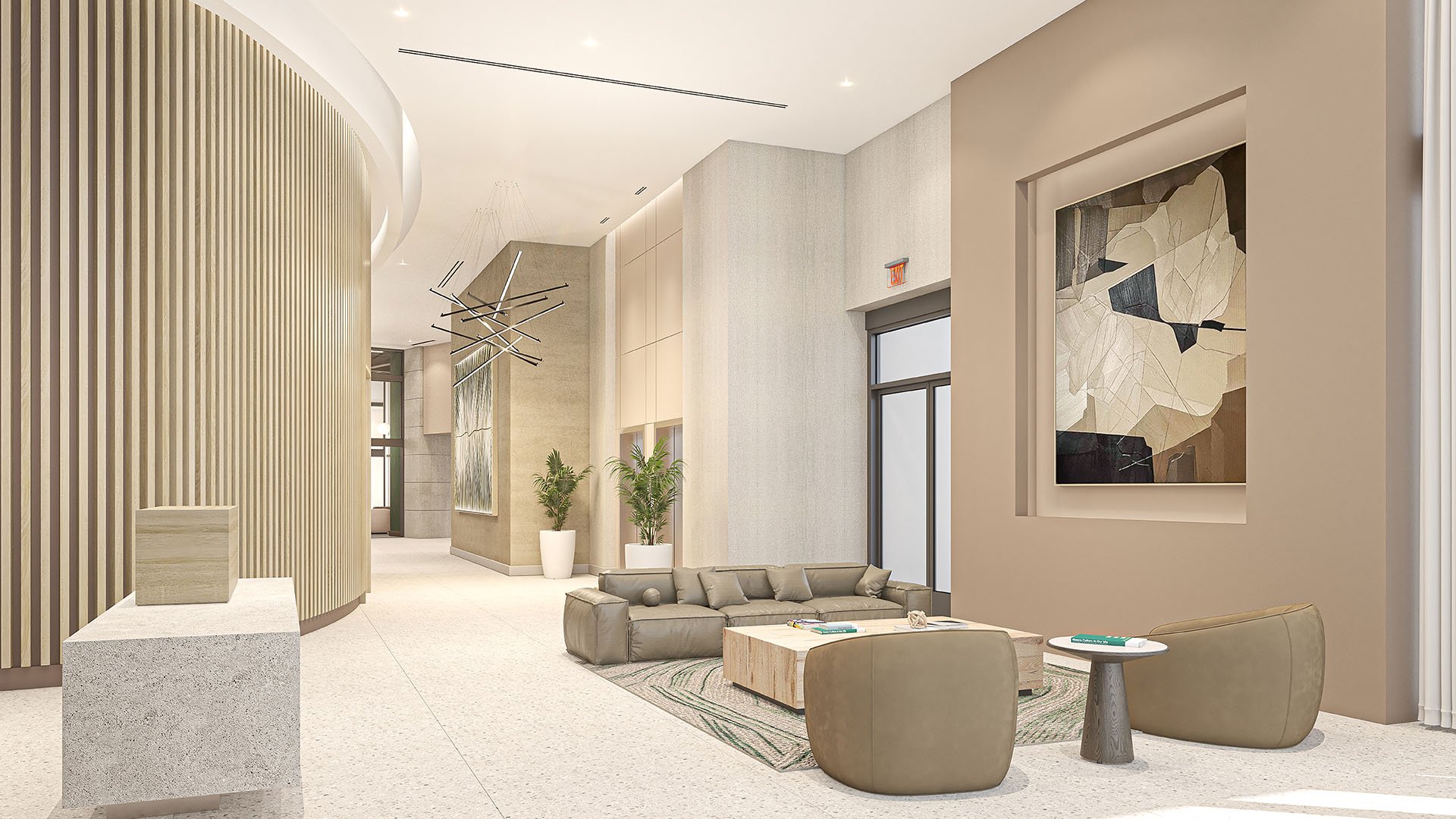
For a seasonal homeowner, a residence must work as elegantly during an absence as it does during a winter dinner party. When art is part of the household, that means looking beyond wall space and beautiful interiors to collection oversight, lighting specifications, installation permissions, and responsibility while the owner is away.
Arbor Coconut Grove and THE WELL Coconut Grove present distinct lifestyle propositions. Professional collection management, museum-grade lighting, and detailed art-installation approval procedures remain unconfirmed at both. That does not mean these services or accommodations are unavailable. It means they belong in written due diligence, not among the assumptions behind a purchase decision.
The useful comparison is not which building appears more art-oriented, but which can document an arrangement suited to the buyer’s collection and occupancy pattern.
Arbor Coconut Grove is positioned as a boutique condominium with 45 two-, three-, and four-bedroom residences at 3034 Oak Avenue. Its advertised amenities include a rooftop pool and lounge, fitness center, private lounges or meeting rooms, and concierge service. Its neighborhood positioning emphasizes access to art, shopping, and dining.
These details establish residential scale and lifestyle context-not an in-building art program, a registrar, conservation services, or a team responsible for privately owned works. Concierge service should not be read as collection stewardship without a defined scope.
The Well Coconut Grove is positioned as an eight-story development with 194 condominium residences. Its advertised wellness offering measures approximately 13,000 square feet, while a separately described rooftop wellness area spans 40,000 square feet and includes a resident pool, hot and cold plunges, cabanas, and a pickleball court. Other advertised amenities include a lobby library, conservatory, tea garden, private dining room, and children’s room.
That broader wellness setting offers a different basis for lifestyle selection, not proof of superior art handling. Neither residence count nor amenity acreage establishes easier installation approvals or better conservation conditions.
Occasional occupancy, permission to lease, and participation in a rental pool are separate questions. Neither property’s condominium format or amenity offering establishes a formal seasonal-ownership or rental-pool program.
Before relying on a particular usage pattern, request written occupancy requirements, minimum lease terms, short-term-rental restrictions, and any rental-pool provisions. Have the applicable condominium documents reviewed against the intended use rather than treating a sales description as permission.
For a collector, the absence plan deserves equal attention. Ask who may enter the residence, who can authorize access for an art specialist, and who coordinates an emergency. If the home might be leased, address collection access and insurance with the appropriate advisers before deciding which works will remain installed.
Professional collection management remains unconfirmed at both developments. At Arbor, an art adviser, registrar, inventory system, conservation service, and artwork-rotation program have not been identified. At THE WELL, a dedicated collection-management department or equivalent service has not been established.
The practical response is to separate coordination from specialist responsibility. Ask whether building personnel merely arrange access or whether a contracted provider can undertake inventory, condition documentation, delivery, installation, storage, and emergency coordination. Identify who retains insurance documentation and who communicates with the owner’s collection adviser.
Request a written division of responsibilities among the owner, building management, concierge, installer, and any outside collection manager. Confirm the scope and cost of each proposed service, along with its exclusions. The objective is not a reassuring promise that someone will help, but a clear account of who does what when the owner is elsewhere.
Museum-grade lighting remains unconfirmed at both properties. Art-specific color rendering, illuminance, UV-control, and conservation specifications remain unconfirmed at Arbor. THE WELL’s wellness positioning and luxury finishes do not establish those specifications either.
Rather than asking only whether lighting is suitable for art, request the proposed fixture specifications and controls for the actual residence. Have a collection specialist assess them against the works intended for each room. Ask about solar exposure, UV filtration, blackout options, and whether lighting changes require separate approval.
Extend the review to temperature and humidity ranges, HVAC zoning, and operation during extended absences. Request the relevant technical documentation rather than assuming residential comfort and a collection’s requirements are interchangeable. No comparative claim about conservation performance at Arbor or THE WELL has been established.
A complete art-installation approval process remains unconfirmed at both properties. At Arbor, that includes mounting restrictions, contractor requirements, weight limits, and approval timelines. At THE WELL, the uncertainty also extends to drilling rules, insurance requirements, delivery arrangements, and timing.
Request the alteration rules and submission requirements for the intended installation. Cover wall penetrations, anchoring, ceiling attachments, lighting modifications, approved vendors, insurance certificates, loading access, and elevator reservations. Ask for details of wall and ceiling assemblies, allowable loads, and electrical capacity where relevant.
For each substantial work, establish what information management needs before an installer proceeds. Clarify who grants approval, whether additional technical review is required, and how delivery access is coordinated. Acceptance of a delivery should not be mistaken for authorization to mount a work or alter electrical systems. A written approval sequence is more useful than a general assurance that art can be accommodated.
The same discipline applies if Opus Coconut Grove enters a broader neighborhood shortlist: assess collection care, lighting, and installation permissions independently, without carrying assumptions from one property to another.
For Arbor and THE WELL, request a coordinated document package covering intended occupancy, collection-service responsibilities, technical specifications, and installation permissions. Ask the owner’s art adviser, installer, insurance adviser, and legal counsel to review the parts relevant to their roles. Unresolved items should remain explicit decision points, not disappear beneath the appeal of the amenities.
Arbor’s boutique scale and THE WELL’s wellness emphasis are supported distinctions. Superior collection care, easier approvals, and museum-grade lighting are not. For the seasonal collector, the more suitable residence is the one whose documented permissions and service arrangements align with the collection and the owner’s absence plan.
Explore Coconut Grove residences with MILLION and make collection-specific due diligence part of your next purchase conversation.
If branded residences are on your mind — as a home or as an allocation — we would be glad to share what we are seeing, privately.
Begin a quiet conversationProfessional collection management remains unconfirmed. Ask for a written service scope identifying any specialist providers and their responsibilities.
A dedicated collection-management department or equivalent service remains unconfirmed. This does not mean private arrangements are unavailable.
Museum-grade lighting remains unconfirmed at both properties. Request art-specific lighting specifications for the intended residence and have them assessed against the collection.
A formal seasonal-ownership or rental-pool program remains unconfirmed at both properties. Occasional occupancy should be distinguished from leasing permission and rental-pool participation.
Arbor is positioned as a boutique condominium with 45 two-, three-, and four-bedroom residences. THE WELL is an eight-story development with 194 condominium residences.
Arbor's concierge service should not be assumed to include professional collection stewardship. Confirm which tasks personnel can coordinate and which require outside specialists.
Request alteration rules, mounting and load restrictions, contractor requirements, insurance requirements, and the approval sequence. Also confirm loading access and elevator reservations before scheduling delivery.
Approval timelines remain unconfirmed for both developments. Obtain a written schedule and identify who authorizes the proposed work.
Request lighting specifications, temperature and humidity ranges, HVAC zoning, solar exposure, UV filtration, and blackout options. Wall and ceiling assemblies, allowable loads, and electrical capacity should also be reviewed where relevant.
Establish who can access the home, coordinate specialists, maintain collection documentation, and respond to emergencies. Document the responsibilities that fall outside concierge or building-management services.