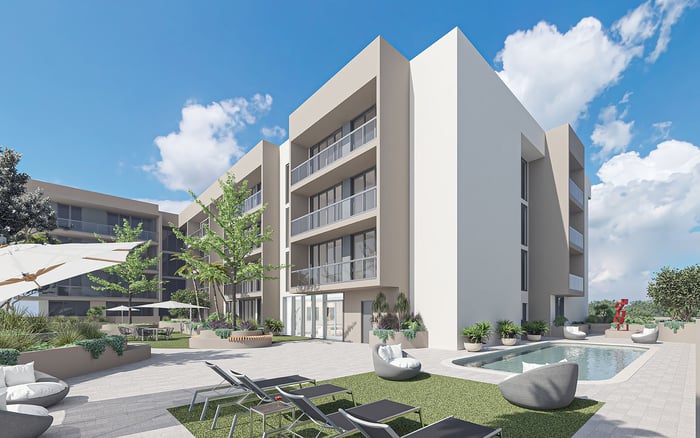
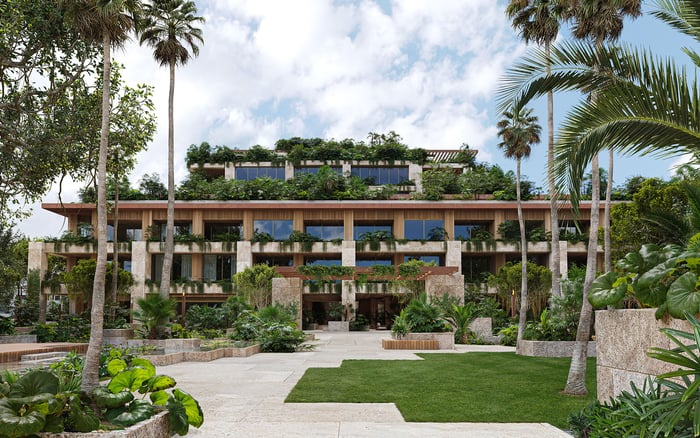
A second home at Arbor Coconut Grove calls for more than a floor-plan decision. Buyers should coordinate seasonal-occupancy insurance, local oversight, and property-tax assumptions before committing to a residence.
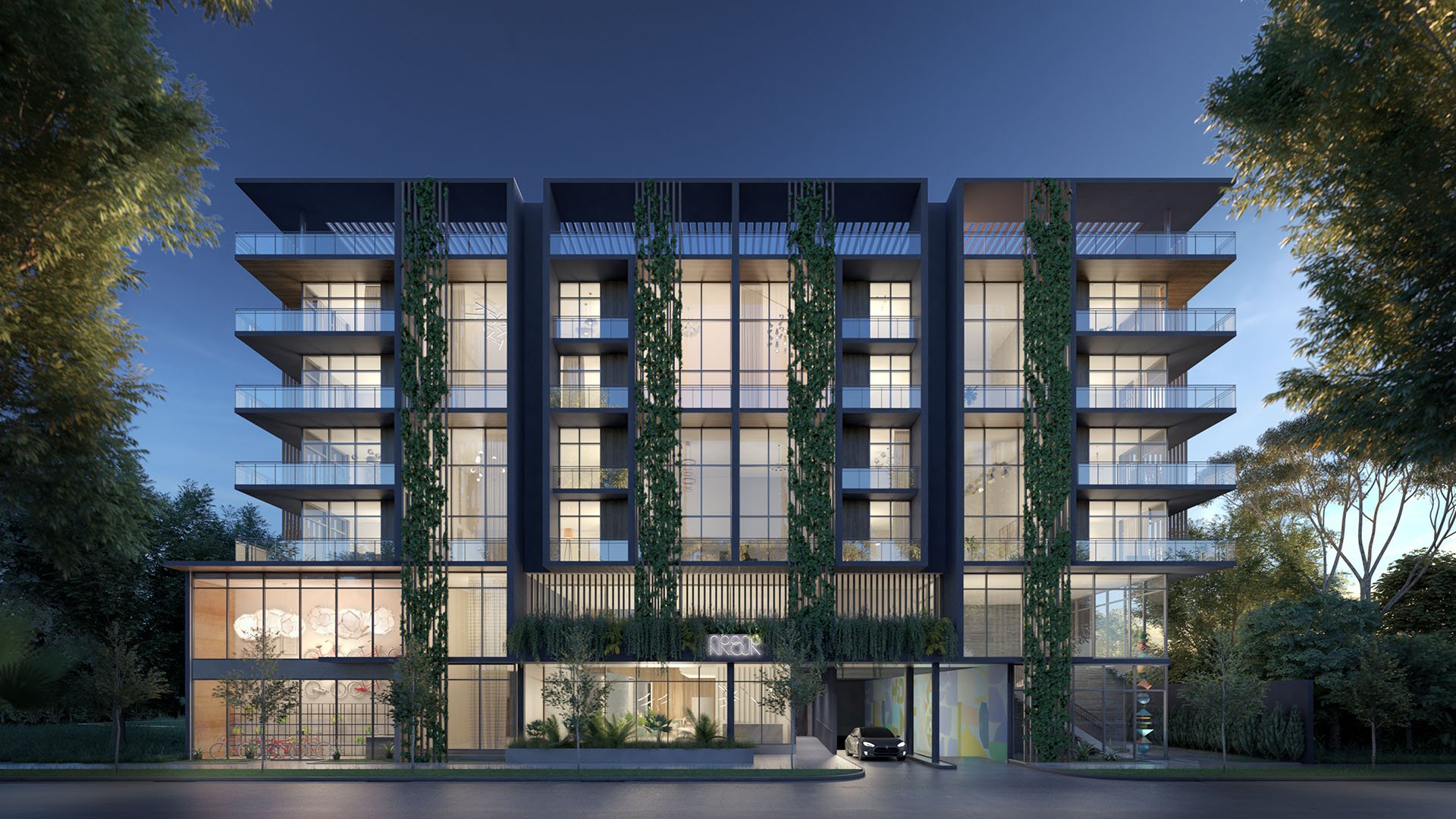
The most important question before buying a second home is not simply how it will feel on arrival, but how it will be managed between visits. At Arbor Coconut Grove, that distinction should shape the purchase checklist as carefully as the floor plan.
Arbor is a five-story boutique condominium development at 3034 Oak Avenue in Coconut Grove, with architecture by Behar Font. Its scale offers a different residential setting from a high-rise tower. It does not, however, establish who monitors an unoccupied apartment, which insurance responds to a loss, or whether the owner qualifies for a property-tax exemption.
For a seasonal buyer, ease of ownership should be planned, not assumed. The goal is a coordinated plan in which the insurance broker, building management, local caretaker, and tax adviser work from the same understanding of the residence's intended use.
Before evaluating convenience, establish exactly what you are purchasing. Confirm the final residence count in the condominium documents, along with the selected floor plan, current availability, and contractual delivery terms. Do not build a staffing or move-in plan around an assumed occupancy date.
Then separate architecture from operations. Confirm concierge hours, security coverage, valet service, and emergency-response responsibilities in writing. A smaller building does not automatically mean more personal attention, nor does it establish that someone will enter an apartment when an owner cannot be reached.
Ask management to distinguish association responsibilities from optional services and owner-arranged work. Who accepts deliveries? Who admits a housekeeper? Who can authorize emergency access? Which services, if any, carry separate charges?
If Four Seasons Residences Coconut Grove is also on your shortlist, ask the same questions there rather than treating a project name as a service specification. Compare written commitments, not impressions.
Give your insurance broker a clear account of how you intend to use the residence: seasonal visits, likely periods of absence, visiting family, valuable contents, and any contemplated rental use. Ask how the proposed policy treats each circumstance. A residence occupied several months each year calls for a review that reflects that pattern, not a generic primary-home assumption.
Request the association's current insurance information and ask the broker to review it alongside the condominium documents and proposed owner coverage. Confirm Arbor's master-policy coverage, deductibles, flood protection, and owner-policy requirements before relying on them. Do not assume an HO-6 policy is universally mandatory or that the association's policy addresses every exposure inside the residence.
The review should address these questions:
Absence and occupancy: How does the insurer define extended absence, vacancy, or unoccupancy, and what conditions apply?
Wind and water: What wind and flood protection is included, excluded, or separately available, and which deductibles apply?
Loss assessments: What protection is offered for qualifying association assessments, and what limits or exclusions matter?
Contents and liability: How should valuable belongings, guests, and any rental use be addressed?
Ask for a written explanation of the proposed coverage and any inspection or maintenance conditions. The outcome should be clear: what is covered, what remains the owner's responsibility, and what must happen while the apartment is unattended.
Treat building personnel and private household support as separate arrangements. Even where services are available, confirm whether they extend to an owner's private residence and whether management accepts responsibility for the specific task.
Appoint an authorized local key-holder and a backup. Establish emergency access procedures, management contacts, and a process for authorizing urgent spending. Decide who calls the owner, who calls the insurer, and who documents the apartment's condition when a problem is discovered.
A practical absence plan should also specify scheduled HVAC maintenance, housekeeping, vendor access, and the frequency and scope of any owner-arranged visits. Ask your broker whether the policy imposes related conditions, then align the service instructions with them. A calendar without an accountable person is not a management plan.
For buyers also considering Park Grove Coconut Grove, apply the same responsibility checklist. The relevant question is not which building appears more effortless, but which arrangements support your travel pattern.
If you retain private staff, obtain separate professional advice on employee-versus-contractor classification, payroll obligations, and domestic-worker liability. Describing someone as an independent contractor does not settle those questions.
Florida's property-tax homestead exemption is tied to permanent residence, not ownership alone. Eligibility generally requires legal or equitable ownership and qualifying permanent-residence status as of January 1 of the tax year. The property must be the permanent residence of the owner or a qualifying dependent.
An Arbor residence used only as a second home or vacation property does not qualify. Your acquisition budget should therefore exclude a homestead reduction unless a qualified adviser confirms that your circumstances meet the eligibility requirements.
The first $25,000 of the homestead exemption applies to assessed value for all property taxes, including school district taxes. It is not a $25,000 reduction in the tax bill. A nonqualifying second home receives no such homestead reduction.
Ask for a property-tax estimate tailored to the proposed purchase rather than assuming another owner's bill reflects your future obligation. Keep this analysis separate from insurance underwriting and creditor protection. Property-tax homestead eligibility does not resolve every question of residency, ownership structure, or broader tax planning.
Occasional family visits, a housekeeper's access, and a paid tenancy are different operating scenarios. Before purchasing, obtain the condominium's current leasing and guest rules, including any minimum lease term, registration requirements, and vendor-access procedures. Do not assume short stays or rentals are permitted at Arbor.
If rental income is part of your ownership plan, have counsel review the governing documents and disclose the proposed use to the insurance broker and tax adviser. Permission under building rules does not confirm insurance coverage or tax treatment.
Before closing, assemble three coordinated files: confirmed insurance arrangements, written operating responsibilities, and a property-tax estimate suited to your intended use. Review them alongside the condominium documents and confirmed delivery status.
This is the practical foundation of a refined second home: knowing who has the keys, what the policy covers, and which costs belong in the budget before the first extended absence.
For a considered approach to Coconut Grove second-home ownership, explore MILLION.
If branded residences are on your mind — as a home or as an allocation — we would be glad to share what we are seeing, privately.
Begin a quiet conversationArbor Coconut Grove is at 3034 Oak Avenue, Miami, FL 33133, in Coconut Grove.
No. Arbor is a five-story boutique condominium development with architecture by Behar Font.
A residence used only as a second home or vacation property does not qualify. Eligibility requires qualifying permanent-residence status and ownership conditions.
Legal or equitable ownership and qualifying permanent-residence status generally must be established as of January 1 of the tax year.
No. It reduces assessed value for property-tax purposes, including school district taxes, rather than reducing the bill dollar for dollar.
Do not assume a universal requirement. Confirm Arbor's owner-policy requirements and have a broker review the proposed coverage alongside the association's insurance.
Ask about extended absences, occupancy definitions, wind and flood protection, loss assessments, valuable contents, guest liability, and any rental use.
No. Confirm service hours, private-unit responsibilities, and emergency access in writing, then arrange any additional local oversight.
Identify an authorized key-holder, backup contact, maintenance schedule, and vendor-access procedures. Obtain professional advice on worker classification, payroll obligations, and domestic-worker liability.
Confirm the condominium's current leasing rules before relying on rental flexibility. Any proposed rental use should also be reviewed with the insurance broker and tax adviser.