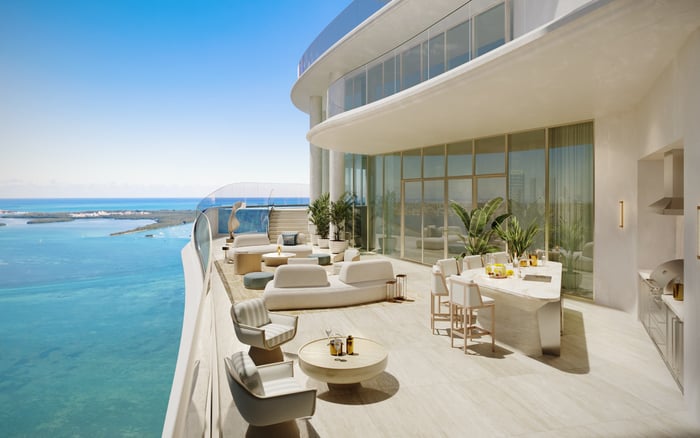
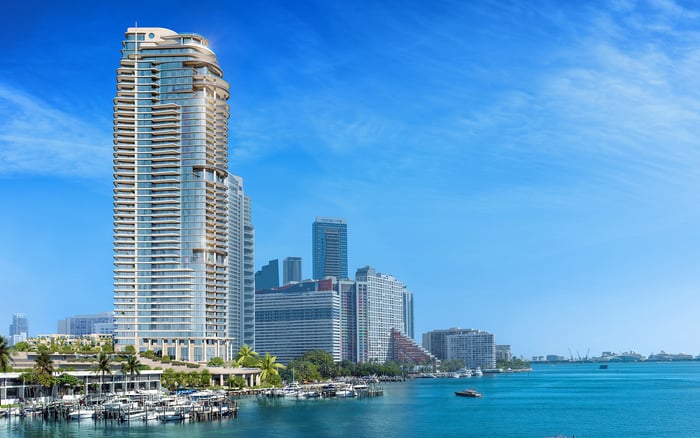
For Bay Area buyers considering Brickell waterfront ownership, insurance diligence changes materially. Florida planning centers on hurricane, windstorm, storm-surge and flood exposure, with condo master policies, HO-6 coverage, percentage deductibles and loss-assessment protection all reviewed before closing.
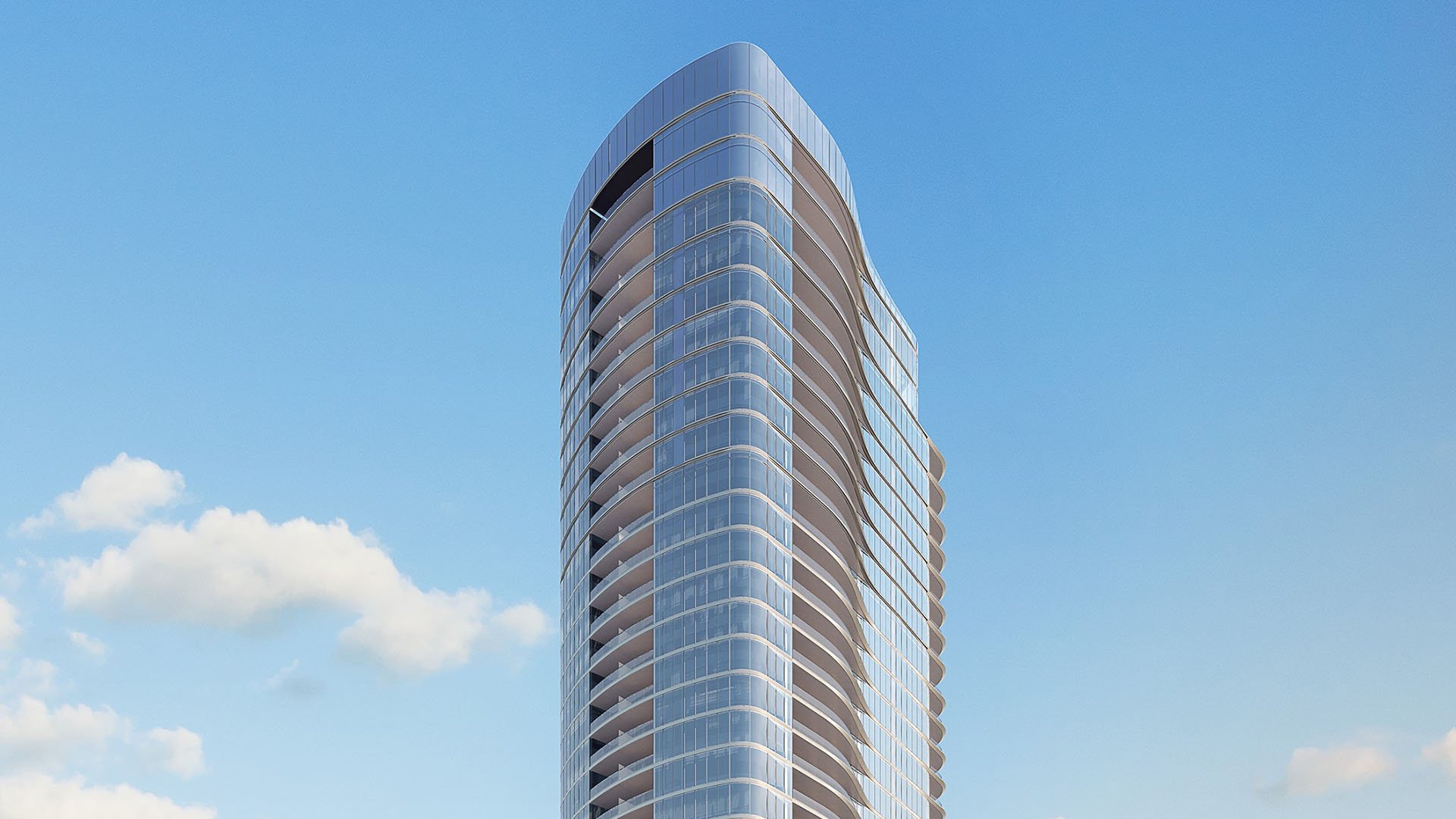
For a San Francisco buyer, Brickell can feel familiar at first glance: a vertical waterfront market, a finance-driven downtown, design-led towers and a daily rhythm shaped by water views. The insurance conversation, however, changes almost immediately. California diligence often begins with earthquake, wildfire, seismic retrofit and slope exposure. In Brickell, the underwriting lens turns to hurricane wind, wind-driven rain, storm surge, flood risk, evacuation planning and the way a condominium association’s master policy interacts with a private unit-owner policy.
That shift matters before a contract becomes emotionally irreversible. A buyer comparing Baccarat Residences Brickell with other bayfront or near-bay opportunities is not simply choosing a residence, view line or amenity package. The buyer is also choosing an insurance profile that should be modeled with the same care as carrying costs, financing terms, reserves and closing timelines.
One of the most important distinctions in waterfront ownership is that standard homeowners and condominium policies generally do not cover flood damage. Flood insurance is separate coverage for direct physical loss caused by flooding, and waterfront buyers should evaluate it even when purchasing in a high-rise. A residence many floors above grade does not end the inquiry.
In South Florida, flood exposure can arise from hurricanes, storm surge, heavy rainfall and low-lying coastal geography. Storm surge is an abnormal rise of water generated by a storm above predicted tides, and it can create life-safety concerns as well as property risk. For Brickell owners, that risk may extend beyond the private residence itself. Lobbies, garages, building systems, storage rooms, loading areas, elevators, electrical rooms and waterfront hardscape can influence both insurability and post-storm disruption.
This is where a luxury buyer should move beyond the phrase “it is a condo, the building handles it.” The building may insure common elements, but the owner still needs to understand personal contents, interior finishes, additional living expenses, liability, loss assessment and any separate flood or excess flood needs.
In a Florida condominium, the association typically insures common elements, while unit owners insure personal property, interior items and liability through their own unit-owner coverage. Florida condominium associations are expected to use best efforts to maintain adequate property insurance for insurable improvements on the condominium property. That does not mean the buyer can ignore the master policy.
The critical question is where the association’s responsibility ends and the owner’s begins. Flooring, cabinetry, built-ins, fixtures, wall coverings, appliances, smart-home systems, wine storage, art installation infrastructure and custom closets can sit in a gray zone if the documents are not reviewed carefully. A buyer looking at St. Regis® Residences Brickell should ask for the association’s insurance summary, declarations, deductible structure and any materials describing covered property versus owner responsibility.
The same discipline applies to loss-assessment coverage. If an association deductible, uncovered loss or underinsured common-element claim is allocated to unit owners, a private policy may respond only if the buyer has appropriate coverage and limits. For ultra-premium residences, the wrong limit can appear to be a rounding error on paper and become a major frustration after an event.
Florida policies may use hurricane deductibles that differ from standard “all other perils” deductibles. These hurricane deductibles are commonly expressed as a percentage of insured value rather than a flat dollar amount. For high-value waterfront ownership, that percentage can translate into meaningful self-insured exposure.
Buyers should ask whether a proposed policy uses a hurricane deductible, windstorm deductible, named-storm deductible or another storm-related definition. The wording matters because it determines when the deductible applies and how the buyer should budget for potential loss. A seemingly elegant premium can look very different once deductibles are modeled against the insured value, association exposure and private contents schedule.
This is also where lender requirements enter the conversation. Insurance diligence should occur before closing because flood-zone status, required coverage, association master-policy gaps and deductible exposure can affect the buyer’s actual cost of ownership. Sophisticated buyers often treat insurance as a closing condition in spirit, even when the contract language is handled more delicately.
Miami-Dade sits in a high-velocity hurricane region, so impact-resistant glazing, protected openings and wind-rated construction details are not cosmetic talking points. Florida’s building code includes wind-resistance requirements shaped by hurricane risk, and these details can affect underwriting, mitigation credits and loss performance.
For a buyer studying The Residences at 1428 Brickell or Una Residences Brickell, diligence should include wind-mitigation documentation when available. The right file might include building code information, product approvals, opening protection details and any documentation the insurer can use in rating. The goal is not to become an engineer. It is to ensure the insurance advisor has enough technical information to approach underwriting with precision.
Waterview ownership can be emotionally compelling, but underwriting rewards documentation more than atmosphere. A residence with exceptional views still needs a clean insurance narrative: what is covered by the association, what is covered by the owner, where flood coverage begins, how deductibles apply and whether mitigation credits may be available.
Florida’s property-insurance market has experienced stress tied to hurricane exposure, litigation, reinsurance costs and insurer insolvencies or withdrawals. Reinsurance matters because carriers use it to manage catastrophe exposure, and higher reinsurance pricing can flow through to property-insurance premiums.
For luxury buyers, this means last year’s quote is not a permanent baseline. Carrier appetite can shift, underwriting guidelines can tighten and renewal pricing can move faster than expected. State-created coverage may be relevant for eligible owners who cannot find comparable private-market coverage, but eligibility and takeout rules should be reviewed carefully with an advisor. It should not be assumed to be a simple substitute for a tailored private-market program.
A Brickell buyer relocating from San Francisco should therefore coordinate early with an insurance broker who understands waterfront condominiums, excess flood, valuables, liability and domestic risk. The policy stack may include property, flood, excess flood, umbrella liability, scheduled jewelry or art, auto, yacht or boat coverage and domestic-staff coverage. The residence is only one part of the household risk profile.
Before closing, request the condominium master policy summary, the association deductible schedule and a clear description of unit-owner responsibility. Ask your advisor to review whether your HO-6 limits are adequate for flooring, cabinetry, fixtures, contents, liability and additional living expense.
Confirm whether separate flood or excess flood coverage is appropriate, even if the residence is well above ground level. Review evacuation-zone awareness and building hurricane procedures, particularly if the residence will be a second home used seasonally. Ask how storm-related deductibles are triggered, whether they are percentage-based and how much cash exposure they represent.
Finally, revisit the program annually. In Brickell, new construction, resale towers and established waterfront buildings can each present a different insurance profile. The best insurance plan is not necessarily the lowest quote. It is the one that survives contact with the realities of South Florida ownership.
Is flood insurance necessary in a Brickell high-rise? It should be evaluated carefully because standard condo policies generally do not cover flood damage, and building-level disruption can still affect owners.
What does an HO-6 policy usually cover? It typically addresses the unit owner’s personal property, interior items and liability, subject to the policy and condominium documents.
Why is the condominium master policy important? It helps define what the association insures and where the owner’s private insurance responsibility begins.
Are hurricane deductibles different from normal deductibles? They can be different and are often expressed as a percentage of insured value rather than a fixed dollar amount.
What is loss-assessment coverage? It may help when certain association deductibles, uncovered losses or underinsured common-element claims are assessed to unit owners.
Should insurance be reviewed before closing? Yes. Lender requirements, flood status, master-policy gaps and deductible exposure can materially affect ownership costs.
Do impact windows matter for insurance? Wind-rated construction details and opening protection can be relevant to underwriting, mitigation credits and loss performance.
Can a buyer rely only on the association’s insurance? No. The association’s policy is only part of the structure, and the owner still needs a tailored private program.
How often should a Brickell owner review coverage? Annual reviews are prudent because carrier appetite, pricing and household circumstances can change quickly.
Should valuables and umbrella liability be coordinated with property coverage? Yes. High-net-worth buyers should coordinate property, flood, valuables, auto, yacht and umbrella liability within one risk strategy.
When you're ready to tour or underwrite the options, connect with MILLION.
If branded residences are on your mind — as a home or as an allocation — we would be glad to share what we are seeing, privately.
Begin a quiet conversation