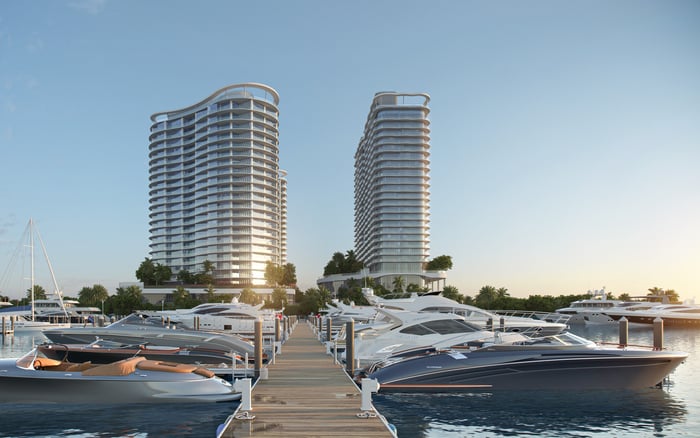
A buyer-focused look at why Save Our Homes portability for Rosewood Residences Hillsboro Beach turns on ownership, title, and primary-residence use, not brand prestige alone.
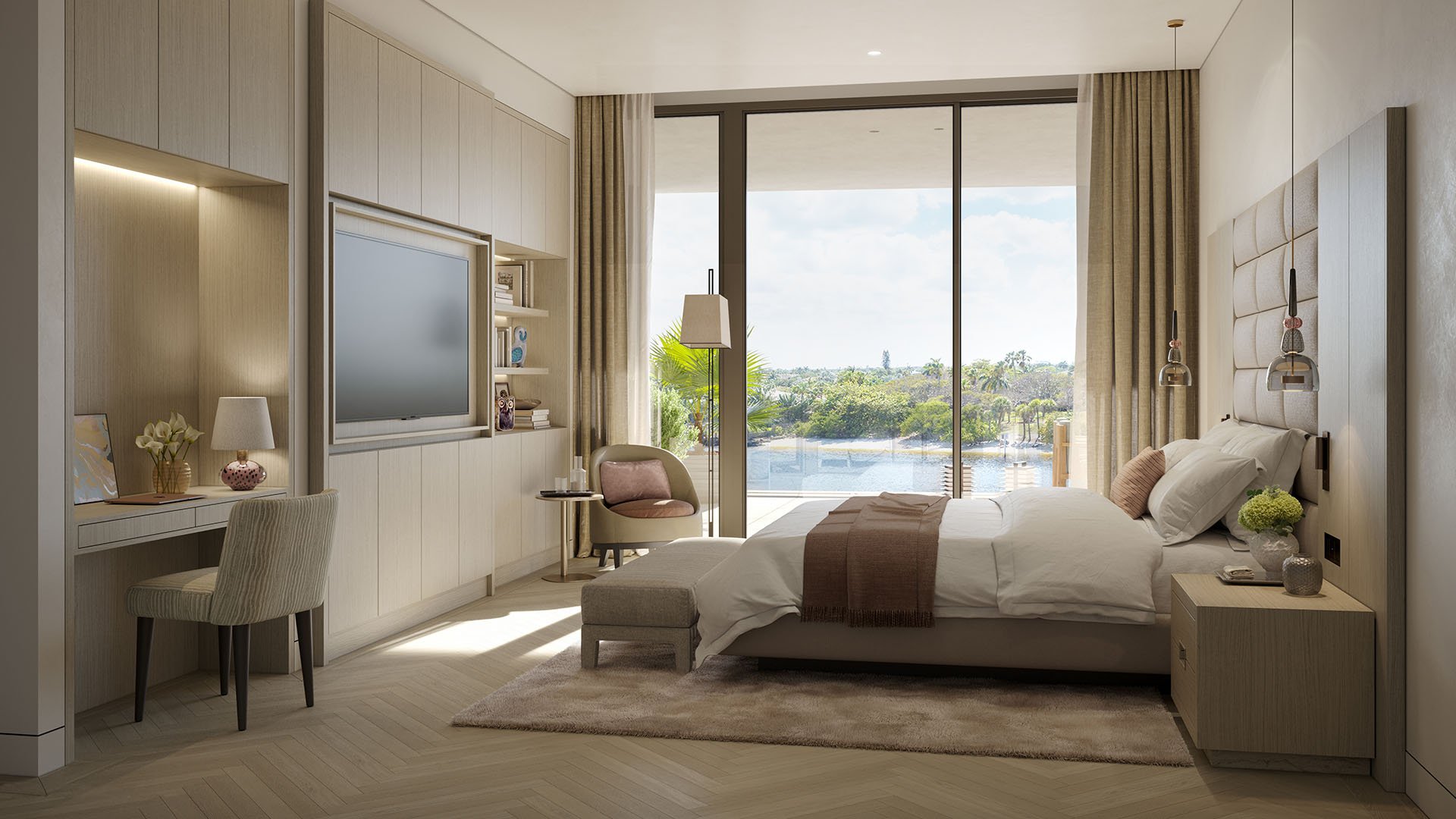
Rosewood Residences Hillsboro Beach occupies a precise place in the South Florida luxury conversation: an ultra-luxury branded condominium in Hillsboro Beach, designed for buyers often thinking well beyond floor plans and finishes. For some purchasers, the more consequential question is not simply whether the residence feels like home, but whether it can be treated as a primary residence for Florida homestead purposes.
That distinction matters. Save Our Homes portability can be especially relevant for buyers moving from an existing Florida homestead into a new branded residence. Yet it is not a lifestyle amenity, a marketing feature, or a benefit that attaches automatically to a building. It is a fact-specific issue tied to ownership, title, and use.
At the seven- and eight-figure level, long-term property-tax exposure becomes part of the acquisition strategy. A buyer may compare architecture, service, beach access, privacy, and brand experience, but the quieter financial question is often this: if the unit becomes the buyer’s new Florida homestead, can prior homestead benefits be meaningfully carried forward under applicable rules?
The central issue for Rosewood Residences Hillsboro Beach is ownership. A purchaser should understand how the unit will be titled before assuming that homestead treatment or Save Our Homes portability will be available. A personally owned residence may be evaluated differently from one owned through an entity, trust, or other structure.
This is not a minor administrative detail. Luxury buyers frequently use sophisticated ownership structures for privacy, estate planning, financing, liability management, or family governance. Those structures may be appropriate for many objectives, but they should be reviewed through the separate lens of homestead eligibility.
The question is not whether the residence is prestigious. The question is whether the owner, title structure, and intended use align with the requirements for the property to be recognized as a homestead. In a market where buyers often move quickly, this analysis should happen before closing expectations become fixed.
For homestead-related benefits, intended use is pivotal. A residence treated as a seasonal escape, occasional retreat, or investment holding may present a different profile from a residence used as the owner’s primary home. Rosewood Residences Hillsboro Beach may serve as a new primary residence for some purchasers, which is why portability becomes relevant, but that outcome depends on the buyer’s facts.
This is where luxury real estate vocabulary can obscure the real issue. A branded residence may offer the emotional and physical qualities of a permanent home, but tax eligibility turns on use and legal recognition, not sentiment. Buyers relocating from another Florida homestead should evaluate how their move, timing, title, and occupancy plans fit together.
For a Hillsboro Beach property, homestead eligibility also involves local administrative recognition. For buyers accustomed to private banking, family-office planning, and cross-jurisdictional advisory teams, that layer should not be overlooked.
Rosewood Residences Hillsboro Beach is positioned within the ultra-luxury branded condominium category, where service, architecture, privacy, and setting carry significant appeal. Those qualities may influence value, desirability, and daily life. They do not, by themselves, establish homestead status.
In market shorthand, Rosewood Residences Hillsboro Beach sits within Broward and oceanfront conversations, alongside broader investment, resale, new-construction, and top-project filters. But the tax inquiry is narrower and more personal: who owns the unit, how is it titled, and is it truly the owner’s primary residence?
That is why buyers should separate two forms of diligence. The first is lifestyle diligence: Does the residence support the way the buyer wants to live? The second is tax and ownership diligence: Does the legal and practical profile support the treatment the buyer expects? Confusing the two can create expensive assumptions.
The most relevant buyer profile is someone leaving an existing Florida homestead and considering Rosewood Residences Hillsboro Beach as a new primary residence. For that buyer, portability may be part of the broader economic thesis. It can influence expectations around future property-tax exposure and the true carrying cost of ownership.
However, portability should be framed as a due-diligence question, not an automatic benefit. The buyer should review whether the prior homestead, the new residence, the timing of the move, and the proposed ownership structure are aligned. If a trust, entity, or other planning vehicle is involved, the analysis becomes even more important.
For many affluent households, the residence is not held in isolation. It may sit inside a broader plan involving liquidity events, multigenerational wealth transfer, Florida domicile planning, and asset protection. The homestead question should be coordinated with those priorities, not addressed after the fact.
At the top of the market, even small percentage differences can become meaningful over time. Long-term property-tax exposure is not merely an annual line item; it can affect hold strategy, resale planning, and the buyer’s comfort with a permanent relocation. A residence intended as a primary home should be evaluated accordingly before the deed is finalized.
The risk is not that a luxury buyer ignores tax planning altogether. More often, the risk is fragmented planning. One adviser may focus on estate structure, another on financing, another on privacy, and another on closing logistics. Homestead and portability questions can fall between disciplines unless someone deliberately brings them into the acquisition conversation.
A disciplined buyer should ask for a clear explanation of how the proposed ownership structure interacts with homestead treatment. If the desired structure creates uncertainty, the buyer can weigh that against the potential value of portability and the importance of other planning goals.
Before assuming Save Our Homes portability will apply to a Rosewood Residences Hillsboro Beach purchase, buyers should pressure-test the basics. Will the unit be the owner’s primary residence? Will the title be held in a way that supports the desired treatment? Is the buyer moving from an existing Florida homestead? Has the timing been reviewed? Has local filing and recognition been considered?
The answers should be documented and reviewed by qualified Florida tax and legal advisers. This is particularly important when a buyer is using an entity, trust, or other structure that may have been designed for reasons unrelated to homestead eligibility.
The most refined approach is not to treat tax planning as a brake on the purchase. It is to integrate it into the purchase. A branded condominium can be both a lifestyle decision and a technical ownership decision. The strongest buyers understand both.
Rosewood Residences Hillsboro Beach may appeal to buyers seeking a highly serviced coastal home in one of South Florida’s quieter luxury settings. For those intending to make it their primary residence, the portability conversation deserves early attention.
The essential point is simple: Save Our Homes portability is not determined by the name on the building. It is determined by facts surrounding the owner, the title, the prior homestead, the new residence, and the buyer’s actual use. In that sense, the most important feature may not be visible in a rendering or amenity program. It may be found in the closing documents.
Does Rosewood Residences Hillsboro Beach automatically qualify for homestead treatment? No. Eligibility depends on the buyer’s ownership, title, and use of the unit as a primary residence.
Is Save Our Homes portability a building amenity? No. Portability is a property-tax planning issue, not a branded-residence amenity.
Why does title ownership matter? A unit owned personally may be evaluated differently from one owned through an entity, trust, or other structure.
Can a seasonal residence qualify the same way as a primary residence? Homestead-related benefits generally focus on primary-residence use, not occasional or seasonal use.
Who recognizes homestead eligibility for a Hillsboro Beach property? Homestead eligibility for a Hillsboro Beach property involves local administrative recognition.
Should buyers review portability before or after closing? Buyers should review it before closing, when title and ownership choices can still be evaluated.
Does luxury branding affect Save Our Homes portability? No. Branding, service, and amenities do not determine homestead eligibility.
Who is most likely to care about portability here? Buyers moving from an existing Florida homestead into a new primary residence are the most relevant group.
Can an investment condominium receive the same treatment? A property held or used primarily as an investment may not present the same homestead profile as a primary residence.
What is the best way to shortlist comparable options for touring? Start with location fit, delivery status, and daily lifestyle priorities, then compare stacks and elevations to validate views and privacy.
If you'd like a private walkthrough and a curated shortlist, connect with MILLION.
If branded residences are on your mind — as a home or as an allocation — we would be glad to share what we are seeing, privately.
Begin a quiet conversation