A practical 2026 due-diligence framework for selecting the right stack at Rosewood Residences Hillsboro Beach, with emphasis on light, exposure, privacy, service flow, resilience and long-term resale liquidity.
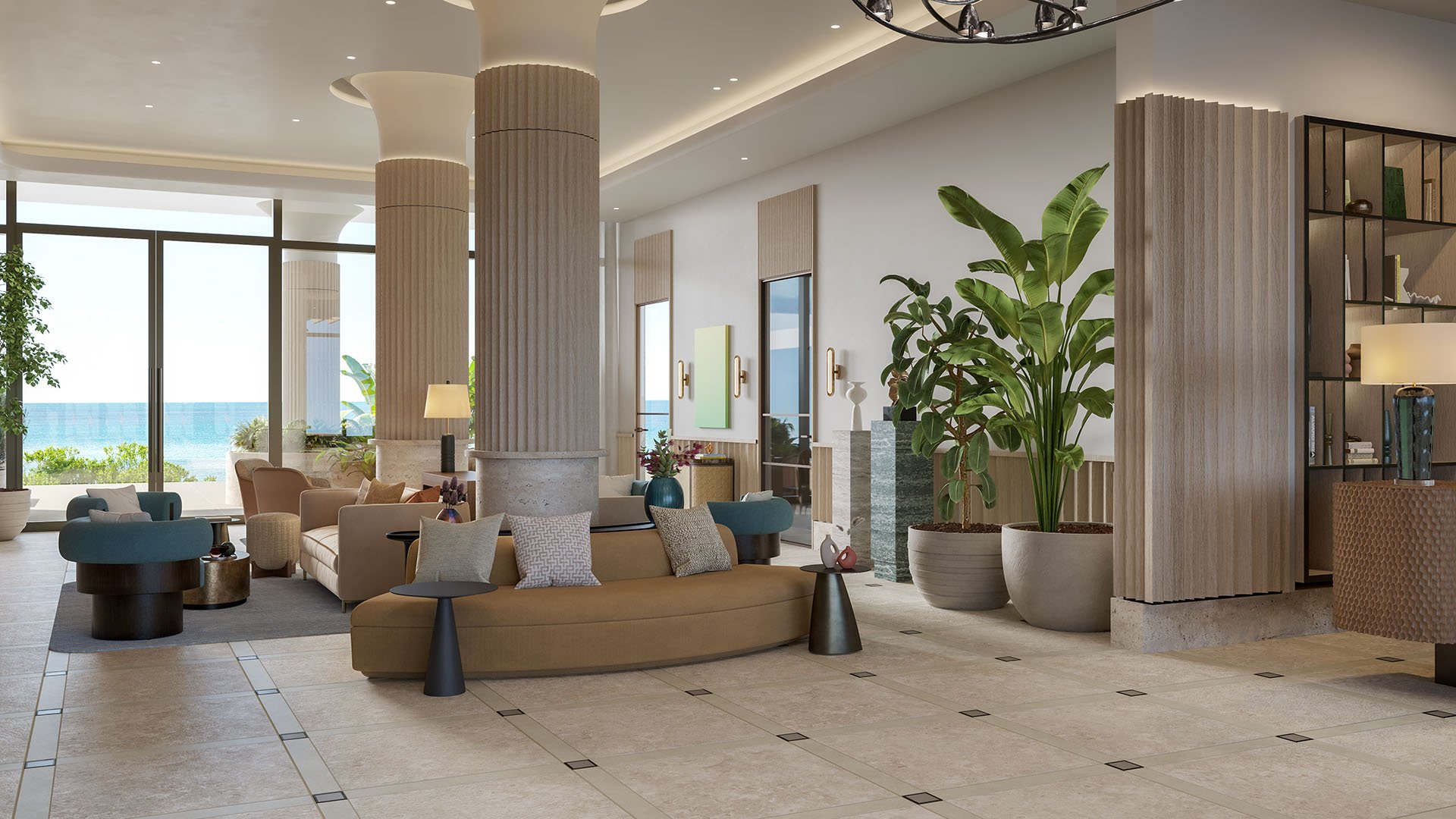
At Rosewood Residences Hillsboro Beach, the most sophisticated buyer is not merely asking which residence is available. The sharper question is which stack merits the commitment. In condominium language, a stack is the vertical line of residences that share the same floor plan and exposure within the building. It is one of the most consequential variables in the acquisition because it governs how a home receives light, frames views, protects privacy and functions over time.
For a buyer focused on South Florida oceanfront property, stack selection is not a decorative preference. It is a due-diligence exercise with lifestyle and financial consequences. Two residences in the same building can feel materially different if they occupy different vertical lines. One may capture stronger morning light, another may offer a more private orientation, while another may support a service pattern better suited to full-time staff, entertaining or seasonal use.
This is why Rosewood Residences Hillsboro Beach should be evaluated with the discipline usually reserved for art, yachts and operating assets. The address may be the same, but the lived experience can change meaningfully from stack to stack.
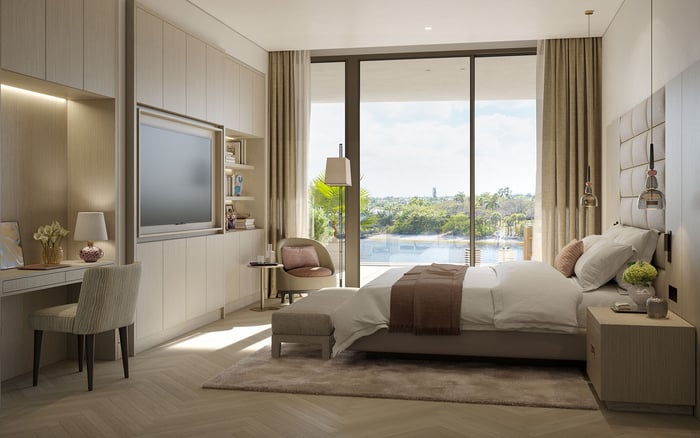
Light is often discussed abstractly, but stack selection requires a daily rhythm analysis. A buyer should understand how a residence feels in the early morning, midday and late afternoon, especially in an oceanfront setting where glare, shade and reflection can alter the temperament of the home.
The most compelling stack is not always the one that appears most dramatic in a single rendering or site visit. It is the one whose light supports the way the owner actually lives. A collector may value controlled illumination. A family may prefer softer daytime brightness in living areas. A seasonal owner may prioritize the hours when the home will be occupied most often.
A 2026 checklist should therefore ask practical questions. Which rooms receive the most consistent natural light? Does the exposure enhance breakfast, work, reading or entertaining? Does the stack create a calm interior condition, or does it require more mitigation through shades and interior planning? In the ultra-luxury category, comfort is not accidental. It is engineered through choices made before contract.
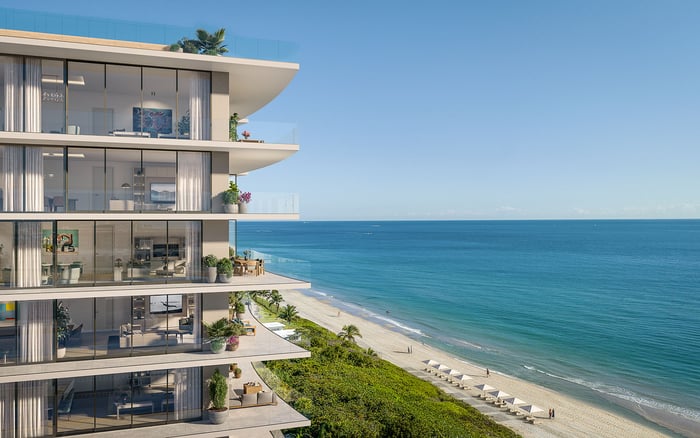
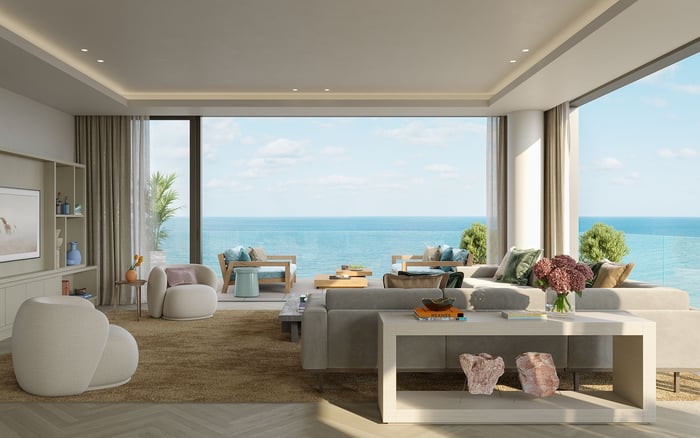
View is not a single asset. It is a composition. At Rosewood Residences Hillsboro Beach, view quality and exposure should be evaluated stack by stack, with attention to what is seen from the primary living room, the main bedroom, terraces and everyday circulation paths.
A strong view stack should be assessed for both immediacy and longevity. The immediate question is simple: what does the buyer experience when entering the residence, sitting down, waking up and entertaining guests? The longer-term question is more strategic: will the exposure remain desirable to a future buyer comparing options within the same building and across the broader oceanfront market?
Luxury buyers often overvalue a single cinematic perspective and undervalue consistency. A stack that delivers a more balanced view sequence may outperform a more theatrical alternative if it creates daily ease and enduring appeal. This is especially relevant for a second-home buyer who wants arrival impact without compromising livability.
Privacy is one of the least negotiable elements in high-value residential acquisition. Within a single development, different vertical lines may create different relationships to neighboring residences, shared circulation, approach angles and outdoor spaces. A stack that appears comparable on paper can feel more or less discreet depending on its position.
For ultra-high-net-worth buyers, privacy should be reviewed at multiple scales. First, assess privacy inside the residence. Are primary rooms positioned to feel sheltered? Does the terrace allow natural use without a sense of exposure? Second, assess privacy from the building perspective. How does the stack relate to entries, amenities, service movement and neighboring sightlines?
The goal is not isolation for its own sake. It is controlled visibility. The best stack allows an owner to enjoy the oceanfront setting while preserving the quiet confidence expected at this tier.
Service flow is a practical subject that becomes essential in a luxury residence. Different layouts and positions can affect how residents, staff, deliveries and operations move through the home. That movement determines whether the residence feels seamless or constantly interrupted.
A buyer should study how daily logistics work from first arrival to evening entertaining. Where do deliveries enter? How does housekeeping circulate? Can staff support a dinner or family weekend without crossing the most private areas of the home? Does the stack make the residence easier to manage when occupied seasonally?
These questions may seem operational, but they are central to refinement. In a residence designed for significant ownership, elegance depends on what guests do not see. The right stack supports quiet service, intuitive movement and the sense that the home can perform without friction.
By 2026, forward-looking stack selection should include climate resilience and regulatory-change exposure as part of ownership risk. This does not mean every buyer must become an engineer or policy analyst. It does mean the stack decision should be considered in the context of long-term stewardship.
A prudent buyer should ask how the position of a residence interacts with comfort, exposure and future adaptability. Oceanfront property is prized precisely because it occupies a rare edge condition, and that rarity deserves careful review. The question is not only how the home presents today, but how convincingly it can remain desirable under evolving expectations for resilient ownership.
Regulatory-change exposure is also part of the broader risk conversation. For luxury condominium ownership, rules, standards and market expectations can change over time. A stronger stack is one that should remain intuitive to future buyers even as diligence standards become more demanding.
Stack selection has immediate lifestyle implications, but it also affects long-term financial performance. Eventual resale liquidity should be considered before choosing a specific vertical line. In a building where buyers compare residences closely, the stack that explains itself quickly often has an advantage.
Liquidity is not only about price. It is about the depth of future demand. A stack with clear strengths in light, view, privacy and service flow gives a future seller a more persuasive narrative. A stack with compromises may still be appealing, but the discount or waiting period required to overcome those compromises can be meaningful.
For buyers using filters such as Hillsboro Beach, oceanfront, investment, new construction and second home, the best decision is rarely the most impulsive one. It is the stack that aligns personal use with future market readability. That combination is what separates acquisition from collecting keys.
Begin with the floor plan, but do not stop there. Compare the vertical line as a complete ownership proposition. The checklist should include daily light conditions, view quality, exposure, privacy, service flow, climate resilience, regulatory-change exposure and resale liquidity.
Then weigh each factor against the buyer’s actual use case. A primary resident may prioritize operational ease and privacy. A seasonal owner may focus on arrival experience and low-friction management. A legacy buyer may care most about long-term desirability and family use across generations. An investment-minded buyer should pay particular attention to how easily the stack can be understood by a future purchaser.
The most disciplined approach is to rank the factors before falling in love with a view. Once emotional preference enters the process, it becomes harder to evaluate trade-offs objectively. A stack may be beautiful and still not be the best acquisition for a particular owner.
Rosewood Residences Hillsboro Beach sits in a category where the buyer is likely to be patient, private and highly analytical. That buyer understands that the difference between a good residence and the right residence often lies in subtleties that become obvious only after careful comparison.
Stack selection is where those subtleties become measurable. It is where lifestyle, operations and long-term financial logic meet. The right stack should feel effortless on arrival, calm in daily use and credible in a future resale conversation. That is the standard a 2026 buyer should bring to the table.
What is a stack in a luxury condominium? A stack is the vertical line of residences that share the same floor plan and exposure within a building.
Why does stack selection matter at Rosewood Residences Hillsboro Beach? It can influence lifestyle quality, privacy, service flow, view experience and long-term financial performance.
Should buyers compare stacks before choosing a floor? Yes. The vertical line can be more important than floor height because it shapes daily light, exposure and livability.
How should light be evaluated? Buyers should consider morning, midday and late-day conditions, not just the impression from one visit or image.
Is the best view always the best stack? Not necessarily. A balanced view with privacy and functional flow may be more desirable than a single dramatic angle.
Why is privacy part of stack due diligence? Different stacks may relate differently to neighboring residences, terraces, circulation paths and shared areas.
What does service flow mean? It refers to how residents, staff, deliveries and household operations move through or around the residence.
Should climate resilience affect stack selection? Yes. A forward-looking 2026 buyer should consider resilience as part of long-term ownership quality.
How does regulatory change affect the decision? Regulatory-change exposure can influence future ownership expectations, so it belongs in a long-term risk review.
What makes a stack more liquid for resale? Clear strengths in light, view, privacy and functionality can make a residence easier for future buyers to understand.
If you'd like a private walkthrough and a curated shortlist, connect with MILLION.
If branded residences are on your mind — as a home or as an allocation — we would be glad to share what we are seeing, privately.
Begin a quiet conversation