A buyer-focused review of Oceana Bal Harbour’s glazing diligence: establishing warranty status, allocating replacement responsibility, confirming lead times, and documenting special-order coverage before closing.
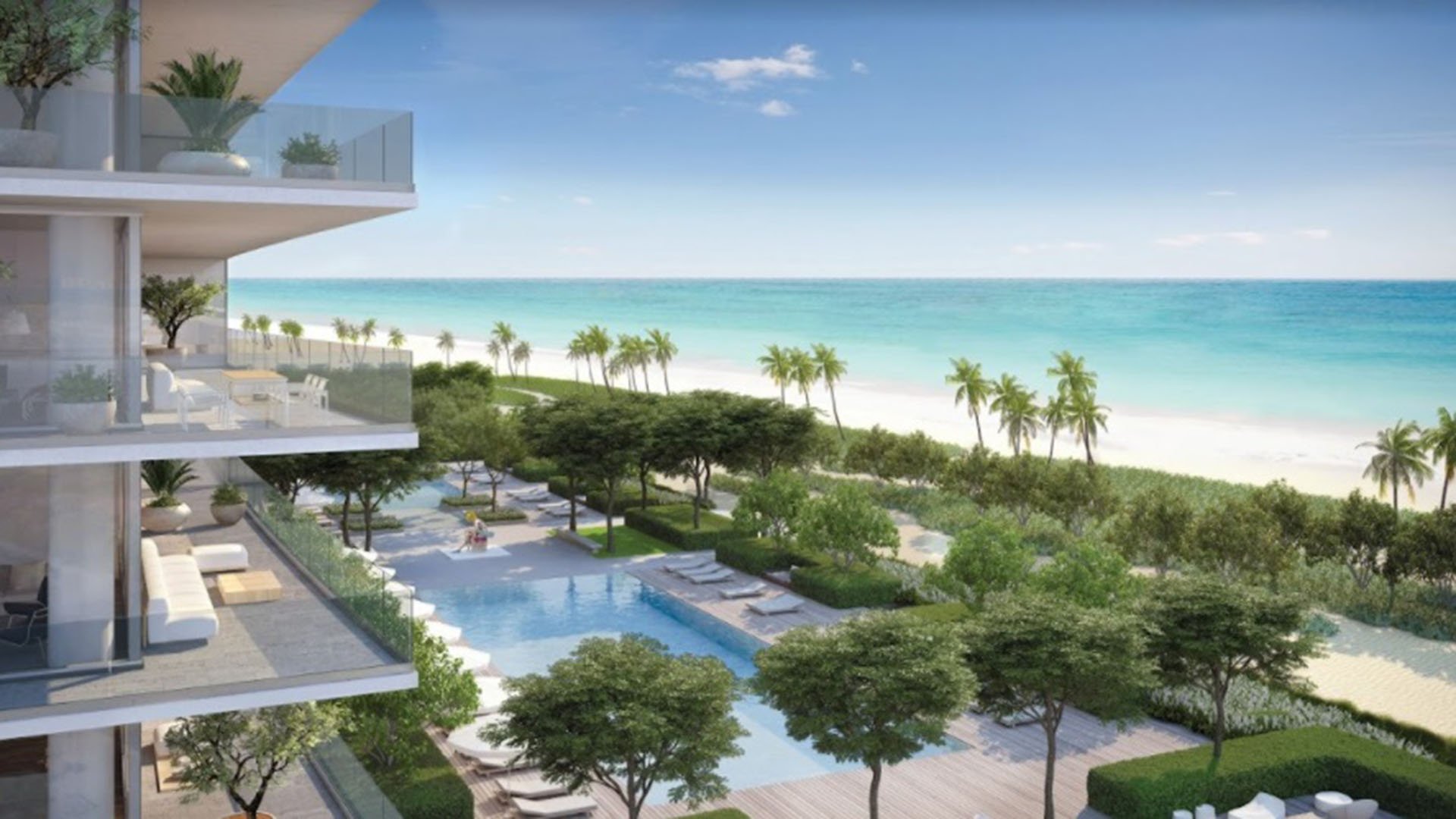
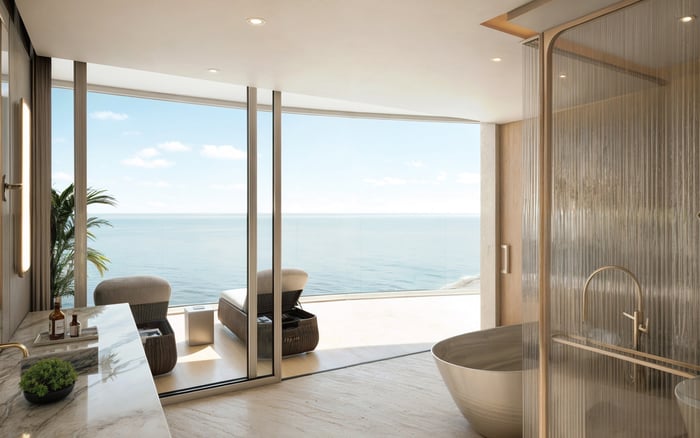
Floor-to-ceiling windows are part of the appeal of Oceana Bal Harbour. For a purchaser, however, the view and the glazing system warrant separate evaluations. The first is immediately apparent; the second requires documents establishing condition, responsibility, replacement availability, and the practical scope of any coverage.
The window-wall manufacturer, system model, warranty duration, replacement procedure, and spare-panel inventory remain unconfirmed. So does the existence of a separate, transferable window-wall warranty for an individual owner. These are unresolved diligence items, not evidence of a defect or unavailable coverage.
The central purchase question is precise: if a panel, seal, frame, or sliding-door component requires attention after closing, who must act, who must pay, and which documents support those answers?
A statement that the windows are “under warranty” should prompt a request for the actual warranty, not an assumption about its value. Ask for the warrantor, covered components, commencement and expiration dates, transfer provisions, exclusions, and claim procedure. Distinguish a manufacturer's promise from a developer obligation or a contractor's correction period.
Florida's statutory condominium framework provides an implied developer warranty for each unit lasting three years from completion of the building containing that unit. Those statutory warranties extend to successor owners, but a resale purchase does not start a fresh three-year period. Establish the remaining coverage for the particular property.
Certain roofs, structural components, and building-serving systems have different developer coverage periods: three years from completion or one year after nondeveloper owners take control, whichever is later, subject to a five-year maximum. Contractors and subcontractors provide a one-year implied warranty for other improvements and materials after completion of all construction, with longer periods for specified systems. Do not assume a particular glazing component falls within a longer-duration category without legal review.
Routine maintenance matters because statutory warranties are conditioned on it, except where maintenance was the responsibility of the developer or a developer-controlled association. Request maintenance records alongside warranty documents. The goal is written confirmation of applicable coverage and the facts supporting eligibility.
Begin with the declaration and its amendments when allocating maintenance and replacement duties. A broad reference to “windows” may not resolve every question about glass, frames, seals, tracks, hardware, sliding doors, or resulting interior damage.
The 2023 statutory maintenance framework generally assigns common-element maintenance to the association, subject to limited-common-element responsibilities allocated to owners by the declaration. It also ties responsibility for impact glass, code-compliant windows and doors, and hurricane-protection systems to that allocation. Have counsel confirm the applicable law before treating this framework as a current legal conclusion.
Whether Oceana's window-wall components are unit property, common elements, or limited common elements for these purposes remains unconfirmed. Request a component-by-component responsibility summary with the relevant declaration provisions attached. Separate the obligation to arrange work from the obligation to fund it, and ask how associated interior damage would be handled.
For a buyer also considering Rivage Bal Harbour, ask the same document questions without assuming that responsibility follows the same pattern. A shared location does not establish shared contractual obligations.
An Oceana-specific glass-replacement lead time remains unverified. Treat a verbal estimate as provisional until management or the glazing contractor supplies a written, component-specific schedule.
Start by requesting the original manufacturer and model, shop drawings, approved specifications, and any available spare inventory. Ask whether the required component remains available and whether an acceptable substitute has been identified. Confirm who approves substitutions and exterior matching before relying on an alternative product.
Then break the estimate into fabrication, permitting, access equipment, and installation. Ask when each stage can begin, which stages can overlap, and which approvals must be completed before an order is placed. A manufacturing estimate is not a schedule for completed work.
Buyers extending their search into Surfside, including Fendi Château Residences Surfside, can follow the same diligence sequence. Compare the clarity of written answers rather than assuming that neighboring properties use identical glazing systems or replacement arrangements.
“Covered glass” and “covered replacement” are not interchangeable assurances. Coverage for special-order replacement glass at Oceana remains undocumented. Ask for the language governing the proposed claim and the actual replacement scope.
Request separate explanations for manufacturing defects, accidental breakage, storm damage, and water intrusion. Review warranty exclusions and applicable insurance provisions rather than combining them into a single promise. Ask about special-order materials, deductibles, consequential damage, access equipment, installation, and restoration of affected interior finishes.
If an exact replacement cannot be obtained, ask how an approved substitute would be selected and whether any cost difference would be covered. Require written clarification before assuming that a custom order or matching requirement is funded.
This distinction is equally useful when comparing a potential purchase with Jade Signature Sunny Isles Beach. Compare documented responsibility and coverage, not unsupported judgments about which property offers stronger protection.
Consider a unit-specific glazing or building-envelope inspection. Ask the specialist to evaluate relevant glass, frames, seals, tracks, hardware, and sliding doors, and identify conditions that warrant further investigation. Inspection findings should guide document requests, not establish presumed warranty eligibility.
Request prior glazing and water-intrusion complaints, open claims, repair records, and relevant assessments. Ask which matters have been resolved and which remain outstanding. The absence of an obvious issue during a viewing is no substitute for reviewing the repair history.
Before authorizing work, confirm claim-notice requirements, contractor approval, and exterior-matching rules. Some construction warranties include correction or call-back periods that give the warrantor an opportunity to address an alleged defect. Have counsel review those procedures before commissioning repairs that could affect a claim.
The strongest diligence file brings together four answers: the system's condition, the party responsible for each component, any remaining coverage, and a realistic replacement pathway. Unresolved items deserve explicit treatment in the purchase review, not informal reassurance.
Ask counsel how the findings should affect contractual protections or closing decisions. Obtain applicable purchase documents, including any required property report, and read them before signing. A compelling residence becomes a more informed acquisition when its maintenance obligations are as clearly understood as its outlook.
For a discreet perspective on your South Florida property search, explore MILLION.
If branded residences are on your mind — as a home or as an allocation — we would be glad to share what we are seeing, privately.
Begin a quiet conversationPublicly available project information does not establish a separate, transferable window-wall warranty for individual owners. Request the actual warranty and its transfer provisions before relying on that assurance.
No. The three-year implied developer warranty for a unit runs from completion of its building, not from a subsequent purchase.
Florida's statutory condominium warranties extend to successor owners. That does not establish that coverage remains active for a particular resale unit.
Responsibility requires review of the recorded declaration, amendments, and applicable law. Oceana's public materials do not establish the maintenance and replacement classification of its window-wall components.
No verified Oceana-specific replacement lead time is established in the available public information. Obtain a written estimate separating fabrication, permitting, access equipment, and installation.
Documented special-order coverage is not established by the public project information. Review the applicable warranty and insurance provisions for materials, exclusions, deductibles, and related costs.
Request the manufacturer, system model, shop drawings, approved specifications, spare inventory, and acceptable substitutes. Confirm the approval process for exterior matching.
Statutory warranties are conditioned on routine maintenance, except where that responsibility belonged to the developer or a developer-controlled association. Records can help establish whether the applicable maintenance conditions were met.
Consider a unit-specific glazing or building-envelope inspection alongside repair records and prior complaints. An inspection can identify conditions requiring further investigation but does not establish warranty coverage.
Confirm responsibility, claim-notice procedures, contractor approval, and exterior-matching requirements. Some warranties allow the warrantor an opportunity to correct an alleged defect before other work proceeds.