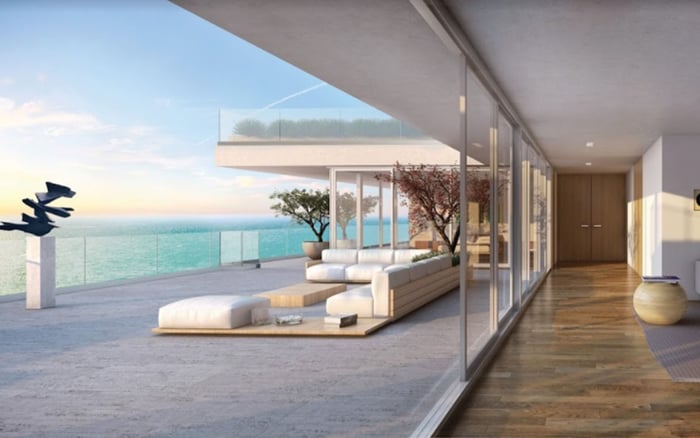
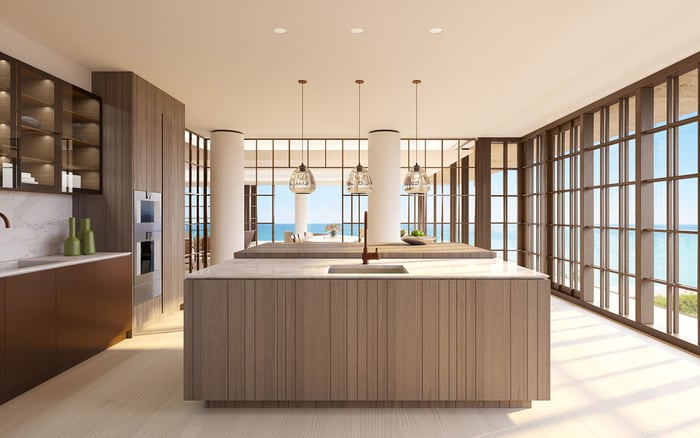
A collector’s residence deserves an operating plan as considered as its interiors. In Bal Harbour, that means coordinating measured light exposure, specialist-reviewed UV control, engineered installation, and collection-specific insurance before the first artwork arrives.
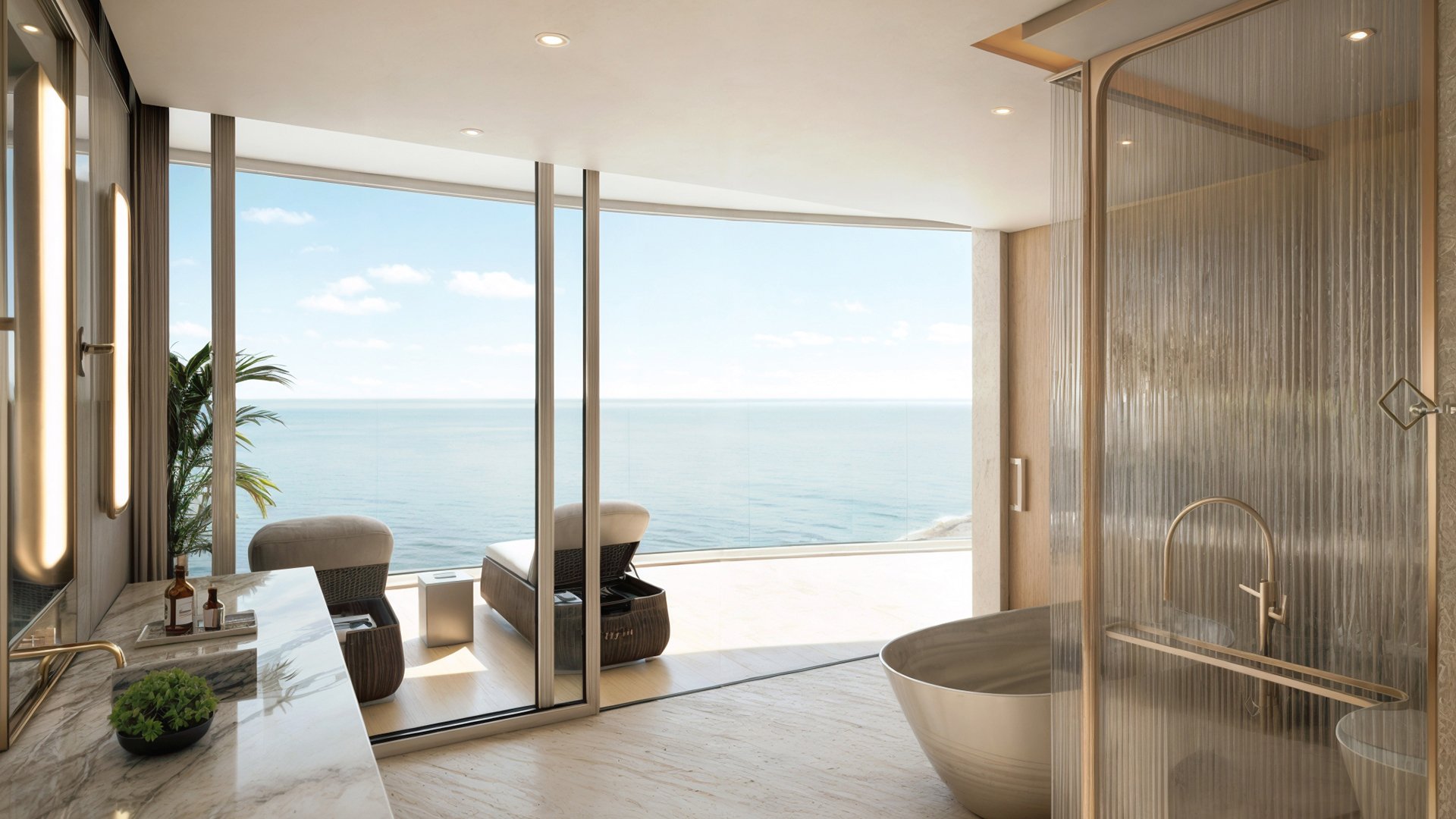
For a collector buying in Bal Harbour, the question is not simply where the art will hang, but how the residence will support the collection when the owner is entertaining, traveling, or changing the installation. Treat museum-grade as a design brief to substantiate, not a decorative description to accept.
The residence-management strategy should connect four decisions: how much light each object receives, how daylight and UV are addressed, how the work is physically supported, and how its value and movement are documented for insurance review. Resolve these together before finalizing interior finishes.
Whether considering Oceana Bal Harbour or another address, request a collection-specific review of the actual residence. A project name should never substitute for confirmation of glazing specifications, wall construction, installation permissions, or proposed lighting controls.
Start with an inventory the owner, conservator, designer, installer, and insurance adviser can work from. Record medium, dimensions, framed weight, condition documentation, intended location, and any existing handling instructions. Assign responsibility for closing gaps before installation rather than leaving the move-in team to make assumptions.
Next, classify proposed display locations by the questions they raise. Which walls need daylight measurements? Which objects require a conservator’s exposure recommendation? Which installations need structural review? Which pieces might move between residences? The answers turn the inventory into a practical brief without treating every object as if it had the same needs.
For a purchase at Rivage Bal Harbour, use that brief to guide residence-specific due diligence. Ask what can be inspected, what documentation is available, and which proposed alterations require approval. Treat every answer as specific to the residence and scope of work.
Light exposure is cumulative. An artwork receiving 200 lux for 200 hours accumulates approximately the same light dose as one receiving 100 lux for 400 hours. For a private residence, the implication is straightforward: display duration belongs in the lighting plan alongside brightness.
Highly light-sensitive materials commonly receive a 50-lux limit. These include works on paper, watercolors, textiles, photographs, feathers, and many dyed materials. Use that figure as a discussion point with the conservator, not a universal guarantee of safe display or a prescription for every object.
Ask the lighting designer to measure illumination at the artwork’s surface under the intended operating conditions. Request separate settings for viewing, entertaining, cleaning, and absence, with conservator-reviewed exposure limits guiding their use. An elegant scene should not quietly become an all-day default.
Give the residence manager a display calendar. Record operating hours and agree when sensitive works should be rested or rotated. Do not infer an annual exposure allowance from a brightness limit alone; request an object-specific recommendation and a practical way to track it.
Make UV performance a separate item in the design brief. Request documentation for existing glazing and any proposed film, shade, or framing treatment, then have the relevant specialists assess the complete arrangement. Do not accept the word “protective” without a clear explanation of what is being controlled.
Keep the cumulative visible-light budget in the same conversation. A UV-related specification should not stand in for a decision about brightness and display hours. Ask the conservator and lighting designer to identify the measurements and controls they want verified after installation.
If the search extends to Surfside and Arte Surfside, apply the same discipline to each proposed art wall. Request approval and compatibility review before selecting window treatments or films. Plan a default shade setting for periods of absence, and confirm who may override it and when it should be restored.
Wall loading should be a documented installation decision, not an estimate based on how substantial a surface looks. Give the qualified installer and, where appropriate, a structural engineer the artwork’s complete installed weight, dimensions, mounting arrangement, and proposed location.
Ask the team to verify the wall assembly, identify suitable support, and specify reinforcement and attachment details as needed. Do not borrow a capacity figure from another residence or select hardware solely by the artwork’s weight. Request written confirmation that the proposed assembly is appropriate for the particular installation.
Before finishes are completed, photograph approved reinforcement locations and retain the installation drawings. Coordinate proposed penetrations with the responsible building and design professionals. For sculpture, request a separate review of placement, base, and support requirements rather than treating the object as ordinary furniture.
The handover file should identify the approved installer and set out the procedure for rehanging or relocation. Give staff clear instructions to seek approval before changing hardware or moving a significant work.
Arrange an insurance review while the collection plan is still taking shape. Ask the adviser to explain the proposed policy’s valuation basis, documentation requirements, limits, deductibles, exclusions, and conditions in writing. A general assurance that art is covered should not end the discussion.
Use specific scenarios: a newly purchased work awaiting installation, a piece traveling between residences, an object held in storage, or damage discovered after handling. Ask how the proposed wording addresses each situation and whether any action, disclosure, or endorsement is needed. Request explicit clarification of storm, water, and absence-related terms rather than assuming an outcome.
For an owner evaluating The Surf Club Four Seasons Surfside, the insurance brief should remain tied to the individual collection and residence, not expectations associated with the address. Keep valuations, condition photographs, invoices, and movement records accessible to authorized people, with access controlled for privacy.
Finish with a concise operating manual, not a folder of disconnected specifications. Include approved lighting scenes, shade settings, display schedules, installation records, insurer contacts, and a clear authorization chain for handling or relocation. Establish who checks the settings after cleaning, maintenance, or a private event.
Before the first installation, bring the relevant specialists together to review the completed rooms against the brief. Verify the agreed measurements, document unresolved items, and confirm insurance arrangements before authorizing delivery. Repeat the relevant review when the collection or room layout changes.
The objective is not to make the home feel institutional. It is to make stewardship discreet, repeatable, and compatible with daily life, so the collection can be enjoyed in a deliberately managed environment.
Explore a collection-conscious approach to your next South Florida residence with MILLION.
If branded residences are on your mind — as a home or as an allocation — we would be glad to share what we are seeing, privately.
Begin a quiet conversationTreat it as a brief requiring object-specific exposure recommendations, measured illumination, and documented operating settings, rather than a description of a fixture.
Light exposure is cumulative. At 200 lux for 200 hours, an artwork receives approximately the same light dose as at 100 lux for 400 hours.
Highly light-sensitive materials include works on paper, watercolors, textiles, photographs, feathers, and many dyed materials. Confirm the appropriate limit and display schedule with a conservator.
Do not infer an annual allowance from brightness alone. Ask a conservator to recommend exposure limits and display duration for the particular object.
Request specifications for the glazing and proposed treatments, then seek specialist review of the complete arrangement. Keep brightness and display hours in the same planning discussion.
Have qualified professionals review the installed weight, mounting arrangement, wall assembly, and support requirements. Obtain installation-specific details rather than relying on a generic hardware rating.
Request a review of its proposed location, base, and support requirements. Include any approved installation details in the residence’s handover file.
Ask about valuation, documentation, limits, deductibles, exclusions, and conditions. Request written clarification of scenarios involving transit, storage, handling, storms, water, and owner absence.
Keep the inventory, condition photographs, valuations, installation drawings, approved lighting settings, and movement records together. Restrict access to authorized people.
No such assumption should guide the purchase. Request residence-specific verification of glazing, wall construction, installation permissions, and proposed controls.