A primary-residence move to Key Biscayne requires more than a well-timed closing. Coordinate January 1 homestead eligibility, portability, insurance occupancy and flood coverage with the household’s school calendar to create a transition that works on paper and in daily life.
A primary-residence move to Key Biscayne is both a lifestyle decision and a coordination exercise. The purchase may close on one date, the household may arrive on another, and insurance and school arrangements may follow separate schedules. The objective is not simply to own the residence before year-end. It is to align actual use, tax eligibility and coverage with the life the family intends to lead.
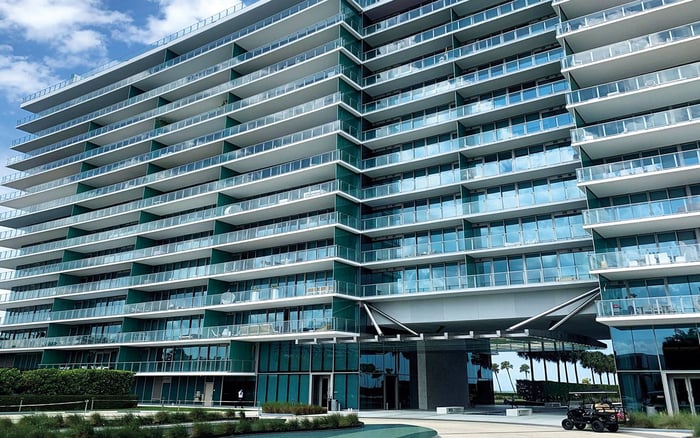
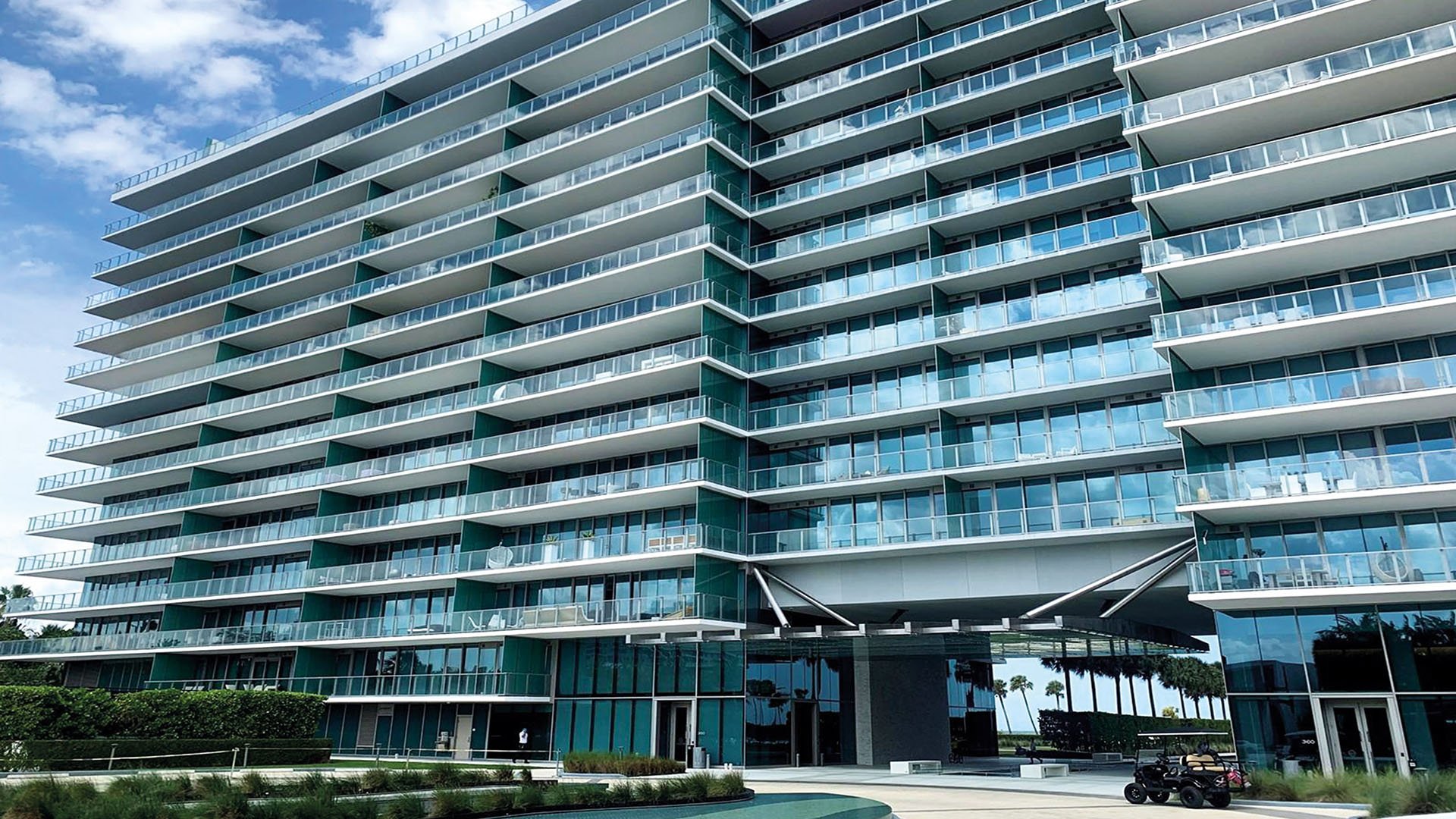
For a buyer considering Oceana Key Biscayne, the address belongs within a broader transition plan: when the home becomes a permanent residence, how it will be occupied, and when children can move without unnecessary disruption. Treat those questions as parallel decisions, not details to resolve after closing.
For a planned 2027 homestead exemption, the essential dates are January 1, 2027, for qualifying permanent Florida residency and March 1, 2027, for the standard application deadline. The dates serve different purposes: January 1 concerns eligibility; March 1 concerns filing. A timely application does not substitute for meeting the underlying residency requirement.
Closing before January 1 does not, by itself, establish permanent residency. A household that acquires a property in December but postpones its permanent move should review eligibility before assuming the exemption will apply for 2027. Ownership and residency are not interchangeable milestones.
Start with the intended date of permanent residence and work backward. Discuss the household’s circumstances with the county property appraiser and appropriate advisers before committing to a schedule that depends on a particular tax outcome. Then reserve time for the application. Confirm eligibility first and manage paperwork second; do not expect the filing process to resolve an uncertain move date.
A move from an existing Florida homestead introduces another issue: portability. The homestead exemption itself is not transferable. All or part of the Save Our Homes assessment difference, however, may be portable to another Florida homestead. That distinction matters when comparing the financial implications of staying, selling and establishing a new permanent home.
Portability uses a three-tax-year window tied to January 1 of the last qualified homestead year-not a rolling three years measured from the sale date. A transaction calendar built around the sale alone can therefore misrepresent the time available.
To request portability, file Form DR-501T with the new home’s homestead application, Form DR-501, through the county property appraiser. Before relying on an anticipated benefit, confirm the household’s specific eligibility and timing.
For families weighing Key Biscayne against Coconut Grove, including Park Grove Coconut Grove, this review belongs alongside the residence comparison. A preferred floor plan and a preferred move date are separate decisions. Evaluate portability against the actual qualifying timeline for the chosen home.
Tax homestead eligibility and insurance occupancy classification are separate tests. For Citizens coverage, a primary residence is the policyholder’s primary home occupied for more than nine months annually, or a leased property serving as the tenant’s primary home for more than nine months annually. That definition should not be substituted for the January 1 homestead requirement.
For a household dividing time among residences, the distinction is consequential. A purchase intended to become the family’s principal home may still involve a transition period with different occupancy patterns. Describe that plan accurately to the insurance adviser rather than assuming that primary residence carries one universal meaning.
Ask how the intended move, interim use and annual occupancy affect the proposed policy. If the schedule changes, revisit the discussion before relying on the original classification. The purpose is not to make the household fit a label, but to ensure that coverage reflects its actual use.
Citizens coverage does not include flood insurance. Where qualifying flood coverage is required, it must be obtained separately through the National Flood Insurance Program or an authorized private insurer. Most new and renewing Citizens personal residential policies that include wind coverage must maintain flood insurance under a phased schedule culminating on January 1, 2027.
For affected properties outside Special Flood Hazard Areas, the 2026 phase-in threshold is Coverage A of $400,000 or more. This is a policy coverage threshold, not a purchase-price threshold. Separate requirements apply to affected homes in Special Flood Hazard Areas, including zones such as A, AE and V. Confirm the property’s circumstances and the policy’s applicable requirements rather than relying on a neighborhood-level assumption.
Where the requirement applies, qualifying flood-coverage documentation and a completed policyholder affirmation are necessary. Include both in the insurance plan and assign responsibility before the relevant policy deadline.
The mandatory flood-purchase rule excludes condominium unit-owner policies, tenant-content policies and policies without windstorm or hail coverage. Those exclusions are not a complete statement of private-carrier, lender or condominium-association requirements. Nor do they establish that flood protection is unnecessary. A condominium buyer needs a policy-specific review, not a blanket conclusion based on property type.
The 2026-27 public-school calendar for Miami-Dade County should anchor planning around terms and scheduled breaks. Use it to identify potential transition periods, then confirm the receiving school’s arrangements directly. A convenient break is a planning opportunity-not confirmation that enrollment or a particular start date is settled.
Do not assume every school follows the same schedule. For a private-school move, confirm the relevant calendar separately. In either case, keep the children’s transition date distinct from the closing date and the date the household establishes permanent residence.
A family also considering Brickell, perhaps Una Residences Brickell, should apply the same discipline to each option. Compare how the proposed move works with the school calendar without allowing a preferred school transition to become an unsupported assumption about homestead eligibility.
A useful move plan gives each milestone its own line: closing, qualifying permanent residency, homestead filing, portability review, insurance occupancy, flood documentation and school transition. Some may coincide; none should be assumed to do so automatically.
Before finalizing the schedule, resolve any conflict between the intended January 1 residency position and a later household move. Confirm insurance requirements independently, and keep school arrangements subject to direct confirmation. This is the quieter form of resilience: a residence selected with care, supported by a transition plan that respects both regulatory deadlines and family life.
For a considered approach to your next South Florida residence, explore MILLION.
If branded residences are on your mind — as a home or as an allocation — we would be glad to share what we are seeing, privately.
Begin a quiet conversationCoordinate qualifying permanent Florida residency on January 1, 2027, with the standard March 1, 2027, application deadline.
No. Closing alone does not satisfy the permanent-residency requirement, so a delayed permanent move should be reviewed before assuming eligibility.
The exemption itself is not transferable. All or part of the Save Our Homes assessment difference may be portable to another Florida homestead.
It uses a three-tax-year window tied to January 1 of the last qualified homestead year, not a rolling three years from the sale date. Confirm the household’s specific eligibility.
File Form DR-501T with the new home’s homestead application, Form DR-501, through the county property appraiser.
It is the policyholder’s primary home occupied for more than nine months annually, or a leased property serving as the tenant’s primary home for more than nine months annually. This is separate from tax homestead eligibility.
No. Qualifying flood insurance must be obtained separately through the National Flood Insurance Program or an authorized private insurer.
For affected properties outside Special Flood Hazard Areas, the 2026 threshold is Coverage A of $400,000 or more. The phased schedule for most new and renewing personal residential policies with wind coverage culminates on January 1, 2027.
Condominium unit-owner policies are excluded, as are tenant-content policies and policies without windstorm or hail coverage. This does not resolve private-carrier, lender or condominium-association requirements.
Use the Miami-Dade County Public Schools 2026–27 calendar to plan around terms and breaks, and confirm receiving-school arrangements directly. Confirm private-school calendars separately and keep school timing distinct from homestead eligibility.