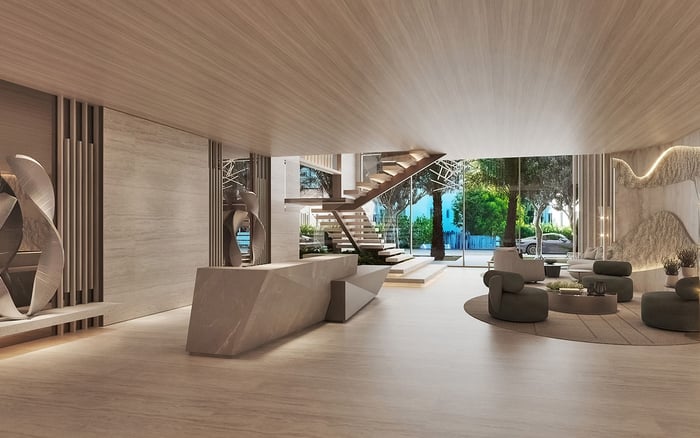
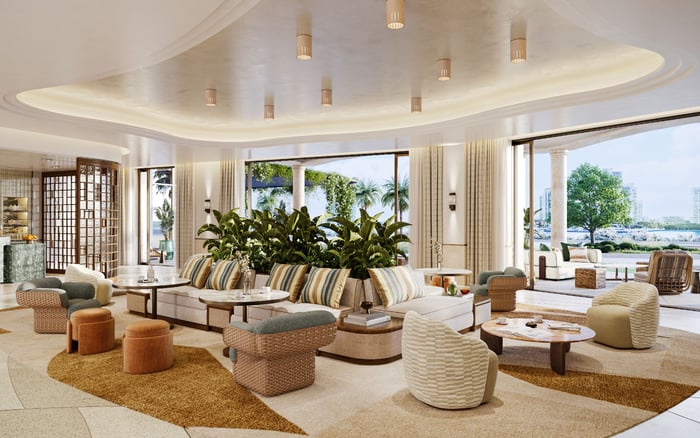
For families with school-age children, the better South Florida residence is rarely defined by amenities alone. The more durable choice balances polished service with privacy, daily predictability, school rhythms, and a home environment that can remain calm during the busiest years of family life.
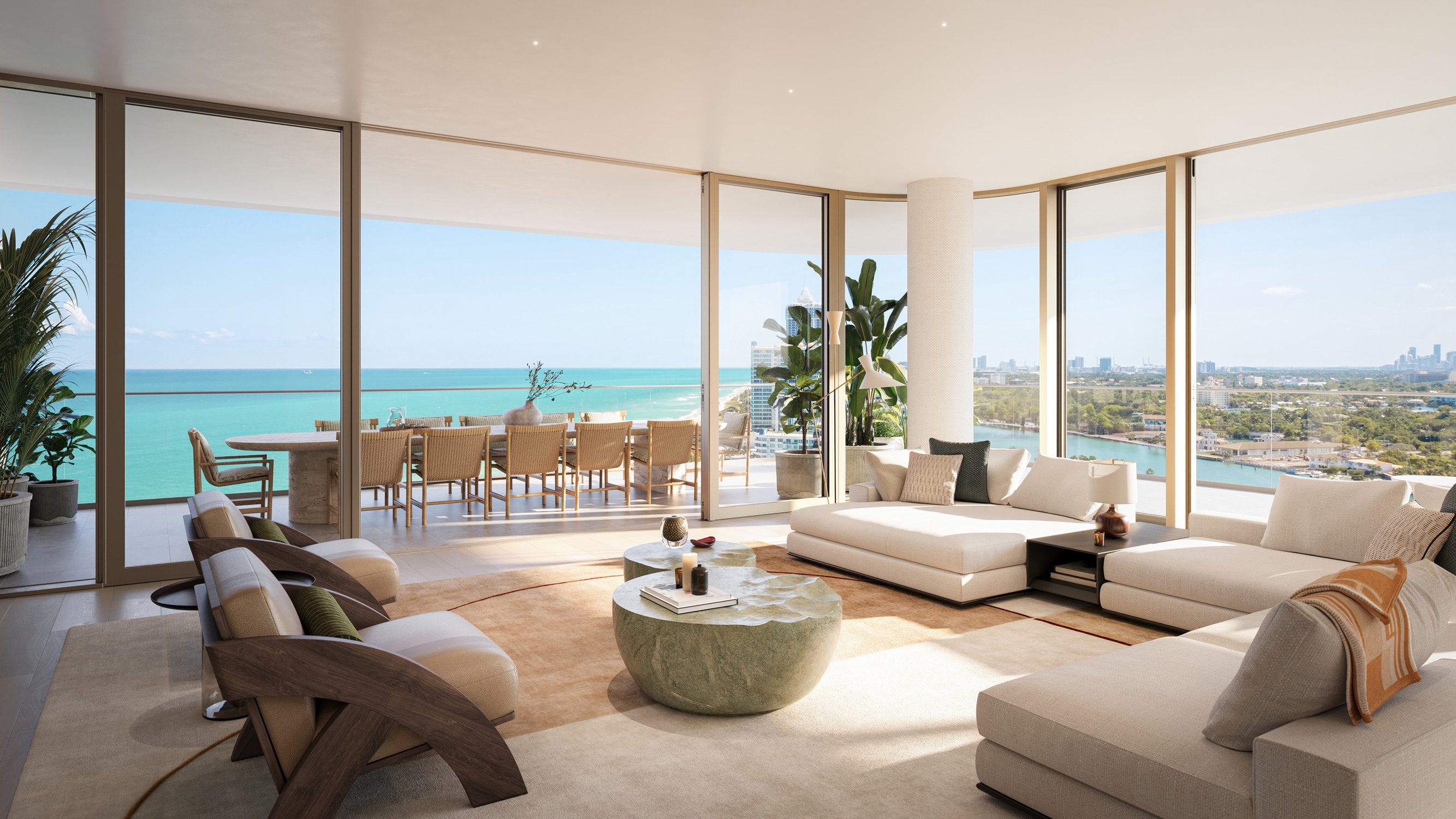
For buyers with school-age children in South Florida, the familiar comparison between resort services and home-like discretion can be too simplistic. The decision is not merely whether a residence offers more staff, more pools, more lounges, or a more elaborate arrival sequence. The more consequential question is how well a property supports the rhythm of family life from Monday morning through Sunday night.
A school-age household moves differently from a second-home couple, a seasonal owner, or an empty-nester seeking full-service ease. There are backpacks, tutors, sports bags, grandparents, birthday dinners, friends, drivers, and moments when a child needs quiet more than spectacle. There are also mornings when valet efficiency, package handling, maintenance response, and a thoughtful front desk can separate composure from chaos.
That is why the best answer is rarely absolute. Resort services matter when they reduce friction. Home-like discretion matters when it protects privacy, focus, and emotional ease. The strongest residence offers both, while allowing the family to decide how visible or invisible each layer should be.
Resort-level services can be deeply practical for families when they are designed around daily needs rather than performance. A polished arrival, a responsive building team, organized maintenance, and predictable common-area management can save time for parents coordinating school, work, travel, and household help.
In a vertical residence, service becomes especially valuable because the family’s front door is only one part of the daily experience. Elevators, lobby flow, parking, visitors, deliveries, pet movement, and amenity access all shape how a child experiences home. A well-run building can make those transitions feel seamless.
For a Brickell family, a project such as The Residences at 1428 Brickell may enter the conversation because some buyers want a city address that can still support a composed domestic routine. The question is not whether an urban residence can feel family-friendly. It is whether the service layer is calm, consistent, and discreet enough to make city living easier rather than louder.
Resort services are most persuasive when they are operational, not theatrical. Parents tend to value reliability over novelty: a smooth handoff for a guest, a quick response to a household issue, a lobby that feels secure without feeling severe, and amenity spaces that do not overtake the family’s private life.
Home-like discretion gains importance as children move from the early school years into adolescence. Younger children may respond to pools, play spaces, and visible energy. Older children often need privacy, routine, and the ability to move through home without feeling observed.
This is where a residence’s tone matters. A family may admire a glamorous amenity program, yet ultimately prefer a building where the elevator ride is quiet, the lobby is understated, and the private residence feels like a retreat rather than an extension of a hotel. Discretion is not the absence of service. It is service delivered with restraint.
In neighborhoods with a more residential tempo, buyers may look toward settings such as Coconut Grove, where Four Seasons Residences Coconut Grove can be considered within a broader conversation about privacy, greenery, and day-to-day family ease. The appeal is not simply the brand or the address. It is the possibility of combining elevated service with a softer domestic atmosphere.
A discreet residence also protects the family’s social life. Children have friends over. Parents host casually. Relatives stay for weekends. Household staff may come and go. The right property allows all of this to happen without turning the home into a stage.
A serious family buyer should mentally walk through an ordinary school day before falling in love with a view or a finish package. Where do children enter after practice? Where do wet towels, instruments, tennis bags, uniforms, and school projects land? Can a tutor work without taking over the main living room? Is there a quiet place for reading while dinner is being prepared?
The most successful residences tend to separate public polish from private function. A dramatic living space can be wonderful, but families also need storage, acoustical comfort, secondary work zones, flexible bedrooms, and a kitchen that supports both quick meals and slower evenings. In South Florida, terraces and outdoor spaces can become an extension of family life, but only if they feel usable, shaded, and integrated rather than ornamental.
For Miami Beach buyers, The Perigon Miami Beach may be part of a broader search for a residence that balances coastal presence with a private family routine. Families should consider not only the beauty of a waterfront lifestyle, but also the daily choreography behind it: morning departures, weekend guests, after-school decompression, and the ability to close the door to the world.
For school-age children, the residence is only one part of the family ecosystem. The surrounding neighborhood shapes commutes, friendships, dinner habits, errands, weekend rituals, and the practical radius of independence as children get older.
Some families want urban proximity, especially when parents work in the city or travel frequently. Others prefer a village-like environment where daily life feels more contained. Some value beach access, while others prioritize a quiet street, a familiar café, or proximity to extended family. The right answer depends on the household’s routines, not on a universal hierarchy of prestige.
Bay Harbor buyers, for example, may find Onda Bay Harbor relevant when the goal is a more intimate residential setting within South Florida’s larger luxury map. Boca Raton buyers considering Alina Residences Boca Raton may be weighing a different daily rhythm altogether, one shaped by space, routine, and a more measured pace.
In each case, the project name is less important than the family test. Does the location make mornings easier? Does it support friendships and after-school life? Does it feel safe, calm, and dignified when the household is at its busiest?
For families with school-age children, resort services and home-like discretion should not be treated as opposites. The ideal residence uses service to remove burdens, then uses design and privacy to restore calm.
A building with abundant services but little discretion can feel exhausting. A highly private residence with too little support can create operational strain for parents. The best properties occupy the middle ground: staff when needed, privacy when desired, amenities that serve real life, and architecture that lets a family live beautifully without performing luxury every day.
The smartest buyers ask less about the longest amenity list and more about control. Can the family choose when to engage? Can children move comfortably? Can parents host, work, rest, and manage the household without constant exposure? Can the residence feel special on Friday night and practical on Monday morning?
For this buyer profile, discretion often wins emotionally, while resort services win operationally. The residence that delivers both, quietly and intelligently, is the one most likely to remain satisfying through multiple school years.
Do families with school-age children usually need resort-style services? They benefit from services when those services simplify daily logistics, but the value depends on how quietly and consistently they are delivered.
Is home-like discretion more important than amenities? For many families, discretion becomes more important over time because children need privacy, calm, and predictable routines.
Should buyers prioritize the building or the neighborhood? Both matter, but the neighborhood often shapes the school-day rhythm more than the amenity deck.
Can a high-service condo still feel like a private home? Yes, if the service culture is restrained and the residence has enough separation between public arrival and private family space.
What should parents evaluate during a showing? They should picture an ordinary weekday, including school departure, homework, meals, guests, storage, and quiet time.
Are branded residences a good fit for families? They can be, provided the brand experience supports family life rather than making the home feel overly public.
Does Brickell work for buyers with children? Brickell can work when parents want urban convenience and the residence supports privacy, access, and reliable daily flow.
Why do some families prefer Coconut Grove or Boca Raton? Some buyers favor a softer residential pace, more routine, and a setting that feels naturally domestic.
Should a family choose the project with the most amenities? Not necessarily. The better choice is the residence whose amenities are useful, well managed, and easy to opt in or out of.
What is the best way to shortlist comparable options for touring? Start with location fit, delivery status, and daily lifestyle priorities, then compare stacks and elevations to validate views and privacy.
For a discreet conversation and a curated building-by-building shortlist, connect with MILLION.
If branded residences are on your mind — as a home or as an allocation — we would be glad to share what we are seeing, privately.
Begin a quiet conversation