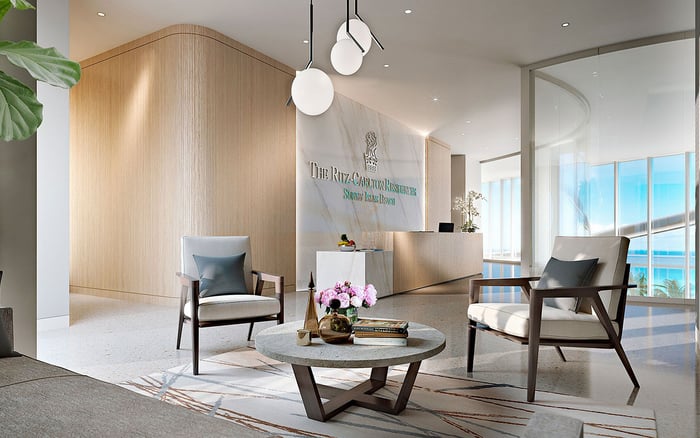
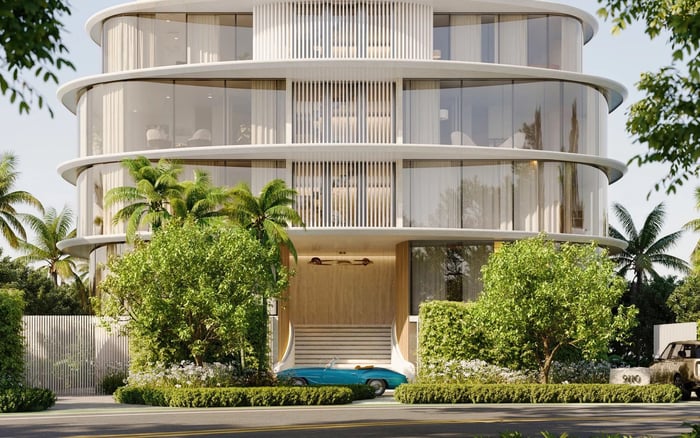
A collector’s residence deserves more than beautiful display walls. In Surfside, a disciplined plan brings together work-specific lighting, measured UV control, professionally reviewed mounting, and carefully confirmed collection insurance.
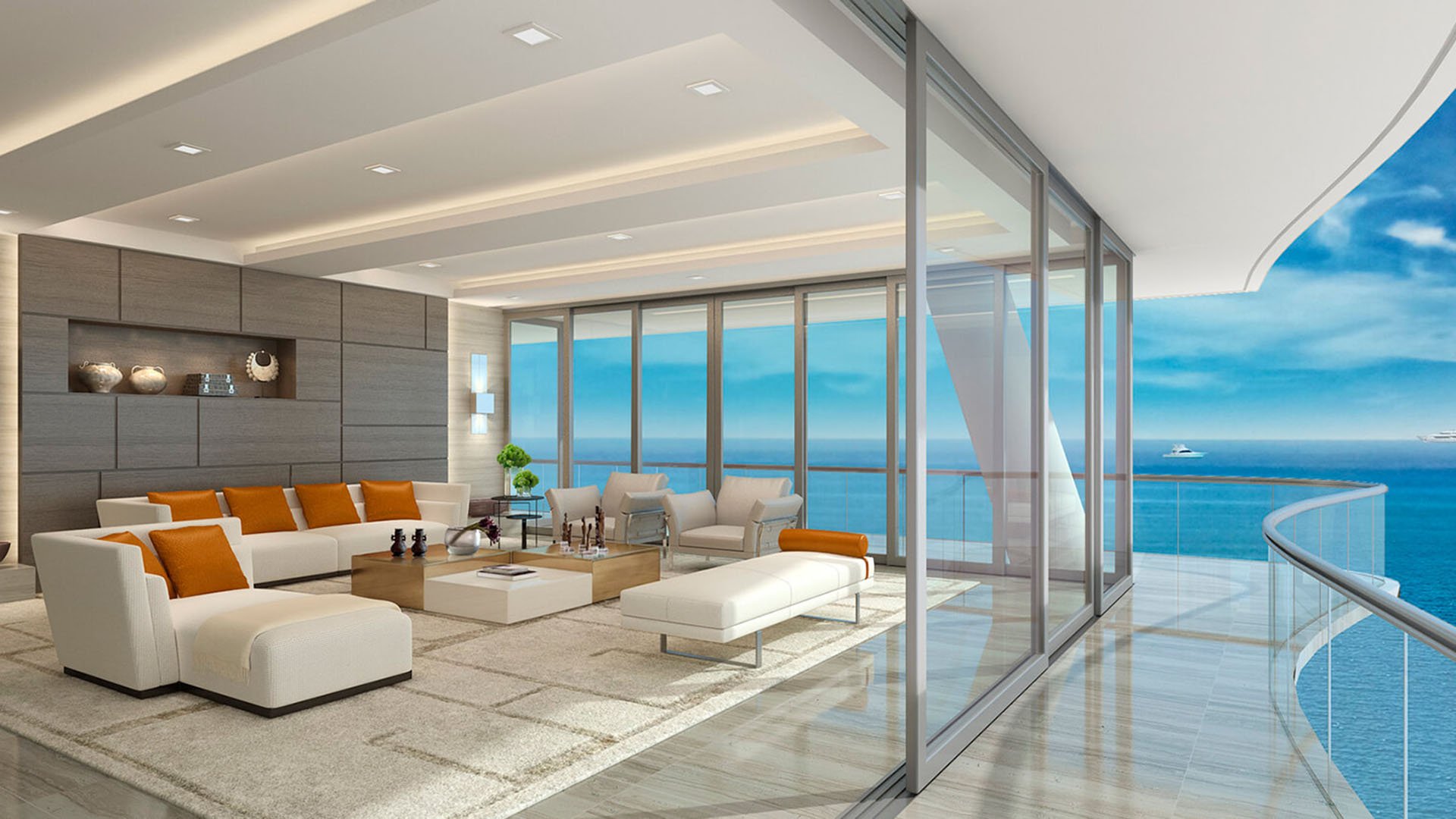
For a collector considering Surfside, the most consequential design decisions may be those that disappear into the finished interior: controlled daylight, accurately rendered color, professionally reviewed mounting, and insurance that reflects how the collection is used. Museum-grade care is not a fixture label. It is a coordinated approach to display and residence management.
Whether evaluating Arte Surfside or reconsidering an existing home, begin with the works rather than the walls. Prepare an inventory of materials, dimensions, condition, proposed placement, and handling needs. Ask a conservator to assess sensitivity before the interior scheme assigns every object a permanent position. Treat the recommendations below as conservation guidance and planning questions-not residential code requirements or assurances against damage.
Light damage is cumulative and irreversible. Lower illumination reduces risk but does not establish a completely safe exposure level. The objective is to make the collection legible and compelling while limiting unnecessary exposure.
For sensitive works, including paper, watercolors, photographs, and textiles, 50 lux is a recommended maximum. Oil, tempera, and acrylic paintings may tolerate illumination up to 200 lux, depending on materials and condition. Paintings containing light-sensitive dyes or lake pigments warrant the more restrictive 50-lux guideline, not a generic painting limit.
Some relatively light-insensitive materials may be displayed at up to 300 lux. That allowance should not automatically extend to composite objects with sensitive components. Assess a mixed-media work for everything it contains, not simply its dominant medium.
This distinction matters when planning a residence at Fendi Château Residences Surfside: the question is not whether the room looks suitably dramatic, but whether each proposed display location can meet the individual work’s lighting brief. Do not assume the property’s existing lighting meets that brief.
UV filtration and visible-light control belong in the same plan, but they are not interchangeable. UV-filtering window film does not eliminate fading caused by visible light. Keep paintings out of direct sunlight, and use shading or window treatments to reduce daylight exposure.
For sensitive collections, 0-10 microwatts per lumen, written as µW/lm, is an ideal UV range and is readily achievable with modern technology. The maximum guideline of 75 µW/lm should not become the preferred design target when lower exposure is achievable. For paintings, aim for no UV exposure where possible.
When considering Ocean House Surfside, ask the design team to test candidate art locations under different daylight conditions rather than relying on a single viewing. Request separate measurements of visible illuminance and UV, with the intended window treatments in place. Review any proposed film or shading intervention with the appropriate property team before implementation.
Specify excellent-quality lighting with a color rendering index, or CRI, of at least 90 and an R9 value of at least 90. R9 addresses the rendering of saturated reds. A purchase-time Duv between −0.003 and +0.003 helps limit greenish or pinkish color casts.
These specifications address visual quality; they do not override an artwork’s exposure limit. Request product information for all three measures, then review the effect on the actual collection with the conservator and lighting designer.
Measure illuminance at the artwork with a lux meter, and assess UV separately. Fixture wattage is not a conservation measurement. During commissioning, record readings under the lighting scenes and shading positions the household expects to use. Establish regular illumination monitoring, and consider rechecking after changes to fixtures, artwork placement, or window treatments.
A beautifully dimmed room can still deliver substantial exposure if its art lighting remains on for long periods. Manage sensitive works by both illumination and display duration, with limits selected for their materials and condition.
At 50 lux for two hours daily, exposure totals 36,500 lux-hours over a 365-day year. This is an exposure calculation, not a universally safe annual allowance. It illustrates why operating hours deserve the same attention as a dimmer setting.
Consider separate lighting scenes for viewing and for periods when the residence is unoccupied. Ask the conservator whether particularly sensitive works would benefit from shorter display periods or rotation. Give the residence manager a written schedule rather than expecting staff to infer the collection’s requirements from the room’s appearance.
For a buyer evaluating The Delmore Surfside, collection planning should include a mounting review before committing to a particular wall. The same discipline applies to an existing residence. A polished finish does not establish a wall’s suitability for a heavy object.
For the specific project, ask a qualified engineer and art installer to review the actual wall assembly, the complete framed object’s weight, mounting geometry, and proposed fixing locations. Have them determine whether backing, reinforcement, or another mounting approach is appropriate. Do not select anchor specifications from a general article or assume that decorative panels provide structural support.
Ask building management which approvals and installation procedures apply, and seek professional advice on proposed restraints or storm-preparation measures. Surfside’s Building Department is the local contact for building and permitting questions at 9293 Harding Avenue, Surfside, FL 33154, telephone 305.861.4863. That contact does not establish a particular property’s drilling rules or certify a mounting design.
Collection insurance requires a separate conversation from conservation and engineering. Ask a qualified insurance adviser to review the actual policy wording against the collection inventory and its proposed use. Do not presume that a residential policy addresses every artwork or circumstance.
Discuss valuation documentation, applicable limits and deductibles, exclusions, and treatment during installation, transport, storage, or temporary relocation. Ask specifically how water-related events and storm-related circumstances are addressed. These are review questions to resolve in writing, not promises of coverage.
Request advice on appraisal updates rather than adopting a universal interval. Consider maintaining a residence-management file with inventory photographs, condition documentation, mounting records, lighting readings, and insurance correspondence. Assign responsibility for updating it when works move or the collection changes.
The result should be an interior that feels effortless because its decisions are deliberate: each work has an appropriate location, a measured lighting plan, a reviewed installation, and clearly understood insurance terms.
Explore residences suited to a collection-led brief with MILLION.
If branded residences are on your mind — as a home or as an allocation — we would be glad to share what we are seeing, privately.
Begin a quiet conversationA maximum of 50 lux is recommended for sensitive collections, including works on paper, watercolors, photographs, and textiles. It reduces risk but does not guarantee freedom from damage.
No. Oil, tempera, and acrylic paintings may tolerate up to 200 lux depending on materials and condition, while light-sensitive dyes or lake pigments warrant the more restrictive 50-lux guideline.
No. Visible light can still cause fading, so UV filtration must be paired with control of daylight intensity and exposure duration.
For sensitive collections, 0–10 µW/lm is an ideal range. For paintings, aim for no UV exposure where possible.
Excellent-quality lighting has CRI and R9 values of at least 90, with purchase-time Duv between −0.003 and +0.003. These color-quality specifications do not replace exposure limits.
Measure illuminance at the artwork with a lux meter and assess UV separately. Fixture wattage is not a conservation measurement.
Not universally. It is the calculated exposure from 50 lux for two hours daily over 365 days, not a guarantee of safety for a particular work.
Ask a qualified engineer and art installer to review the wall assembly, framed weight, and proposed mounting design. Confirm applicable procedures with building management before installation.
Surfside’s Building Department is located at 9293 Harding Avenue, Surfside, FL 33154, and can be reached at 305.861.4863. Property-specific installation rules still require separate confirmation.
Ask a qualified adviser to review valuation documentation, limits, deductibles, exclusions, and treatment during installation, transport, storage, and relocation. Confirm water-related and storm-related terms in writing rather than assuming coverage.