A discreet framework for coordinating art delivery and installation in Miami-Dade waterfront residences, with clear distinctions between building access, environmental readiness, and authorization to perform work.
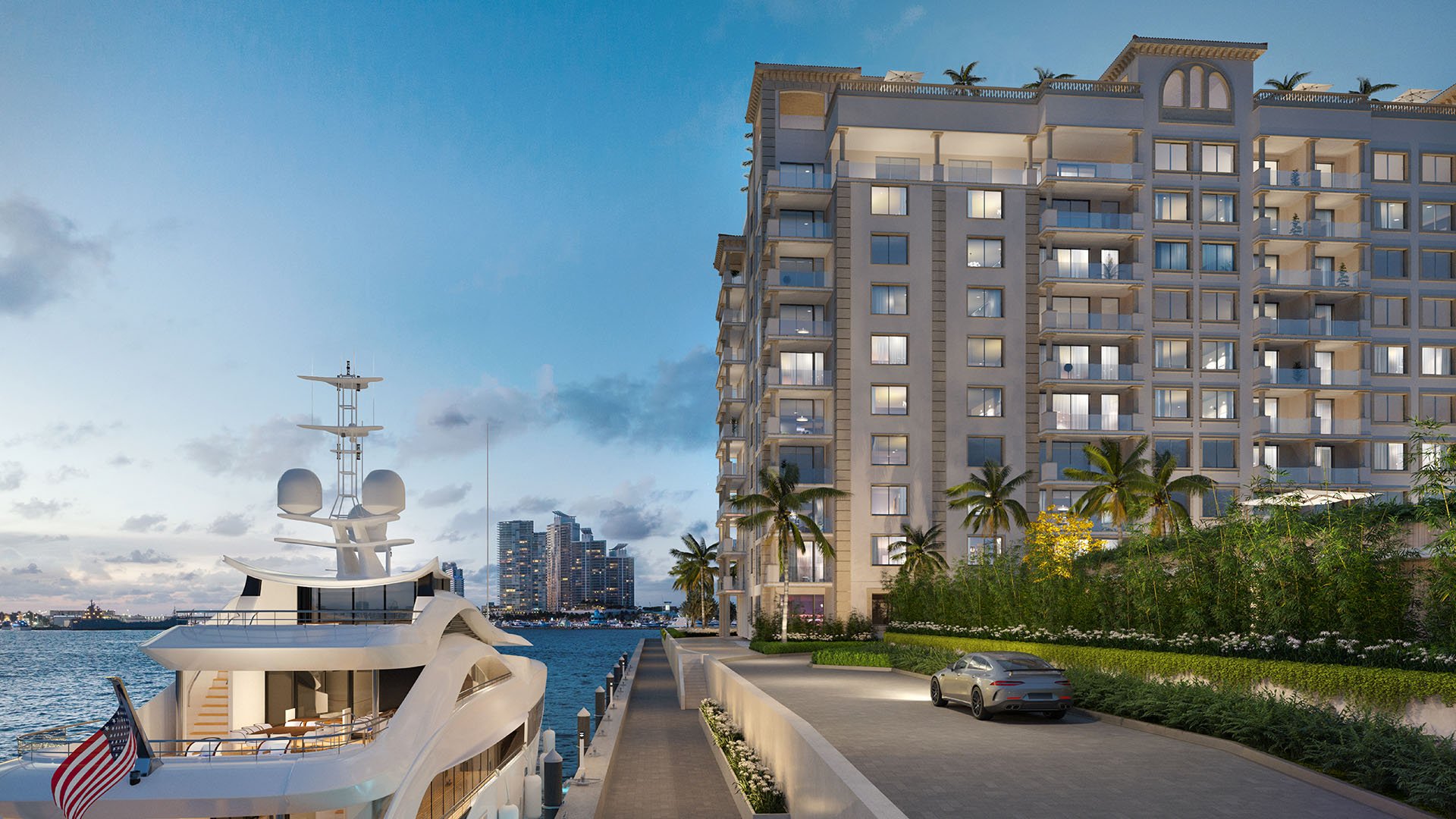
A waterfront residence may be designed around the view, but bringing a collection into it demands attention to less visible details: loading access, freight reservations, insurance acceptance, environmental readiness, and permission to install. The goal is not simply to get a painting upstairs. It is to coordinate arrival, placement, and completion without turning the residence or its shared spaces into an improvised worksite.
For an owner considering Una Residences Brickell, the useful question is not whether a prestigious address can accommodate art in principle. It is what management requires for the specific work, vehicle, crew, and installation scope. No project name substitutes for the building’s actual vendor packet.
Freight access, insurance acceptance, and installation permission are separate decisions. Keeping them distinct is the foundation of a reliable residence-management strategy.
Before booking transport, request management’s current delivery and contractor requirements. Association rules vary; owners should not assume a universal Miami-Dade freight timetable, insurance limit, or damage deposit applies.
Large deliveries commonly require a reserved service or freight elevator, protective padding, and a designated loading-dock window. Some towers limit deliveries to weekday daytime hours, excluding weekends or holidays. Confirm permitted hours for delivery, installation, and debris removal rather than treating them as a single interchangeable appointment.
Ask management to specify the required insurance wording, designated additional insureds, applicable fees, refundable deposits, and person authorized to confirm access. Vendors may need a certificate of insurance naming the association, management company, or other specified parties. Submission is not acceptance: obtain confirmation before dispatch.
A practical owner-side brief should record the artwork’s dimensions, packed dimensions, vehicle details, crew, installation scope, and intended sequence. This gives management and vendors a shared description of the proposed operation.
The greatest uncertainty may lie between the truck and the service entrance. Check dock or garage clearance, turning space, vehicle-weight restrictions, elevator-door dimensions, and elevator interior height. Compare those constraints with the packed work, not just the uncrated piece.
In Miami Beach, an owner evaluating The Perigon Miami Beach can incorporate route verification into residence planning without assuming a particular access arrangement. Ask the relevant management team to confirm the proposed delivery route from arrival point to final room.
As a planning precaution, have the delivery team review intervening doors, corners, and the intended placement area. Agree in advance on any proposed unpacking outside the residence, rather than improvising when a crate encounters a constraint.
The reserved window should account for unloading, elevator movements, unpacking, placement, and debris removal. White-glove handling does not eliminate the time required by loading-dock and elevator scheduling. A reservation that covers arrival but not completion leaves the plan unfinished.
Climate control belongs in the preparation process, but no single temperature or humidity target should be presented as suitable for every collection. Establish environmental instructions with the owner’s art specialist or conservator, including whether acclimatization or monitoring is appropriate for the particular works.
Residence management must translate those instructions into a workable arrival plan. Before dispatch, confirm that the receiving room is ready, assign responsibility for checking its conditions, and agree on what happens if the space is unavailable. These are planning recommendations, not countywide artwork-storage requirements.
For a collection intended for Jade Signature Sunny Isles Beach, the same discipline applies: resolve artwork-specific handling and environmental questions before committing to transport. Sunny Isles Beach does not supply a universal conservation specification, nor should a residential building’s operating procedures be mistaken for one.
Keep proposed mechanical or electrical modifications separate from routine room readiness. If the desired conditions require alterations, review the scope and necessary approvals before scheduling the artwork’s arrival.
An accepted certificate of insurance and a freight reservation do not authorize drilling, electrical changes, structural work, or alterations to common elements. Define the installation scope independently and ask management which permissions apply.
Art installation may involve specialized hanging hardware and lighting adjustments. Heavy mirrors and large works require proper anchoring. The installer’s proposal should distinguish simple placement from anchoring work, lighting changes, and other alterations. Resolve approval questions before the crew arrives.
Construction requires a building permit before work begins, following submission and approval of building plans. This does not mean every picture-hanging task requires a permit. Where the proposed scope extends beyond routine placement, confirm the applicable requirements with management and the relevant permitting authority.
Waterfront ownership does not automatically trigger a Class I Permit. That requirement concerns work in, on, over, or upon tidal waters or coastal wetlands, including within municipalities-not ordinary indoor art delivery. Clear distinctions avoid both unnecessary assumptions and unauthorized work.
Flood conditions matter when planning waterfront work, particularly when a proposal touches building systems or flood-resistant design. Elevation and flood-resistance requirements belong in the broader review; they should not be reduced to the floor on which an artwork will hang.
Mechanical, plumbing, and electrical systems are addressed by flood-protection provisions. Condominium floodproofing allowances are limited to electrical and utility rooms and should not be interpreted as blanket permission for interior alterations.
Miami-Dade’s hurricane season runs June 1 through November 30. For major deliveries during that period, establish a weather contingency with management and the transport team. Decide who can postpone dispatch and how a changed date affects freight access. The season is a scheduling consideration, not a prohibition on delivery.
For a complex installation, a six-to-eight-week planning sequence can provide useful structure. This is an advisory allowance, not a Miami-Dade requirement or a guaranteed approval period.
Begin with the vendor packet, route measurements, and installation scope. Then resolve insurance wording, charges, environmental instructions, and approval questions. Reserve access for the complete handling sequence, and obtain confirmation that the insurance has been accepted and the proposed work authorized, as applicable.
Before dispatch, reconfirm the access window, receiving-space readiness, crew details, and contingency plan. Close the assignment with any agreed condition documentation, debris removal, and deposit follow-up. The most refined outcome is an installation that feels effortless because its decisions were made before arrival.
For a considered perspective on South Florida’s exceptional residences, explore MILLION.
If branded residences are on your mind — as a home or as an allocation — we would be glad to share what we are seeing, privately.
Begin a quiet conversationRequest the building’s current vendor packet and confirm access hours, freight reservations, insurance wording, fees, deposits, and installation requirements.
No. Management’s acceptance should be confirmed before dispatch, along with the required access reservation.
No. Some towers restrict deliveries to weekday daytime windows, but the applicable hours must be confirmed with management.
Check packed artwork dimensions against dock or garage clearance, turning space, elevator doors, and elevator interior height. Vehicle-weight restrictions also need review.
No. Drilling, electrical changes, structural work, and alterations to common elements require separate review and any applicable approvals.
No blanket requirement applies to every picture-hanging task. Construction requires a permit before work begins, so confirm the requirements for the actual installation scope.
No. The Class I requirement concerns work in, on, over, or upon tidal waters or coastal wetlands, not ordinary indoor art delivery.
Establish artwork-specific instructions with an art specialist or conservator rather than assuming a universal temperature or humidity target.
Hurricane season runs June 1 through November 30. Establish postponement responsibilities and a process for reconfirming freight access if weather changes the schedule.
No. It is an advisory planning allowance for complex installations, not a Miami-Dade requirement or a guaranteed approval timeline.