For yacht owners, a residence and a marina arrangement require coordinated but separate financial scrutiny. Reserve-study recommendations, association financing, assessment notices, and slip contracts should align before closing or refinancing.
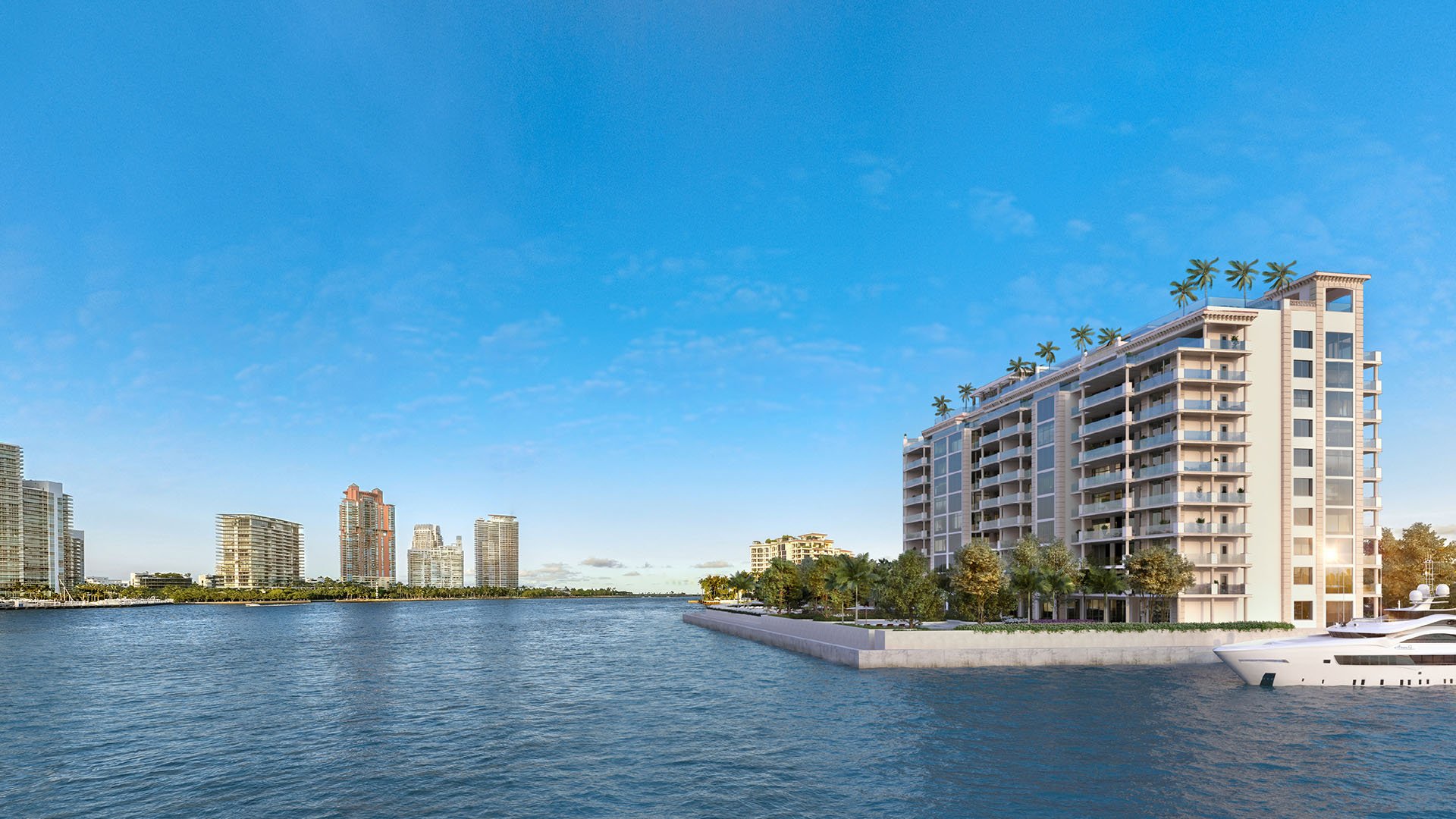
For a yacht owner, the appeal of a South Florida residence extends beyond its interiors. It includes coordinating time at home with time aboard, without unexpected financial obligations disrupting either. Yet the condominium and marina may operate under separate documents, budgets, and payment calendars. Understanding one does not establish certainty about the other.
The central question is not simply whether an association has completed a Structural Integrity Reserve Study, or SIRS. It is whether the study’s recommendations remain aligned with the adopted budget, approved repairs, financing, and assessment collections. A residence can have a documented reserve plan while its owner still needs clarity on future contributions.
For buyers considering St. Regis® Residences Bahia Mar Fort Lauderdale, that distinction provides a useful due-diligence framework. Evaluate residential obligations and any proposed marina arrangement independently, then reconcile their combined cost and timing. A project name alone establishes neither reserve adequacy nor contractual rights to dockage.
Florida residential condominium associations generally must obtain a SIRS at least every 10 years for each building with three habitable stories or more. Required components include roofs, load-bearing walls, floors, foundations, fireproofing, plumbing, electrical systems, waterproofing, windows, and other components specified by law.
A milestone inspection serves a different purpose: it evaluates structural condition. Covered residential condominium and cooperative buildings generally require these inspections at 30 years of age and every 10 years afterward, subject to statutory conditions and local requirements. Neither document substitutes for the other.
Request both sets of documents separately. The inspection establishes the building’s structural findings; the SIRS addresses anticipated repair and replacement funding. A completed SIRS does not guarantee against future special assessments. Counsel should also confirm the association’s applicable completion requirements and any extensions, rather than rely on a deadline detached from its statutory context.
An association loan or special assessment can change the financial picture without eliminating the building’s remaining reserve needs. The essential follow-up is a reconciliation: what work is funded, what remains outstanding, and how does the adopted budget account for both?
No universal rule is established here requiring an immediate SIRS update after every loan or special assessment. The key distinction is between a legally required study update and a financial review prompted by a material funding decision. Ask the association and its advisers whether revised costs, scope, or timing warrant an updated study or supporting funding schedule.
For a buyer evaluating Una Residences Brickell, these questions belong alongside the residence’s other purchase considerations. In Brickell or elsewhere, financing approval alone does not establish that every future reserve contribution has been addressed.
Request a written reconciliation of approved project costs, assessment proceeds, loan proceeds, repayment obligations, current reserve balances, and remaining funding needs. Distinguish money approved from money collected, and money borrowed from money available after project expenditure. This is a practical review framework, not a separate statutory filing requirement.
Required reserve funding must be reflected in the association’s budget. That can affect regular assessments or lead to special assessments, borrowing, or a combination of funding methods. The relevant comparison is between the budget, reserve balances, and SIRS recommendations-not between today’s dues and a buyer’s preferred monthly carrying cost.
Florida’s association financial-reporting framework calls for reserve summaries that include good-faith estimates of the annual funding needed to fully fund each reserve item using straight-line accounting. Examine those estimates alongside the association’s documented funding decisions. Where borrowing is involved, request the repayment schedule and identify how those payments appear in the owner’s obligations.
For a Coconut Grove search that includes Vita at Grove Isle, apply that discipline before comparing residences on recurring charges alone. Review the declaration, bylaws, financial records, budgets, board minutes, and assessment notices together. The aim is to understand documented obligations, not infer financial strength from presentation or current dues.
A special assessment is an assessment against a unit owner other than the assessment required by the annually adopted budget. Its approval process and owner communications warrant their own review, separate from the merits of the repair project.
Notice of a meeting considering a nonemergency special assessment generally must be mailed, delivered, or electronically transmitted to owners and posted conspicuously on the property at least 14 days beforehand. The meeting notice must identify that assessments will be considered and state the estimated cost and purpose. An approved assessment must then be set out in a written notice sent or delivered to each owner as provided by the governing statute.
Ask counsel to distinguish the meeting notice, the approval recorded in association records, and the written notice of the approved assessment. Then confirm the amount allocated to the unit and the payment schedule. Owners frequently aboard or away from Florida should keep contact details current and establish a reliable way to monitor association communications.
Dockage costs may sit within an association budget, a separate slip agreement, or a club membership. Do not assume that the residential charge includes every marina obligation, or that ownership automatically settles the terms of vessel access.
A Miami Beach buyer considering The Ritz-Carlton Residences® Miami Beach should treat any proposed dockage arrangement as a document-specific inquiry. Ask about transferability, renewal, termination, vessel limits, storm procedures, and future charges. These are contract questions, not universal marina rules.
Have counsel identify who bears residential assessments and any marina capital charges at closing. Confirm whether the residence and slip transfers depend on one another, and what happens if one cannot proceed. Keep residential reserve funding and marina funding separate unless the governing documents establish a connection.
Bring the obligations into one planning calendar without confusing their legal foundations. Include condominium payment dates, assessment installments, marina renewals, and vessel insurance, haul-out, and maintenance commitments. The purpose is to identify overlapping cash demands before signing or refinancing.
The strongest ownership plan is not one that promises no future assessment. It is one that makes existing obligations, remaining reserve needs, and marina commitments clear enough to support an informed decision.
For a considered approach to South Florida residences and the ownership commitments that accompany them, explore MILLION.
If branded residences are on your mind — as a home or as an allocation — we would be glad to share what we are seeing, privately.
Begin a quiet conversationA SIRS evaluates anticipated repair and replacement needs and funding for required building components. It does not guarantee that future special assessments will be unnecessary.
Florida residential condominium associations generally must obtain a SIRS at least every 10 years for each building with three habitable stories or more. Association-specific applicability should be confirmed.
A milestone inspection evaluates structural condition, while a SIRS addresses reserve funding for required components. Request the documents separately because they answer different questions.
An immediate update after every loan is not established as a universal requirement here. Ask whether changes in costs, scope, or timing warrant an updated study or supporting funding schedule.
Compare approved project costs with assessment proceeds, loan proceeds, repayment schedules, reserve balances, and remaining funding needs. Approval alone does not establish that all future reserve needs are funded.
No. Compare the adopted budget and reserve balances with SIRS funding recommendations rather than treating current dues as proof of adequate funding.
Owners generally must receive notice, with conspicuous property posting, at least 14 days beforehand. The notice must identify that assessments will be considered and state the estimated cost and purpose.
The approved assessment must be set out in a written notice sent or delivered to each unit owner as provided by the governing statute. Confirm the unit allocation and payment schedule separately.
No. Dockage costs may be included in the association budget, a separate slip agreement, or a club membership, so review the applicable documents independently.
Counsel should document responsibility for residential assessments and marina capital charges. Confirm whether the two transfers depend on one another and review the slip’s transfer, renewal, and termination terms.