A discerning South Florida purchase separates the view from its durability, structural wind design from outdoor comfort, and seasonal convenience from everyday livability. Here is how to evaluate those distinctions before choosing a residence.
The difference between a seasonal retreat and a year-round home begins with what you expect the residence to deliver. For a few carefully chosen months, a particular view or an outdoor breakfast setting may carry exceptional weight. Full-time living asks whether those pleasures remain satisfying across a broader range of conditions and routines.
Neither occupancy pattern is inherently better. The useful distinction is between what can be documented and what must be experienced. Neighboring development rights and structural wind criteria belong in the first category; terrace comfort belongs in the second. A compelling purchase should satisfy both, with the balance reflecting the buyer’s intended use.
Before comparing residences, write down your anticipated months of occupancy, preferred outdoor activities, and tolerance for a changed outlook. Together, these form the brief against which to evaluate every property.
An unobstructed outlook is a present condition, not proof of permanent protection. In Miami-Dade, zoning classifications govern permitted land uses and development conditions. What stands next door today does not establish what that parcel may accommodate in the future.
Ask your advisers to examine neighboring parcels’ zoning, allowable height, density, setbacks, and development applications. The question is not simply whether another building could appear, but how the potential development envelope relates to the sightlines you value from the living room, primary suite, and terrace.
For a Brickell search that includes The Residences at 1428 Brickell, make that review specific to the residence under consideration. A project name or neighborhood designation cannot establish the durability of an individual outlook.
Treat a “protected view” description as a reason to request supporting documentation. A persuasive phrase is no substitute for a parcel-level assessment of what is permitted, proposed, and still uncertain.
A useful review distinguishes existing conditions, development permissions, and pending proposals. These are related, but not interchangeable. An application is not a completed building, and a current low-rise structure does not fully describe a parcel’s development potential.
Include relevant zoning hearing records alongside zoning and application checks when investigating neighboring development. Ask your adviser to identify the relevant jurisdiction and explain what the records mean for the parcels in question.
For a Miami Beach shortlist that includes The Perigon Miami Beach, apply the same discipline rather than assuming an appealing coastal setting resolves the question. Distinguish the views essential to your purchase from those you would accept changing. That distinction gives the investigation a clear purpose.
Miami-Dade and Broward lie within Florida’s High-Velocity Hurricane Zone, where specialized structural and hurricane-protection provisions apply. That shared designation does not mean every coastal residence has identical design conditions.
Structural-design wind speeds are not typical terrace wind speeds. They are neither a building-specific promise of performance nor a measure of everyday outdoor comfort.
Request the building’s documented wind-design criteria and exposure category, and have a qualified professional explain their applicability. Ask specifically how the site's waterfront exposure is addressed rather than inferring its classification from the view.
If St. Regis® Residences Sunny Isles is under consideration, request property-specific documentation rather than drawing an inference from its coastal address. Include the terrace’s orientation in that discussion without treating it as a substitute for the documented design criteria.
For seasonal ownership, focus on the residence’s documented protection and the practical arrangements needed while you are away. Establish what exterior doors and glazing are designed to do, whether external protection forms part of the system, and what actions that documented arrangement requires.
Ask for property-specific records of impact protection rather than accepting a general description of hurricane protection. Have a qualified professional explain what the documentation establishes for the residence under consideration.
A seasonal buyer should also define who will carry out any required preparation and how completion will be confirmed. This is a recommended ownership plan, not an assumption about services offered by a particular building. If an important step depends on your presence, resolve that dependency before treating the residence as an effortless retreat.
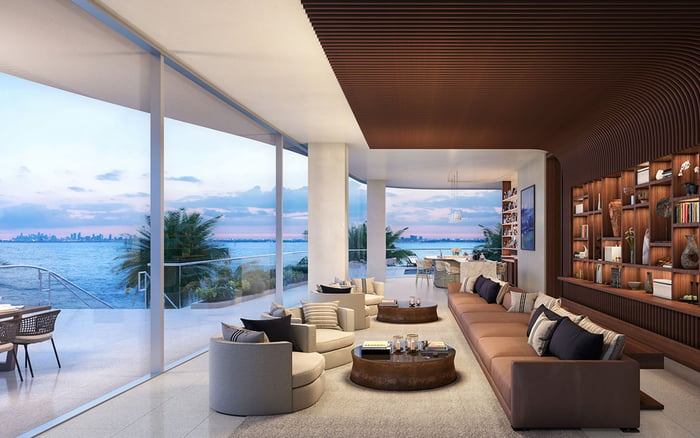
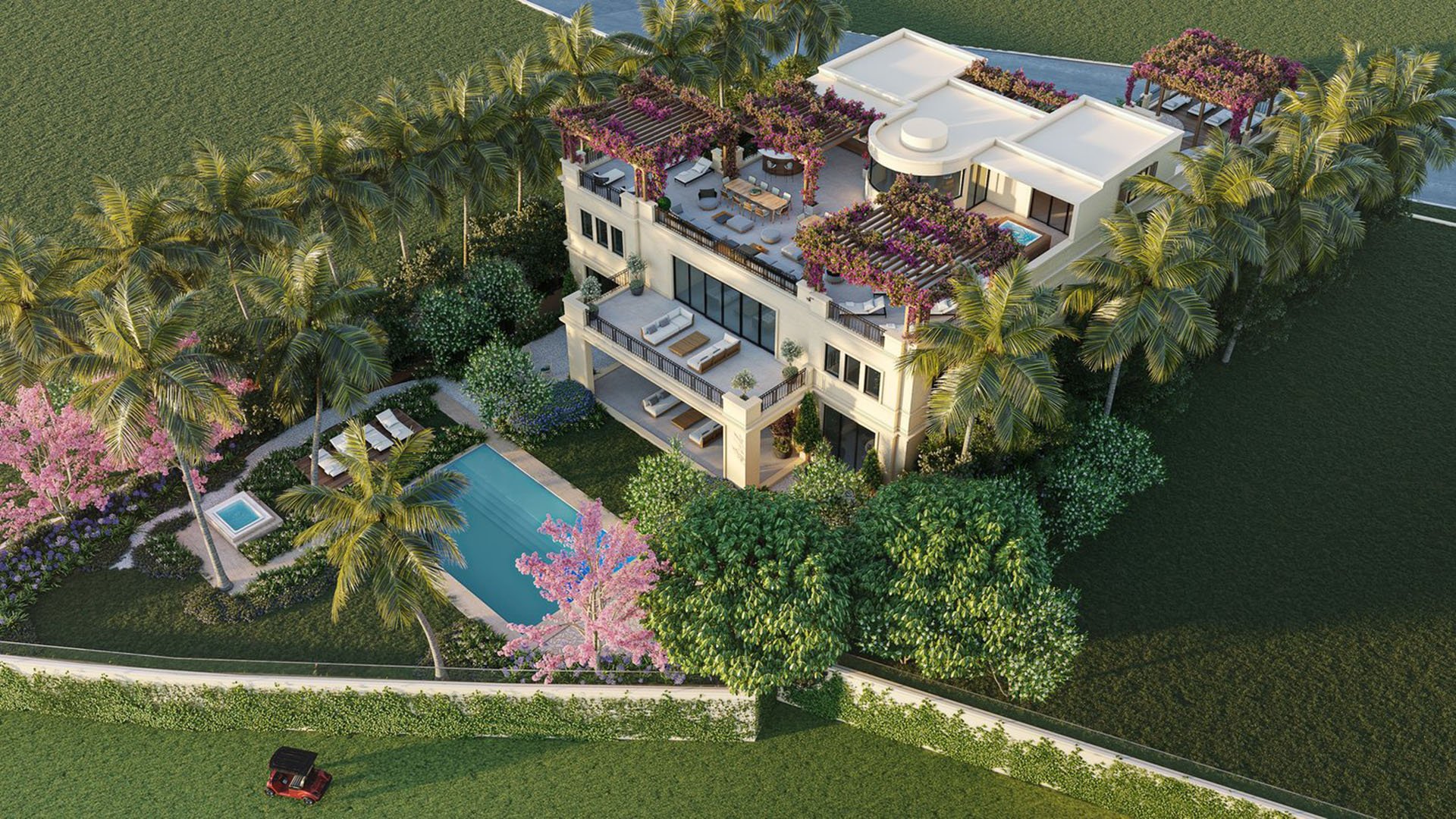
Year-round buyers should assess the terrace as a room they intend to use, not merely as an extension of the photograph. Where access is possible, visit at different times and under different conditions. Sit where you would read, dine, or work, and assess whether the experience suits those activities.
For a Fort Lauderdale comparison involving Four Seasons Hotel & Private Residences Fort Lauderdale, use the same activity-based test. The purpose is to understand the particular space you are considering, not to assign the project an unsupported comfort rating.
Separate comfort from loading capacity. Balcony and deck live loads are governed by structural-design requirements, not unrestricted owner preference. Before planning substantial planters, heavy furnishings, or other concentrated loads, request confirmation that the proposed arrangement is suitable.
If you cannot visit the actual terrace, keep its comfort assessment provisional. A rendering cannot establish how the space will feel during your intended use.
Organize your final comparison around documented confidence and lived suitability. The first should include neighboring development rights, relevant applications and hearing records, wind-design criteria, exposure classification, and property-specific protection documentation. The second should reflect your own observations of the view and terrace during the activities that matter to you.
Seasonal buyers may give additional weight to arrangements during absence. Year-round buyers may place greater emphasis on repeated observations of outdoor use. Both should decide whether the residence remains desirable if a valued sightline changes or a terrace proves less useful than expected.
The strongest choice is not necessarily the most dramatic outlook. It is the residence whose documented conditions and observed qualities best support your intended life.
Explore South Florida residences aligned with your ownership priorities with MILLION.
If branded residences are on your mind — as a home or as an allocation — we would be glad to share what we are seeing, privately.
Begin a quiet conversationNeither is inherently better. The choice should reflect your intended use, documented property conditions, and firsthand assessment of everyday livability.
No. A current view does not establish what neighboring parcels may accommodate under their development permissions.
Review zoning, allowable height, density, setbacks, development applications, and relevant hearing records. Relate those findings to the specific sightlines that matter to your purchase.
Include relevant hearing records in the neighboring-parcel review. Ask your adviser to explain their significance and distinguish pending proposals from established permissions.
Yes. Both counties are within the zone, where specialized structural and hurricane-protection provisions apply.
No. They are structural-design parameters, not typical terrace wind speeds or guarantees of comfortable outdoor use.
Request the building’s documented exposure category and have a qualified professional explain its applicability. Do not infer the classification from a coastal address or view.
Request property-specific documentation for exterior doors, glazing, and any external protection. Establish who will perform any required preparation while you are away.
Where access is possible, visit at different times and under different conditions, testing the activities you expect to enjoy there. Keep comfort conclusions provisional if the actual terrace cannot be visited.
No. Balcony and deck live loads are governed by structural-design requirements, so substantial or concentrated loads warrant confirmation of suitability.