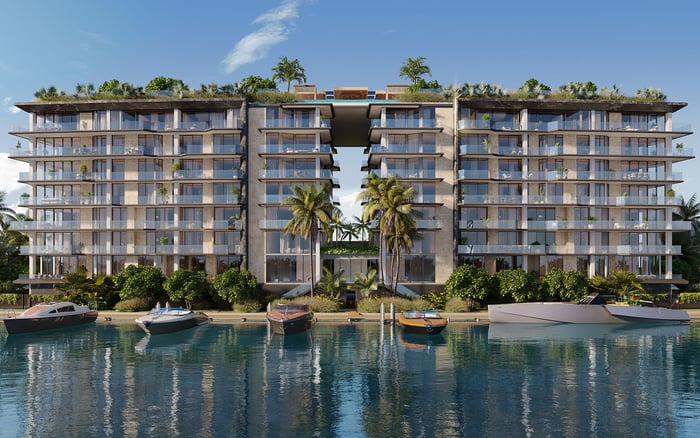
A disciplined Onda Bay Harbor resale strategy should test each claimed premium against comparable sales, residence-specific attributes, physical inspection, governing documents, and a clearly defined exit thesis.
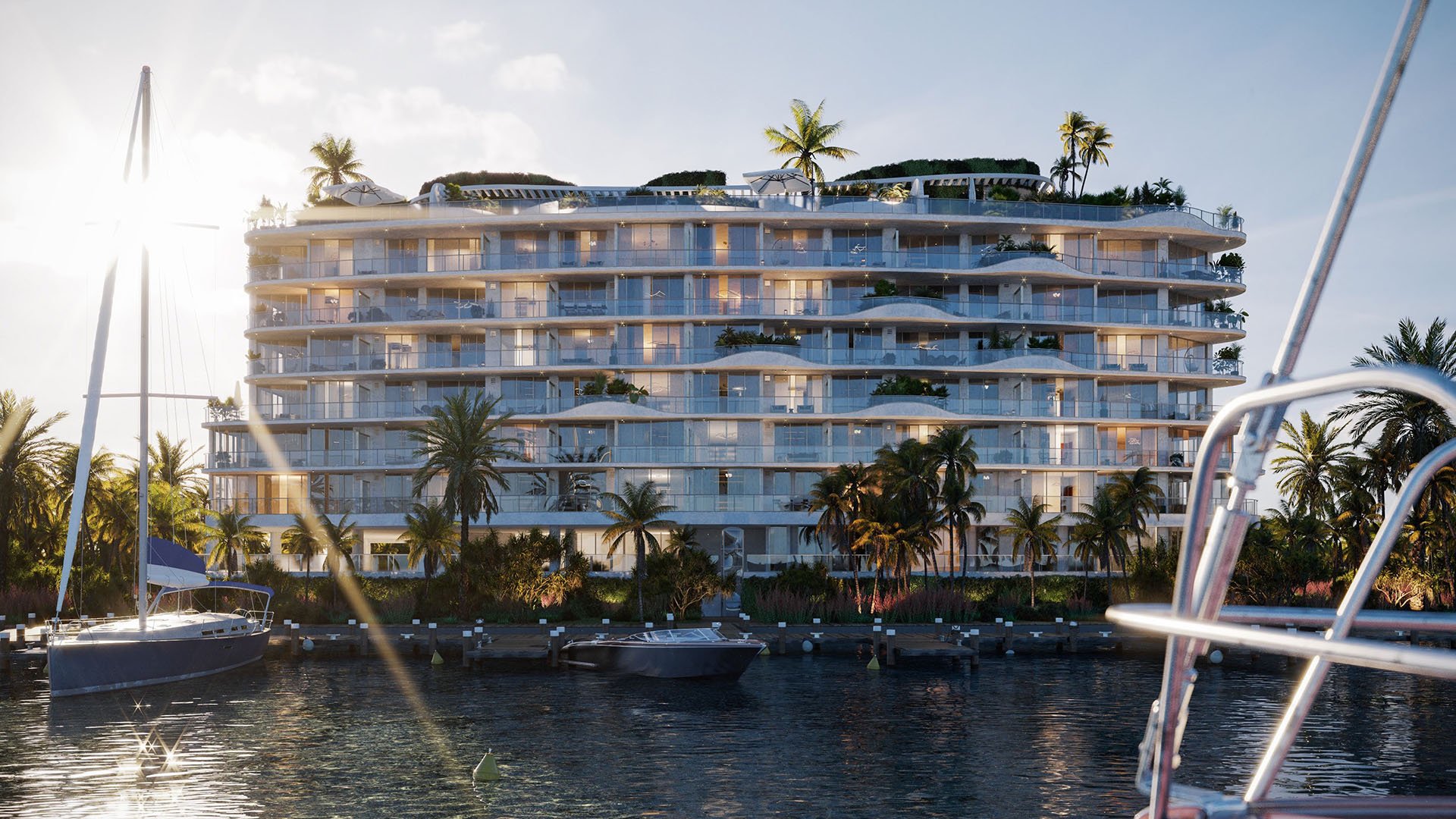
At Onda Bay Harbor, a buyer considering a premium line should focus on the exact residence rather than assume that every home deserves the same valuation treatment. The central question is whether the premium is supported by qualities that can be inspected, documented, and explained to a future purchaser.
Floor position, exposure, view quality, privacy, interior proportions, terrace usability, arrival experience, condition, and any applicable marina rights should be assessed separately. This approach helps distinguish durable attributes from seller expectations or design choices that may not retain equal value at resale.
Begin with closed sales that most closely resemble the target residence. Similarity matters more than a broad building average: layout, size, floor, exposure, condition, outdoor space, and included rights can all affect how useful a transaction is as a benchmark.
Active listings can show current competition, but an asking price is not proof of market value. Pending transactions may also provide context when reliable details are available, although their final terms should not be assumed before closing.
Keep materially different residence types in separate comparison groups. A distinctive top-floor home, unusually large layout, or residence with different appurtenant rights may offer limited guidance for a more typical line. Any adjustment should be explained feature by feature rather than compressed into an unsupported premium.
A physical visit should test the claims made in the listing. Examine principal-room views, neighboring sightlines, natural light, privacy, noise, terrace depth and usability, interior condition, circulation, elevator access, and service flow. When feasible, viewing the residence under different conditions can reveal qualities that a single showing may not capture.
Document the observations that are likely to matter at resale. Photographs, measurements, floor plans, disclosure materials, and written confirmation of included rights can create a clearer record for both the current decision and a later sale.
For local comparison, buyers may also review La Maré Bay Harbor Islands and Alana Bay Harbor Islands. These references should be used to sharpen questions about positioning and alternatives, not as automatic substitutes for residence-level evidence at Onda.
A boating or marina-related benefit should be valued only after its legal and practical terms are confirmed. Buyers should review the governing documents and transaction materials to determine whether any right is included, assigned, transferable, separately priced, restricted, or subject to recurring charges.
The intended use should also be tested against the applicable rules and physical constraints. If a claimed benefit cannot be documented or transferred on acceptable terms, it should not receive the same valuation as a clearly established right.
Written confirmation is essential. Marketing descriptions and verbal representations should not replace review by the buyer’s appropriate legal, financial, inspection, and marine advisers.
Before offering, identify the purchaser most likely to value the residence at resale. That buyer may prioritize a particular exposure, privacy, terrace experience, turnkey condition, or boating-related capability. The acquisition premium is more defensible when the residence expresses those qualities clearly and when the supporting rights are verifiable.
Comparison beyond the immediate area can help clarify positioning. Rivage Bal Harbour and The Delmore Surfside can serve as additional South Florida reference points, but each project should be evaluated on its own residence mix, setting, condition, documents, and competitive context.
An internal resale file can preserve the acquisition rationale. It should organize the closest comparable sales, residence specifications, view and terrace documentation, inspection findings, included rights, governing documents, and the adjustments used to reach the offer.
Start with the strongest comparable evidence and adjust only for differences that can be articulated and supported. Separate structural characteristics from removable finishes, furnishings, and staging. Consider the cost and time required to correct condition issues rather than treating presentation as a permanent source of value.
The offer should also reflect current competition, transaction terms, documented inclusions, and the buyer’s intended holding strategy. Appropriate professional review remains important because legal rights, association materials, inspections, financing, insurance, taxes, and closing terms can affect the final decision.
What should justify a premium at Onda Bay Harbor? A premium should be tied to residence-specific qualities and rights that can be inspected, documented, and compared with relevant closed sales.
Are asking prices reliable evidence of value? Asking prices show seller expectations and current competition, but they do not establish the final market value of a residence.
Which comparable sales are most useful? The most useful closings are those with similar layouts, size, floor position, exposure, condition, outdoor space, and included rights.
Should distinctive residences be compared with standard lines? Only with caution. Materially different residence types should generally remain in separate comparison groups unless each adjustment can be supported.
What should a buyer inspect in person? Buyers should examine views, privacy, light, noise, terrace usability, circulation, access, service flow, and physical condition.
How should interior finishes affect an offer? Finishes should be valued separately from durable real estate attributes because future buyers may discount or replace them.
How should marina-related value be evaluated? Any premium should depend on written confirmation of the right’s inclusion, assignment, transferability, restrictions, costs, and practical suitability.
Why create a resale file before buying? A resale file records the evidence behind the purchase and helps present the residence’s defensible advantages to a future buyer.
How can nearby projects help the analysis? They can clarify competing choices and market positioning, but they should not replace direct evidence for the target residence.
What is the final test before making an offer? The buyer should be able to explain the proposed price through comparable evidence, verified rights, inspected attributes, and a realistic exit thesis.
For a confidential assessment and a building-by-building shortlist, connect with MILLION.
If branded residences are on your mind — as a home or as an allocation — we would be glad to share what we are seeing, privately.
Begin a quiet conversation