A buyer-focused review of Bay Harbor Towers’ domestic-water due diligence, including property identification, standby capacity, upper-floor pressure testing, maintenance history, and financial oversight.
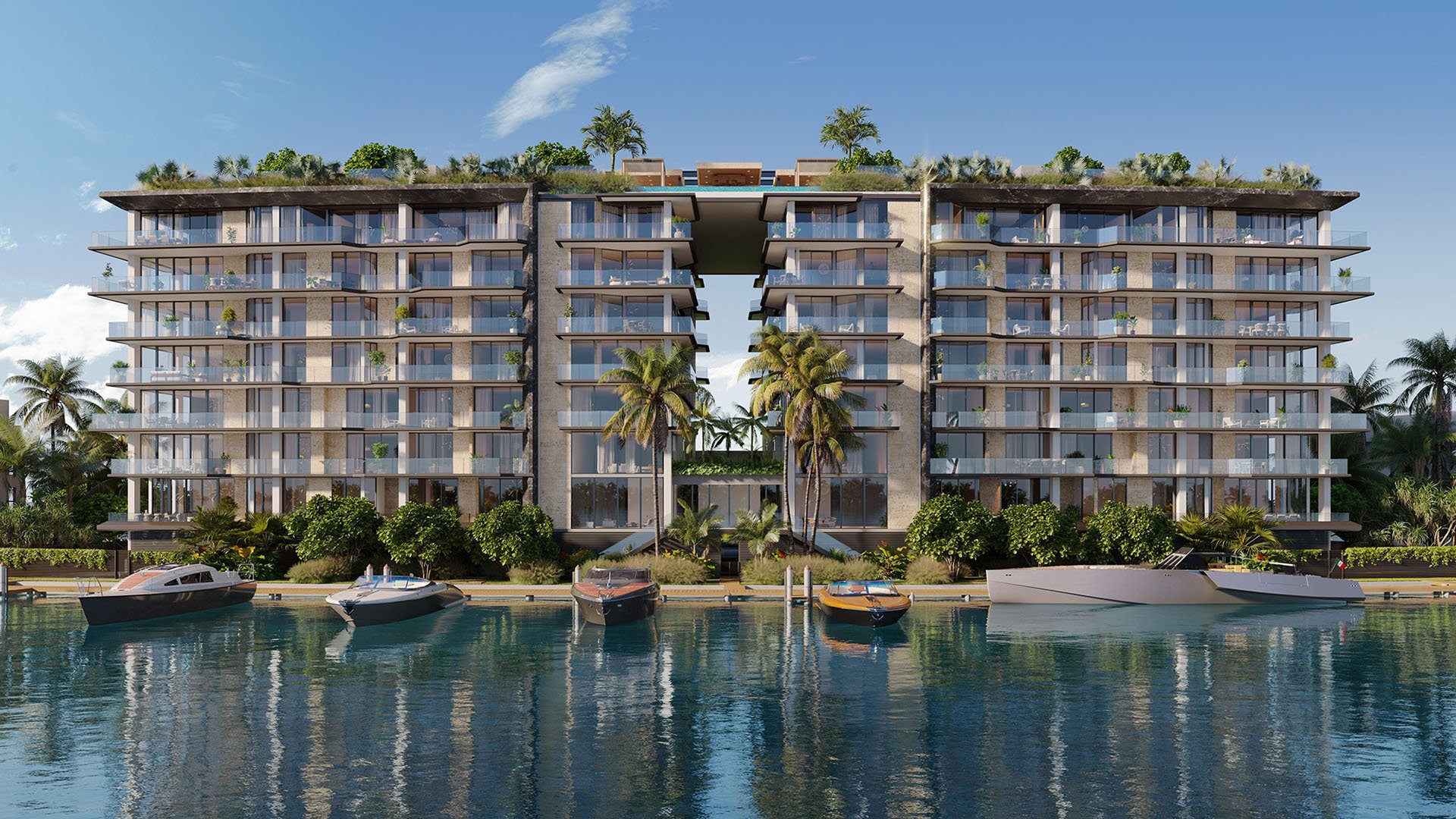
For a prospective owner at Bay Harbor Towers, a quieter measure of residential quality lies behind the finishes: whether everyday water service rests on documented capacity, consistent pressure, and disciplined maintenance.
This review does not verify domestic-water pump quantity, standby capacity, automatic changeover, or generator connection. It also does not establish upper-floor pressure readings, booster-pump specifications, pressure-zone arrangements, or pump service history. These are ownership questions to resolve, not evidence of a system defect.
The appropriate conclusion is neither reassurance nor alarm. Domestic-water redundancy, upper-floor performance, and maintenance quality remain unverified here. A practical purchase review should turn those unknowns into specific document requests and engineering questions-not treat missing evidence as a technical finding.
Before evaluating equipment, establish the legal address, folio, association identity, and relevant construction period. Reconcile those details with the legal documents for the residence under consideration.
For a Bay Harbor Towers purchase, a project name alone should not substitute for matching each record to the correct property and system. If a listing, permit, or invoice contains conflicting details, resolve them before relying on it.
Ask the seller or project representative to identify the exact property and construction scope covered by each document. Carry that identification through association requests, municipal searches, and the engineer's engagement. This prevents a permit, invoice, or budget from a different building or period from being mistaken for evidence of current performance.
A useful redundancy review begins with plumbing schematics, pump schedules, and controls descriptions. Request documentation identifying the domestic-water equipment, its intended duty, and any standby arrangement. Ask separately about automatic changeover and generator connections; neither is verified in this review.
The central engineering question is straightforward: can the system meet its documented domestic-water demand with its largest pump unavailable? Ask a qualified engineer to answer through design records and appropriate testing, not simply a pump count.
The review should also establish how a failure is detected, what initiates changeover, and which components and controls, if any, would receive emergency power. Request evidence specific to domestic water. A reference to a generator or unspecified pump equipment does not confirm the arrangement serving residential fixtures.
For a buyer also considering Onda Bay Harbor, the same questions provide a consistent comparison framework. This is a recommendation for equivalent diligence, not a claim about either property's installed systems or relative reliability.
Upper-floor water performance warrants a separate review. Without verified pressure readings or domestic-water pressure-zone diagrams, a buyer should assume neither satisfactory nor inadequate performance at the intended residence.
Request static and flowing pressure measurements on lower, middle, and upper floors. The test record should identify the fixtures used, the time of measurement, and the simultaneous demand during testing. Have the engineer explain how those conditions relate to the design and to the residence being purchased.
A brief demonstration during a quiet viewing cannot replace this documented assessment. Ask for the intended pressure criteria and a professional interpretation of the results rather than selecting an arbitrary threshold. If design drawings and field measurements differ, request a written explanation and any proposed follow-up.
For an upper-floor purchase, keep the evidence residence-specific wherever practical. A general assurance about building water service does not establish performance at the fixtures the owner will actually use.
Request at least three years of service invoices, inspection documentation, preventive-maintenance records, and failure logs, where that operating history exists. If the relevant system has a shorter history, request the available record from commissioning onward. Do not presume a construction or occupancy timeline that has not been confirmed.
Read the documents as a sequence. Ask what work was recommended, whether it was completed, and whether later entries reveal the same unresolved concern. Have the engineer reconcile equipment descriptions with the pump schedule to confirm that invoices relate to the domestic-water system under review.
Seek explanations for gaps rather than treating every gap as proof of neglect. Equally, a collection of invoices is no substitute for confirmation that recommended work was completed.
If water and sewer are included in maintenance charges, that expense allocation does not establish equipment condition or redundancy. Utility costs and evidence of reliable equipment are separate ownership questions.
Once the property's identity is settled, ask the appropriate municipal records office for relevant plumbing permits and associated inspection documentation. Confirm the current request process and available record categories rather than assuming a particular filing system.
Describe the work precisely: domestic-water pumps, recirculation pumps, water service, and water repiping. Ask the records office how those scopes are indexed. A generic reference to a pump permit should not be treated as confirmation of domestic-water booster work.
Compare the municipal record with association invoices and engineering documents. Seek clarification where the scope, equipment identity, or completion status does not align. Permits can corroborate work history, but they cannot replace current field testing or ongoing maintenance records.
Complete the technical review with board minutes, reserve studies, budgets, assessments, and water-loss history mentioning pumps, pressure, leaks, or risers. Ask how documented recommendations connect to planned expenditure. The objective is to understand both the condition of the system and the financial response, without inventing a replacement cost or assuming an assessment is imminent.
For a second-home buyer, ask who receives operational alerts, who coordinates service, and how owners are informed of interruptions. These are management questions to resolve, not verified descriptions of current practice.
Buyers extending their search to Bal Harbour, including Rivage Bal Harbour, can apply the same evidence standard without assuming shared equipment or maintenance arrangements.
The purchase decision should distinguish confirmed design, demonstrated performance, documented care, and unresolved questions. That distinction allows the waterfront setting to be appreciated without asking it to stand in for engineering evidence.
For a considered approach to South Florida residential ownership, explore MILLION.
If branded residences are on your mind — as a home or as an allocation — we would be glad to share what we are seeing, privately.
Begin a quiet conversationThis review does not verify pump quantity, standby capacity, automatic changeover, or generator connection. Buyers should request system-specific documentation and an engineering assessment.
No. Missing evidence leaves performance and maintenance questions unresolved rather than establishing a defect.
Records must match the property and system being evaluated. Confirm the legal address, folio, association, and construction period before relying on them.
Request plumbing schematics, pump schedules, controls descriptions, and generator-connection documentation. Ask an engineer whether the system can meet its documented demand with its largest pump unavailable.
No upper-floor pressure measurements are verified here. Request pressure-zone diagrams, booster-pump specifications, and residence-specific testing where practical.
Request static and flowing measurements on lower, middle, and upper floors, recording fixtures, time, and simultaneous demand. Have an engineer interpret the results against the intended design criteria.
Request at least three years of service invoices, inspection documentation, and failure logs where that history exists. For a shorter operating history, seek the available records from commissioning onward.
Ask for permits and inspection records covering domestic-water pumps, recirculation pumps, water service, and water repiping. Confirm how the municipality indexes those scopes rather than assuming official category names.
No. Municipal permits can corroborate work history, but current testing and association maintenance records address different questions.
Request board minutes, reserve studies, budgets, assessments, and water-loss history mentioning pumps, pressure, leaks, or risers. Connect any documented engineering recommendations to planned expenditure.