A considered first year in Bay Harbor Islands begins with clear household operations. For owners arriving from the Hamptons, property-specific maintenance, written storm authority, and discreet mail controls deserve a place alongside the purchase decision.
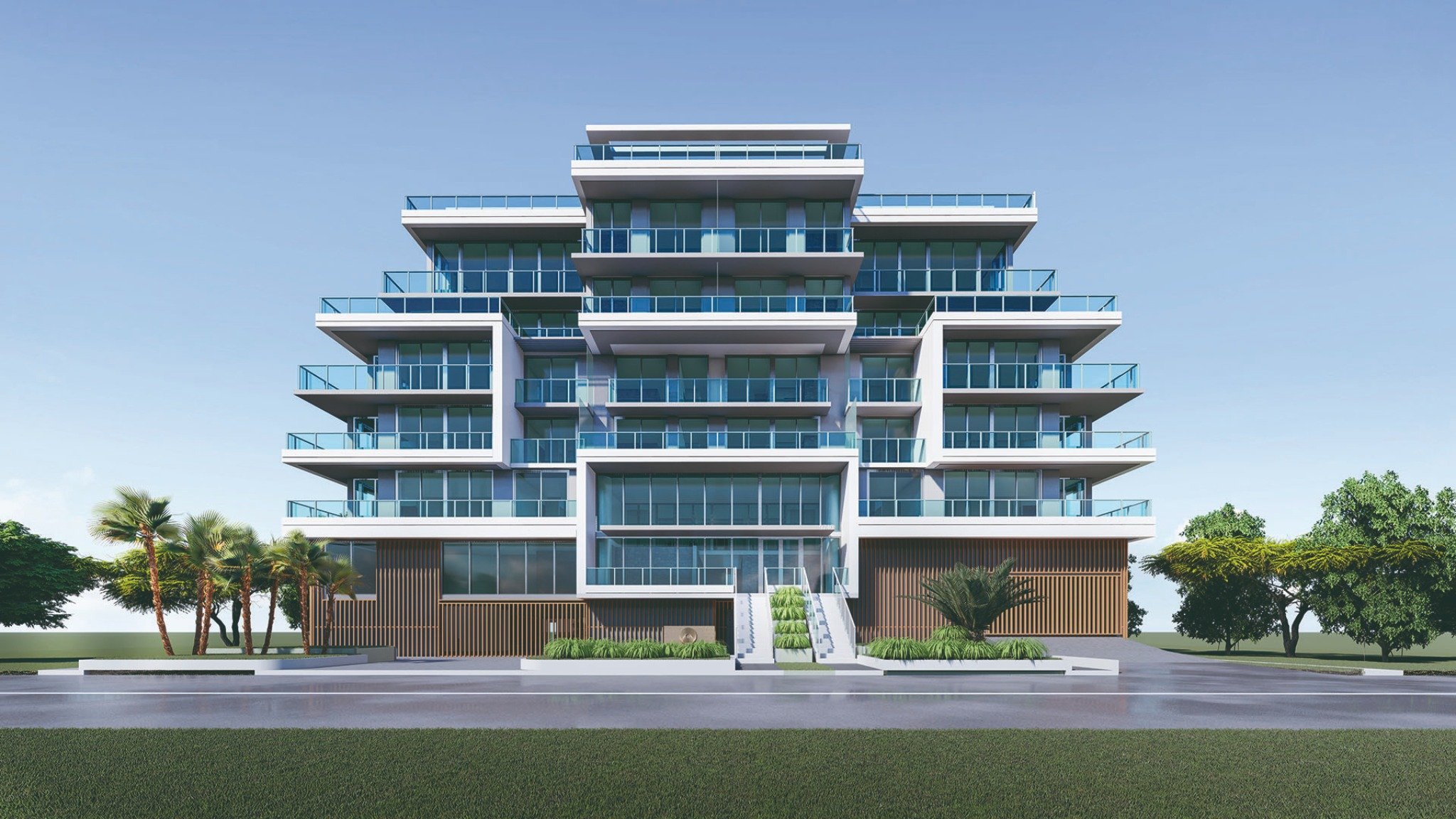
Relocating from the Hamptons to Bay Harbor Islands involves more than choosing what travels south. Whether the Florida residence becomes a primary address or a seasonal retreat, its first year deserves an operating plan as considered as the interiors. The objective is simple: arrive at a home that is ready, and leave knowing who is responsible for it.
The useful comparison is not between presumed regional routines. A Hamptons household may already have sophisticated oversight, but its calendar should not automatically become the Florida calendar. Start with the new property's systems, occupancy pattern, insurance terms, and condominium rules. Delegate tasks precisely, then require a record of completion.
For buyers also considering Bal Harbour, apply the same management questions to each candidate property. Design preferences can remain personal; responsibilities should be explicit.
Include flood due diligence in the review of any Bay Harbor Islands property. An address away from the waterfront is no reason to omit this step. Establish the applicable flood designation and assess the particular residence rather than relying on a general impression of the neighborhood.
Request available elevation certificates, flood-insurance rating information, and historical drainage or flooding information. Ask qualified advisers to interpret the relevant maps and identify any applicable base flood elevation. Review the property information before deciding on insurance or alterations.
Alongside these records, assemble equipment manuals, warranties, service contacts, access instructions, and relevant association documents. For a residence under consideration at Alana Bay Harbor Islands, ask which responsibilities belong to the owner and which belong to the association. Resolve that through document review, not assumptions about included service.
A useful closing-stage deliverable is a responsibility sheet identifying the decision-maker, service provider, backup contact, and location of supporting records for each critical system.
Use the first year to establish a baseline rather than impose an arbitrary inspection frequency. The following sequence is a suggested household framework, not a municipal schedule. Adapt it to professional advice, insurance conditions, actual equipment, and building requirements.
At handover: Arrange appropriate initial system inspections and document condition with dated photographs. Identify unresolved work and assign responsibility for follow-up.
Before an extended absence: Confirm access arrangements, agreed climate-control settings, delivery instructions, and vendor appointments. Have the relevant professional determine suitable settings rather than importing them from another home.
Before storm preparation becomes urgent: Review protective equipment, contact details, contractor availability, and the division between private and common-area work.
During absence: Schedule inspections at an agreed frequency and require a concise checklist, photographs, and prompt escalation of exceptions.
Before arrival and at year-end: Check readiness, close outstanding service items, and revise the calendar using the home's actual maintenance experience.
When evaluating Bay Harbor Towers, request the applicable access and maintenance procedures before deciding how much private oversight to commission. Examine building-level arrangements separately from interior household care.
Keep one shared calendar rather than several disconnected vendor reminders. Each entry should identify the task, responsible person, approval needed, and evidence of completion. This makes delegated work visible without making ownership feel administrative.
Settle a residence manager's authority while decisions are unhurried. Consider a written agreement covering routine spending limits, a separate emergency allowance, approved vendors, access permissions, owner notification, and photographic documentation. Specify a backup decision-maker if the owner cannot be reached.
Distinguish permission to act from an obligation to seek approval. A manager might be authorized to arrange an agreed protective measure within a spending ceiling, while alterations require further review. Define those categories with advisers rather than relying on a broad instruction to protect the property.
Keep private spending and access permissions separate from public emergency direction. Plan to follow applicable evacuation orders and access restrictions, and confirm current instructions with the relevant authorities. Household plans should not require a manager or contractor to remain behind, disregard restrictions, or return before access is permitted and conditions are safe.
For a buyer considering The Well Bay Harbor Islands, clarify the building's emergency procedures and the proposed private manager's role separately. Confirm who communicates, who may enter, and which tasks require association authorization. Do not treat a residential offering as evidence that every household contingency is covered.
Prepare a written checklist for floods, tropical storms, and hurricanes. Depending on the property's configuration, protective measures to evaluate include storm shutters, garage-door reinforcement, and elevating and securing electrical appliances. Drain clearance, seawall reinforcement, and elevated air-conditioning compressors also warrant consideration where applicable.
These tasks are not interchangeable, nor are they instructions for every owner to undertake personally. In a condominium, first establish which components are shared and who can authorize work. For a house, have qualified professionals assess suitable measures and the approvals they require.
Before commissioning construction or flood-protection work in Bay Harbor Islands, confirm applicable permitting and flood-damage-prevention requirements with the local building department and qualified professionals. Do not assume that a protective purpose exempts a project from review; specifically ask about proposed building or land alterations, including regrading and filling.
Clarify scope and approvals before commissioning modifications, and retain the relevant approvals and completion records in the property file.
Mail deserves its own household protocol, separate from general housekeeping. Appoint a named collector and backup, agree on collection frequency, and identify secure storage for letters and packages. Give delivery instructions only to people who need them.
Set explicit permissions for handling sensitive correspondence. Decide whether an authorized person may open or scan particular categories, how they should notify the owner, and what remains sealed. One sensible rule to consider is prompt notification when correspondence appears time-sensitive, without assuming permission to inspect its contents.
If Onda Bay Harbor is on the shortlist, ask about delivery acceptance, storage, collection authorization, and vendor access before drafting private instructions. Confirm the actual arrangements rather than presuming a universal condominium policy. These are proposed household controls, not a standardized postal-service procedure.
At the first annual review, examine unresolved repairs, inspection records, spending approvals, access issues, and missed correspondence. Adjust the plan to reflect what the residence actually needed. The best outcome is not the longest checklist, but a household in which responsibility is clear and exceptions reach the right person promptly.
Explore a more considered South Florida move with MILLION.
If branded residences are on your mind — as a home or as an allocation — we would be glad to share what we are seeing, privately.
Begin a quiet conversationInclude a property-specific flood review even when a home is not directly on the water. Confirm the applicable designation and available property records with qualified advisers.
Request available elevation certificates, flood-insurance rating information, and historical drainage or flooding information. Ask qualified advisers to interpret relevant maps and identify any applicable base flood elevation.
Not automatically. Build the new calendar around the Florida property's systems, occupancy pattern, insurance terms, and applicable condominium rules.
No; the calendar proposed here is a household framework, not a statement of municipal requirements. Agree on frequency using property conditions, professional advice, insurance terms, and building requirements.
Consider written spending limits, emergency allowances, vendor and access permissions, notification procedures, and photographic documentation. Name a backup decision-maker if the owner cannot be reached.
Plan to follow applicable public evacuation orders and access restrictions, and confirm current instructions with the relevant authorities. Keep a manager's private spending and access permissions separate from those directions.
Confirm the proposed scope with the local building department and qualified professionals before commissioning work. Do not assume that a protective purpose removes the need for permits or other approvals.
Depending on the property, consider shutters, garage-door reinforcement, appliance elevation, drain clearance, seawall reinforcement, and elevated air-conditioning compressors. Confirm suitability, responsibility, and approvals before commissioning work.
Name an authorized collector and backup, provide secure storage, and establish notification rules. Explicitly define what may be opened or scanned and what must remain sealed.
Review unresolved repairs, inspection records, spending approvals, access issues, and missed correspondence. Use that experience to refine the next year's maintenance and management plan.