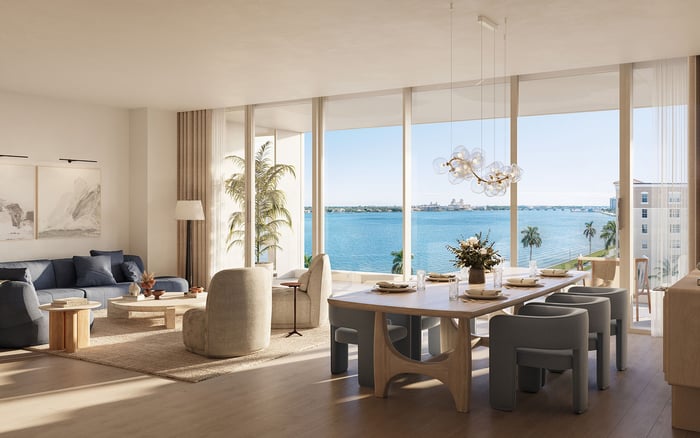
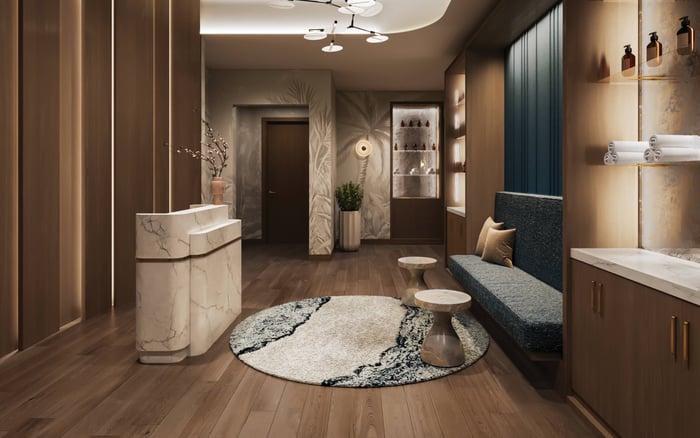
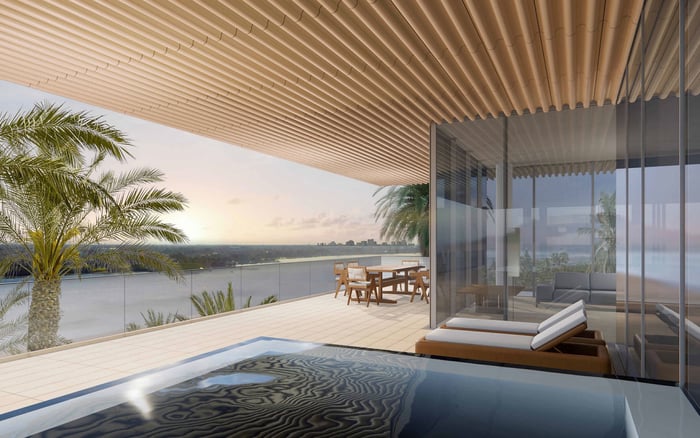
For collectors relocating from Dallas to Palm Beach, the first year calls for more than a carefully managed move. Flood exposure, collection schedules, protected transit, conditioned storage, and confirmed backup arrangements should inform both the property search and the installation calendar.
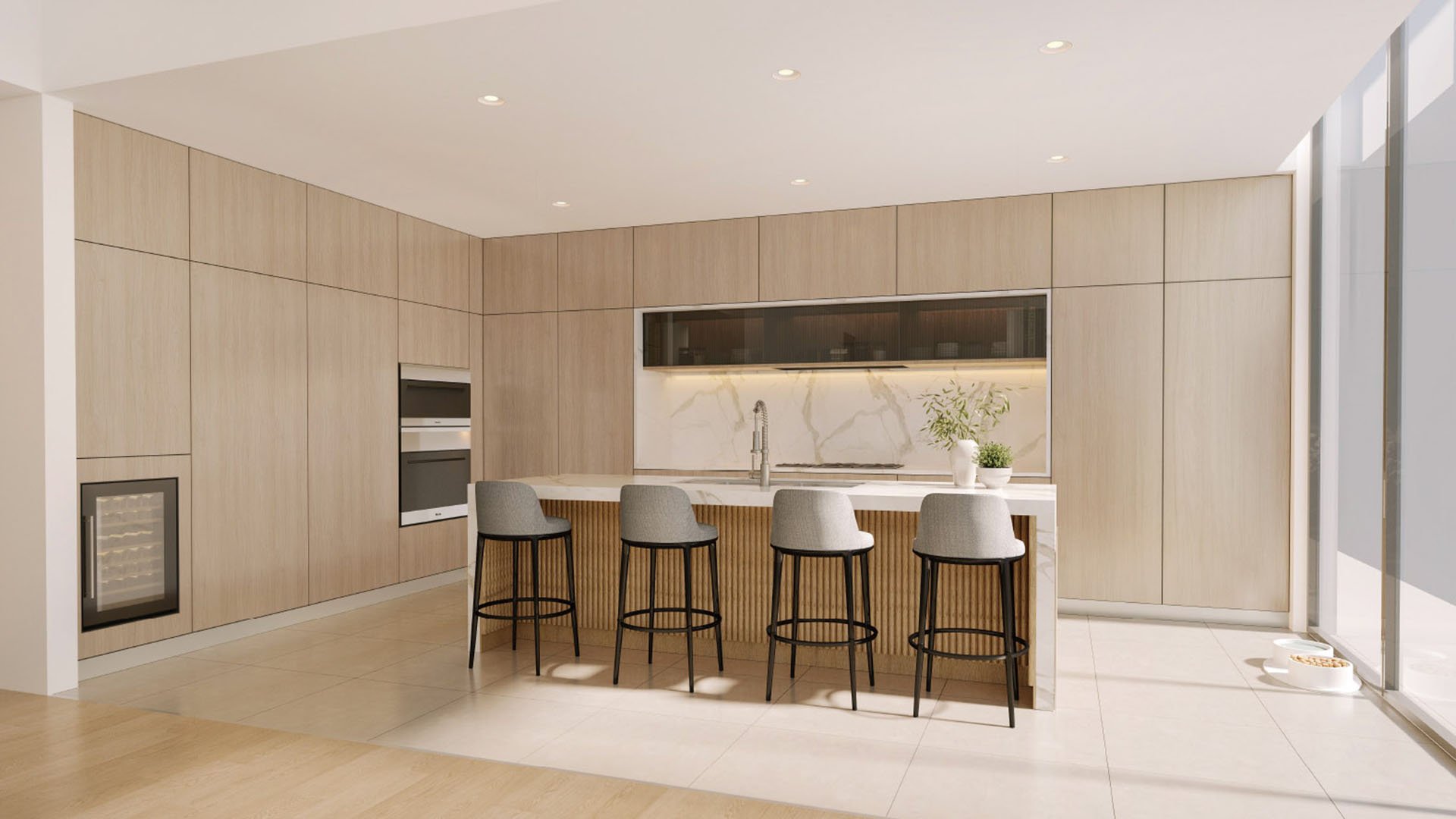
Relocating from Dallas to Palm Beach is an opportunity to rethink how a home accommodates the objects that make it personal. A painting may determine a room’s proportions; a wine collection may influence the service spaces behind it. Yet the most consequential decisions are often less visible: where collections wait, how their environment is maintained, and which policy responds as they move between addresses.
Plan the first year as a sequence, not a single delivery date. Before closing, examine flood exposure and insurance. Before departure, document values and transit protection. During renovations, arrange suitable storage. After installation, reconcile the collection with its insured schedule. A residence can be ready for its owner before it is ready for the collection.
Palm Beach County’s coastal areas are susceptible to storm-surge flooding during tropical storms and hurricanes. For a collector, the location of a proposed art room, wine room, or temporary holding area is therefore a purchase consideration, not a finishing detail. Request a property-specific assessment; a desirable address is no substitute for understanding exposure.
If the search extends to West Palm Beach and includes Alba West Palm Beach, bring the collection brief into the conversation alongside floor plans. Identify where the collection would live and which environmental arrangements require confirmation. A project name alone establishes neither collection suitability nor insurance protection.
Standard homeowners insurance generally excludes flood damage. Condominium unit-owner policies, commonly called HO-6 policies, generally exclude it as well. Discuss flood coverage separately, including how a proposed policy would treat valuable contents. Buying a condominium does not eliminate the need for that conversation.
NFIP residential coverage generally offers limits of $250,000 for the building and $100,000 for contents, depending on the applicable policy. Those figures can leave substantial gaps for a high-value residence and collection. Limits alone do not establish whether a particular artwork or wine loss would be covered.
An inventory records what you own. An insurance schedule identifies significant pieces and their individual insured values. Before the collection leaves Dallas, align those documents, supported by photographs and valuations your insurance adviser considers appropriate.
For art, ask whether existing appraisals remain suitable for the proposed coverage. For wine, agree on how the collection should be described and valued. The objective is not paperwork for its own sake, but a consistent record that follows the collection through packing, storage, delivery, and installation.
Valuable-articles insurance can cover art, wine, and other collections outside a homeowners policy’s ordinary contents limits. Private-client arrangements can also coordinate high-value homeowners coverage, agreed-value collections, excess flood, and umbrella liability. Coordination is useful, but it does not make every loss insured: values, exclusions, locations, and coverage terms remain contract-specific.
Assign responsibility for confirming each transition. The owner, mover, storage operator, and insurance adviser should not work from different assumptions about when protection begins or ends.
Basic mover protection and specialty fine-art transit insurance are not interchangeable. Specialty coverage can insure art on the basis of appraised value rather than the weight-based liability associated with basic mover protection. Request written confirmation of the valuation basis and the stages of the move covered.
That review should address packing, transport, unloading, and any intervening storage. Do not assume a policy described as transit insurance accommodates every delay or change of destination. Establish what happens if the residence is unavailable on the planned delivery date.
For buyers considering Forté on Flagler West Palm Beach, as for any prospective home, keep the collection-delivery decision separate from the closing decision. Confirm access arrangements and room readiness before authorizing shipment. The purchase calendar and collection calendar should inform each other without being forced into alignment.
Conditioned storage deserves its own brief. Ask prospective facilities to specify their temperature and humidity parameters, how conditions are maintained, and what happens when equipment fails. Establish requirements for the particular wine and art collections; a generic climate-controlled description is no substitute for that discussion.
For wine moving long distances or awaiting a finished residence, climate-controlled transport and storage are practical options to evaluate. Compare the handling plan as carefully as the destination room. A well-designed wine room is only one part of the relocation.
Temporary storage should also have a documented duration, an extension procedure, and confirmed insurance treatment. Ask whether the policy identifies the storage location, whether limits change there, and who must be notified if the stay runs longer than expected.
When assessing Mr. C Residences West Palm Beach, place anticipated interiors work on the same planning calendar as off-site storage. This is a buyer’s planning exercise, not an assumption about the project’s facilities or delivery arrangements.
Redundant cooling and emergency backup power are distinct features worth investigating when comparing storage options. Ask which equipment the backup arrangement supports, how interruptions are addressed, and who is responsible for responding. A backup-power description should prompt more specific questions, not end the inquiry.
Apply the same discipline to a residence. At Shorecrest Flagler Drive West Palm Beach or another shortlisted property, request confirmation of any proposed collection-cooling and backup arrangements. Do not infer that emergency systems serving a building also serve a private wine room. Residential equipment selection and installation require property-specific professional advice.
Insurance requires a separate review. Ask explicitly whether wine spoilage following power failure or cooling-system breakdown is covered. Equipment resilience and contractual protection address different problems; neither substitutes for the other.
Once the collection is installed, reconcile the delivered inventory with the insured schedule and photograph valuable items in place. Confirm final locations, report changes as required, and revisit values where appropriate. Acquisitions, disposals, and pieces retained in storage should not be lost between successive versions of the household inventory.
Schedule a further review during the first year and before renewal. Policy limits should reflect the value of the home and contents; consider increases where they fall short. Review flood arrangements, collection values, and any remaining off-site exposure together.
The best relocation plan allows the home and collection to settle at different speeds without leaving protection to assumption. That is the quiet advantage of planning beyond move-in day.
Explore residences with your collection’s first year in mind through MILLION.
If branded residences are on your mind — as a home or as an allocation — we would be glad to share what we are seeing, privately.
Begin a quiet conversationBegin before closing, while evaluating flood exposure, collection-room locations, and insurance. Document values and confirm transit and storage protection before departure.
Standard homeowners insurance generally excludes flood damage. Discuss separate flood coverage and its treatment of valuable contents with your insurance adviser.
HO-6 unit-owner policies generally exclude flooding. Condominium buyers should assess flood protection separately rather than assume it is included.
NFIP residential coverage generally offers limits of $250,000 for the building and $100,000 for contents, depending on the applicable policy. Those limits may leave substantial gaps for a high-value home and collection.
It lists significant pieces at individual insured values. Accurate valuations help align the schedule with the collection being relocated.
Specialty fine-art transit insurance can use appraised value rather than the weight-based liability associated with basic mover protection. Confirm the valuation basis and covered stages in the actual contract.
Request temperature and humidity parameters, equipment-failure procedures, and details of any cooling redundancy or backup power. Confirm the storage duration and how insurance applies at that location.
Do not assume it does. Request property-specific confirmation of which equipment any backup arrangement supports.
No such coverage should be assumed. Ask whether the policy explicitly covers spoilage following power failure or cooling-system breakdown, subject to its terms and exclusions.
Reconcile the installed collection with its inventory and insured schedule, including pieces still in storage. Revisit values, policy limits, flood protection, and any location changes.