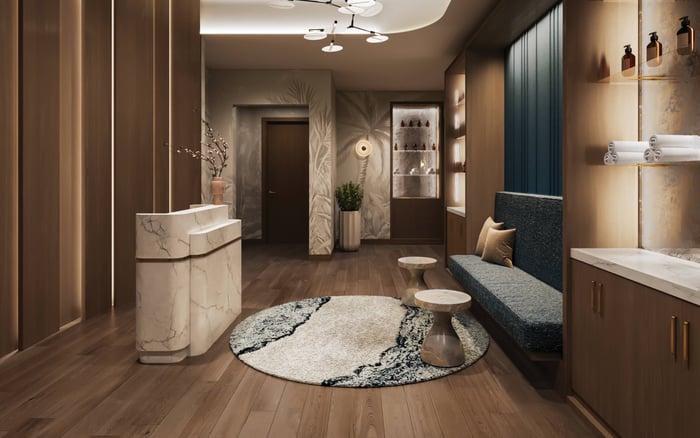
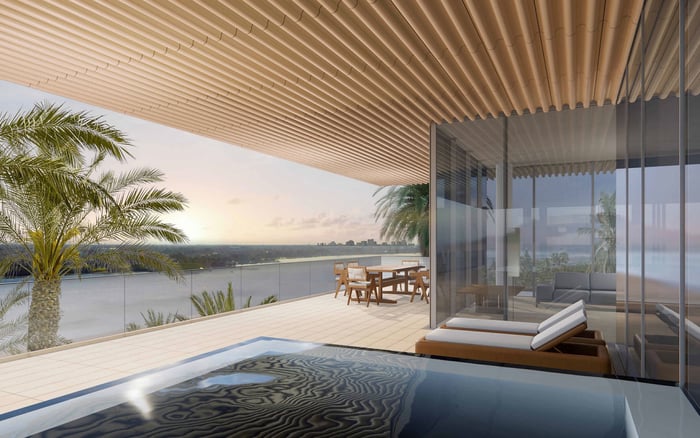
A collector’s residence deserves more than beautiful display walls. In West Palm Beach, thoughtful planning connects collection-specific lighting, daylight control, verified installation details, and written insurance answers before the first work arrives.
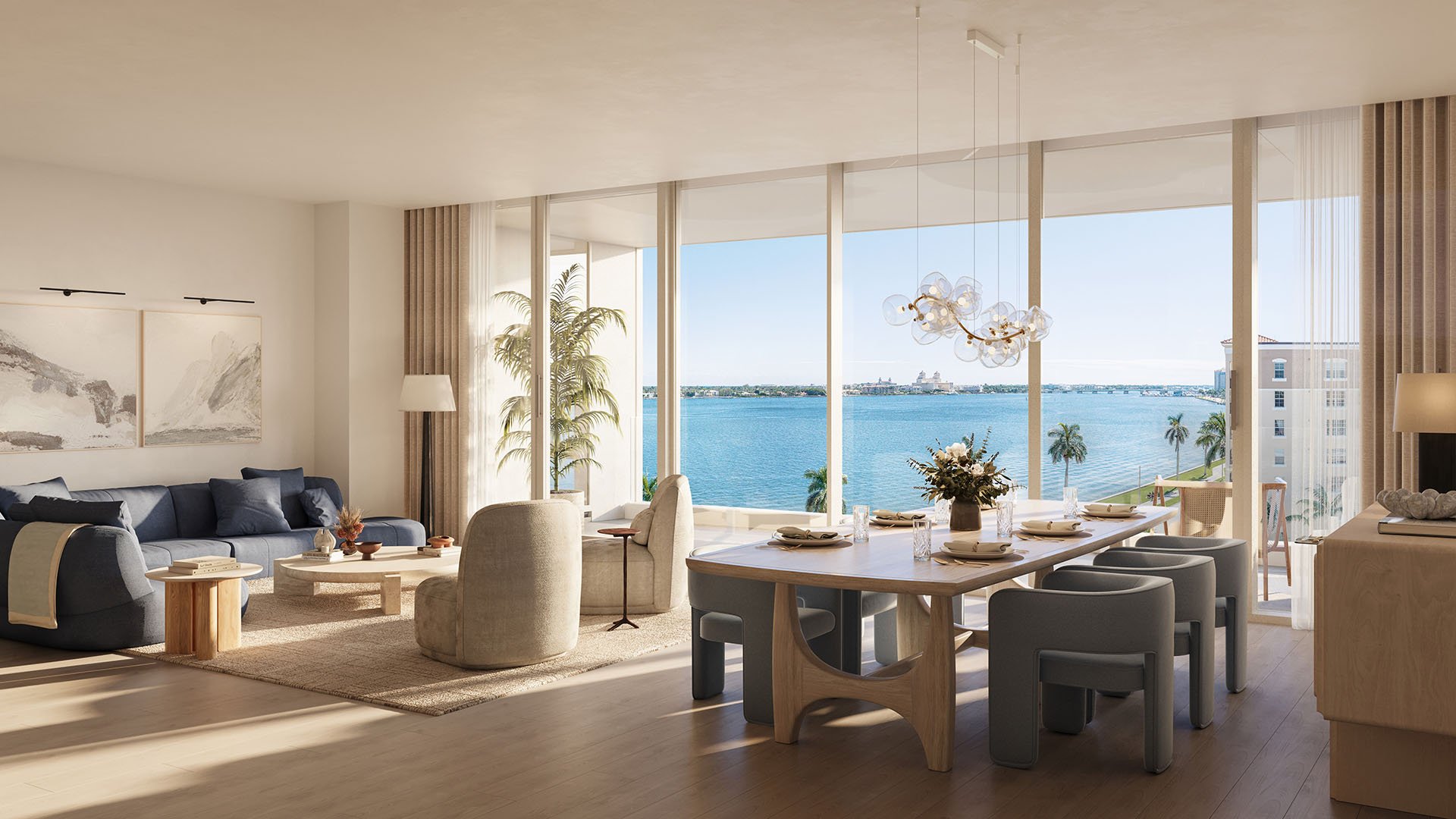
A residence designed around art should make the collection feel effortless without treating its care casually. For a West Palm Beach buyer, the question is not simply whether a living room has enough wall space. It is whether each proposed display position can accommodate the work’s sensitivity, installation requirements, and insurance conditions.
Treat “museum-grade” as a brief to define, not a promise conveyed by a fixture or finish. Before choosing lighting, ask a conservator to identify sensitive works, then coordinate the display plan with the designer, installer, and insurance adviser. Beauty and restraint can coexist, but operational decisions should precede decorative ones.
When considering Alba West Palm Beach, for example, bring a collection inventory to the residence review. Use it to identify which walls merit further investigation rather than assuming an appealing interior already answers the conservation questions.
Light damage is cumulative. Exposure depends on illuminance multiplied by time: 200 lux for 200 hours produces the same light exposure as 100 lux for 400 hours. Even a softly lit work accumulates exposure throughout the day. There is no universally safe light level for light-sensitive materials.
Use these figures as starting points for a collection-specific discussion:
Approximately 50 lux for sensitive works, including watercolors, textiles, photographs, and other works on paper.
Approximately 150-200 lux for oil, tempera, and acrylic paintings, subject to the pigments and condition of the individual work.
Approximately 300 lux as a traditional display benchmark for relatively light-insensitive materials such as stone, metal, and glass, not for every sculpture.
A planning benchmark is not permission to illuminate indefinitely. Ask what level is appropriate for each object and how long it should remain lit. Sensitive pigments can require greater restraint than the broad material category suggests.
Measure illuminance at the artwork’s display position. A general room reading does not establish what reaches its surface. For a proposed arrangement at Forté on Flagler West Palm Beach, request measurements at the intended art locations before considering the lighting plan complete.
UV filtering is important, but it does not provide complete protection against fading. Visible light also damages vulnerable materials. Keep artwork out of direct sunlight and pair UV filtering with visible-light control, such as blinds or shades.
The scale of daylight explains the distinction. Illustrative levels can reach approximately 35,000 lux through a window and up to 136,000 lux in direct sunlight. These are not predictions for a particular residence. They show why an appealing impression of daylight is no substitute for measurement.
Keep UV as close to zero as possible. Watercolors and paintings containing sensitive dyes or lakes warrant especially tight control; a planning reference for these works pairs 50 lux with a maximum of 30 microwatts per lumen. Have the conservator determine the appropriate limits rather than treating that figure as a universal allowance.
Visible illumination and UV require different measurements. An ordinary light meter cannot establish UV exposure; a UV meter is needed. Ask for both to be assessed where the art will hang, with the proposed window treatments in use.
Properly selected LEDs are suitable for museum lighting, but they are not damage-free. White light from any source can fade vulnerable surfaces, and any UV emissions should be filtered. Fixture selection must therefore be part of a broader plan for intensity and duration.
Switch collection lighting off when works are not being viewed and minimize exposure during storage. Ask the designer to make those habits straightforward: can art lighting be controlled separately, and can household members readily identify the intended viewing settings?
For a buyer evaluating Mr. C Residences West Palm Beach, these are design questions, not assumptions about supplied systems. Request a demonstration of the proposed controls and record the agreed settings and readings. Keep that record as a household reference, not a claim of universal conservation compliance.
A wall’s appearance does not establish its capacity to support an artwork. Before approving an installation, ask the appropriate qualified professionals to identify the wall construction, establish the work’s total installed weight, and determine an attachment approach for that specific assembly.
Ask what supports the attachment behind the finish. Who will verify the proposed installation? What drawings or written details will guide the installer? If the artwork or location changes, who will reassess the arrangement?
Do not substitute a generic weight limit, backing thickness, anchor specification, or hanging system for this review. The objective is a documented answer for the actual wall and object, not a familiar hardware name.
When reviewing a residence at Shorecrest Flagler Drive West Palm Beach, ask which installation details can be reviewed before finishes are finalized. Separately, confirm applicable municipal and building requirements. Permitting guidance does not establish structural adequacy or determine whether a particular artwork installation needs a permit.
Do not assume that homeowners or fine-art insurance covers flooding from external weather events. Treat external flooding as a potential exclusion until the policy and any applicable endorsements have been reviewed and the insurer has confirmed coverage or exclusion in writing.
Keep the insurance conversation specific to the collection’s intended use. Ask whether transit to the residence, unpacking, installation, temporary storage, and any later relocation are covered. Request the relevant limits, exclusions, deductibles, and conditions rather than relying on a broad description of collection protection.
Valuation and acquisitions deserve separate answers. Ask how values are established, what documentation is required, and when a newly acquired work becomes insured. Each requires written confirmation rather than an assumption of protection.
For storm planning, ask who would authorize a move, where works could go, and whether both the movement and destination would be insured. Agree on a collection-specific response rather than assuming a fixed relocation protocol suits every residence.
Create a concise collection file linking each work to its intended location, agreed lighting approach, installation documentation, and insurance answers. Assign responsibility for unresolved questions before delivery. The aim is a home where enjoying the collection does not depend on remembering unwritten instructions.
For a considered approach to your next West Palm Beach residence, explore MILLION.
If branded residences are on your mind — as a home or as an allocation — we would be glad to share what we are seeing, privately.
Begin a quiet conversationNo. Approximately 50 lux is a planning benchmark for sensitive materials, but lower illumination only slows damage and does not eliminate it.
Light exposure accumulates with illuminance multiplied by time. For example, 200 lux for 200 hours gives the same exposure as 100 lux for 400 hours.
Approximately 150–200 lux may be appropriate for oil, tempera, and acrylic paintings. Sensitive pigments or the work’s condition can require lower levels.
No. It is a traditional display benchmark for relatively light-insensitive materials such as stone, metal, and glass, not a universal sculpture specification.
Not completely, because visible light can also damage vulnerable materials. Keep artwork out of direct sunlight and combine UV filtering with visible-light control.
No. A light meter measures visible illumination, while UV exposure requires a UV meter.
No. Properly selected LEDs are suitable for museum lighting, but their white light can still fade vulnerable surfaces, and any UV emissions should be filtered.
Ask qualified professionals to assess the actual wall construction, installed artwork weight, and proposed attachment details. A generic hardware specification or permitting guidance does not establish capacity.
No. Treat flooding from external weather events as a potential exclusion and obtain written confirmation after reviewing the policy and applicable endorsements.
Request written answers on transit, unpacking, installation, temporary storage, valuation, and newly acquired works. Confirm relevant limits, exclusions, deductibles, and conditions.