A pre-completion assignment deserves more than a review of price and delivery. Buyers should distinguish funding and title questions from warranty rights, defect-claim deadlines, tolling provisions, and the documents needed to preserve a meaningful remedy.
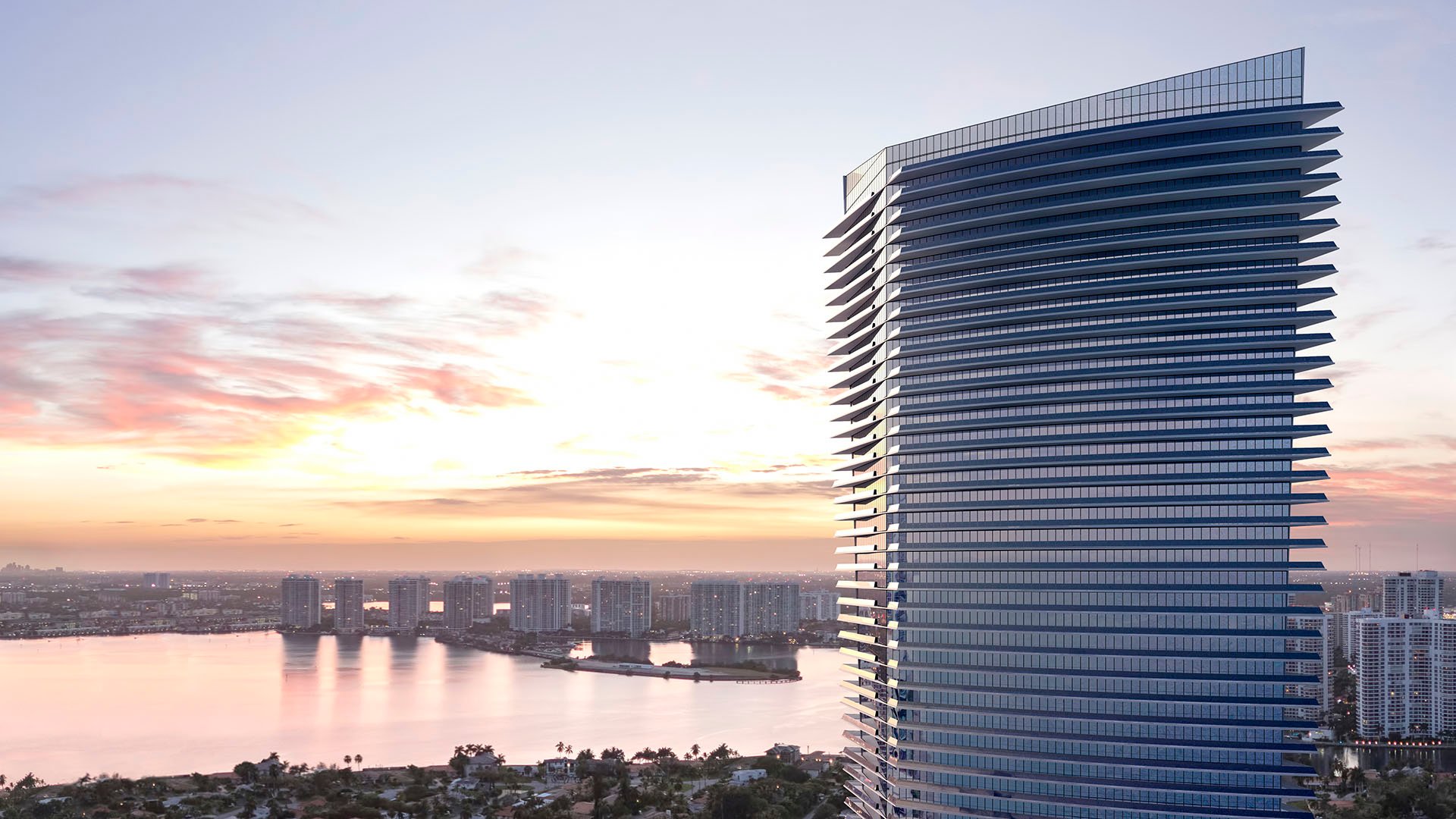
A pre-completion assignment in South Florida can offer access to a residence that fits a highly specific brief. The financial review, however, should extend beyond the assignment price and remaining purchase obligations. The essential question is which contractual protections, warranty rights, and construction-defect remedies the buyer will actually hold-and how much time remains to exercise them.
For a buyer considering Brickell residences such as The Residences at 1428 Brickell, the discipline is to evaluate the residence and the legal position separately. Project references here provide geographic context, not statements about assignment availability, defects, or particular contract terms.
Ask Florida real-estate and construction counsel to map the relevant rights, responsible parties, and dates before funds become irrevocably committed. That review should establish the remaining protection rather than presume the transfer creates a fresh warranty or claim period.
Funding approval, title review, and construction-claim analysis should remain separate workstreams. An answer in one category is no substitute for a written answer in another.
Ask the lender what it needs to evaluate the particular assignment: the purchase contract and amendments, developer consent if applicable, payment history, completion documentation, and any disclosed dispute. Clarify how the assignment consideration and remaining purchase balance will be treated. These are transaction-specific questions, not universal financing requirements.
For title, ask counsel and the title insurer to explain the proposed commitment, exceptions, construction-lien questions, and any documents needed before closing. Obtain a written explanation of any coverage being relied upon. Do not assume a policy addresses physical construction deficiencies or preserves warranty remedies.
The objective is a coordinated closing checklist that assigns issues to the lender, title insurer, developer, assignor, and buyer. An unresolved claim-transfer issue requires a separate decision, not an assumption that closing paperwork will resolve it.
Florida condominium law provides condominium purchasers with developer-implied warranties of fitness and merchantability for specified components and their intended uses. The developer's statutory warranty for each unit generally lasts three years from completion of the building containing that unit, not from the assignment date.
Roofs, structural components, and specified building-serving systems follow a different formula. Coverage generally ends three years after completion or one year after nondeveloper owners obtain association control, whichever is later, but no later than five years after completion.
That building-systems provision expressly excludes mechanical elements serving only one unit. The exclusion calls for component-specific analysis, not a conclusion that every in-unit mechanical item lacks protection. Contractors, subcontractors, and suppliers also provide statutory implied warranties for specified work and materials.
For Miami Beach buyers exploring The Perigon Miami Beach, a component schedule is a useful diligence format. Have counsel identify each relevant component, warranty provider, beneficiary, start date, and remaining coverage, distinguishing statutory protection from any express warranty offered in the documents.
Warranty coverage, presuit procedures, statutes of limitations, and statutes of repose answer different questions. A warranty period is not interchangeable with the deadline to bring an action. A statute of repose creates an outside deadline that can bar a construction-defect action even when the defect is discovered later.
The seven-year Florida construction-defect repose framework generally runs from the earliest issuance of a temporary certificate of occupancy, certificate of occupancy, or certificate of completion, or from abandonment if construction remains incomplete. Counsel should confirm the applicable statutory version, transition rules, provisions, and exceptions before calculating a transaction-specific deadline.
For completed work within the relevant permit and final-certificate scope, repairs or defect corrections generally do not restart repose for the original construction. Neither a repair promise nor a later purchase should be treated as a fresh clock.
Request the underlying certificates and completion records. A marketing delivery date is no substitute for counsel's review of the legally relevant triggering event.
Florida's construction-defect presuit framework addresses notices and related procedures. Its definition of a defect encompasses deficiencies arising from design, specifications, surveying, planning, supervision, construction, repair, alteration, and remodeling. Defective materials and specified building-code violations can also qualify.
Request any previously served notices, responses, inspection findings, repair proposals, settlement documents, and releases. Counsel should determine which procedural steps remain and whether earlier agreements affect the rights the buyer expects to receive.
In Sunny Isles Beach, a buyer evaluating Bentley Residences Sunny Isles should apply the same document-first approach to any proposed assignment. A statement that an issue was addressed is less useful than a file showing what was identified, what work followed, and which rights were preserved or released.
A tolling agreement warrants separate legal review. Do not assume it automatically transfers with the purchase contract or validly extends a repose deadline. Its usefulness depends on its language, parties, covered claims, and applicable law.
Ask counsel to identify the protected claimant, bound parties, deadlines addressed, termination provisions, and whether consent or an amendment is needed for the assignee. A reference to limitations should not be casually read as protection against repose.
Possible negotiated protections include express assignment language, an acknowledgment from the relevant party, delivery of the complete claim file, and an assignor indemnity for specified representations. These are options for counsel to evaluate-not universally required statutory terms or guarantees that a claim remains viable.
Florida condominium law provides special limitations timing for condominium-association actions tied to nondeveloper control. It should not be treated as a blanket extension of every owner's claim or repose deadline.
Certain association claims against developers involving design, structural, construction, or licensed building-system work require examination and certification by an appropriately licensed Florida professional. Determine whether the issue belongs to the individual purchaser or the association, or requires separate analysis for each.
Review dispute-resolution provisions as well. Some arbitration provisions can run with the land and bind subsequent purchasers who never signed the original agreement. A transfer of rights therefore warrants scrutiny of the procedure for enforcing them, not simply their description.
Before proceeding, request a concise rights-and-deadlines memorandum alongside the funding and title checklist. It should distinguish statutory warranties from express warranties, identify claim ownership, address transfer restrictions and consents, and flag unresolved dates or procedural obligations. Do not substitute statutory bulk-assignee rules for analysis of an ordinary single-unit contract assignment.
The strongest negotiating position rests on clarity: what the buyer receives, what remains uncertain, and which protections are worth requesting before commitment. This is a diligence framework, not transaction-specific legal advice.
For a considered perspective on South Florida's exceptional residences, explore MILLION.
If branded residences are on your mind — as a home or as an allocation — we would be glad to share what we are seeing, privately.
Begin a quiet conversationThe developer's statutory unit warranty generally runs for three years from completion of the building containing the unit, not from the assignment date.
No. Roofs, structural components, and specified building-serving systems generally have coverage ending three years after completion or one year after nondeveloper control, whichever is later, capped at five years after completion.
That provision expressly excludes mechanical elements serving only one unit. Counsel should evaluate whether other statutory or express protections apply to the particular component.
Repose can bar an action even when the defect is discovered later. The seven-year Florida framework requires review of the applicable statutory version, triggering events, transition rules, and exceptions.
For completed work within the relevant permit and final-certificate scope, repairs generally do not restart repose for the original construction.
Do not assume automatic transfer or a valid extension of repose. Counsel should examine the parties, covered claims, deadlines, transfer terms, and any necessary consent.
Request existing presuit notices, responses, inspection findings, repair proposals, settlement documents, releases, and tolling agreements. These help counsel assess procedural obligations and the rights available for transfer.
No. Florida condominium law provides special limitations timing for association actions, not a blanket extension of every individual claim or repose deadline.
Some arbitration provisions can run with the land and bind subsequent purchasers. Counsel should review the relevant documents before assuming a court action will be available.
Ask the lender for its transaction-specific assignment and funding conditions, and ask the title insurer to explain the proposed commitment, exceptions, and coverage. Keep those answers separate from the legal assessment of defect claims and warranties.