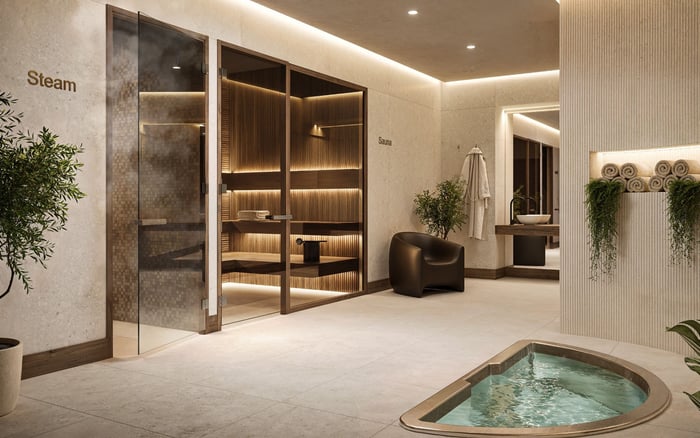
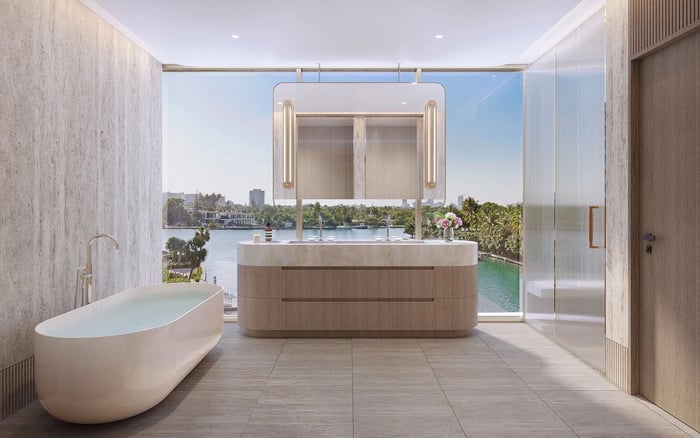
Midtown Miami’s wellness offerings can be compelling, but careful ownership begins with operating rules, true access, carrying costs, and a realistic test of medical proximity.
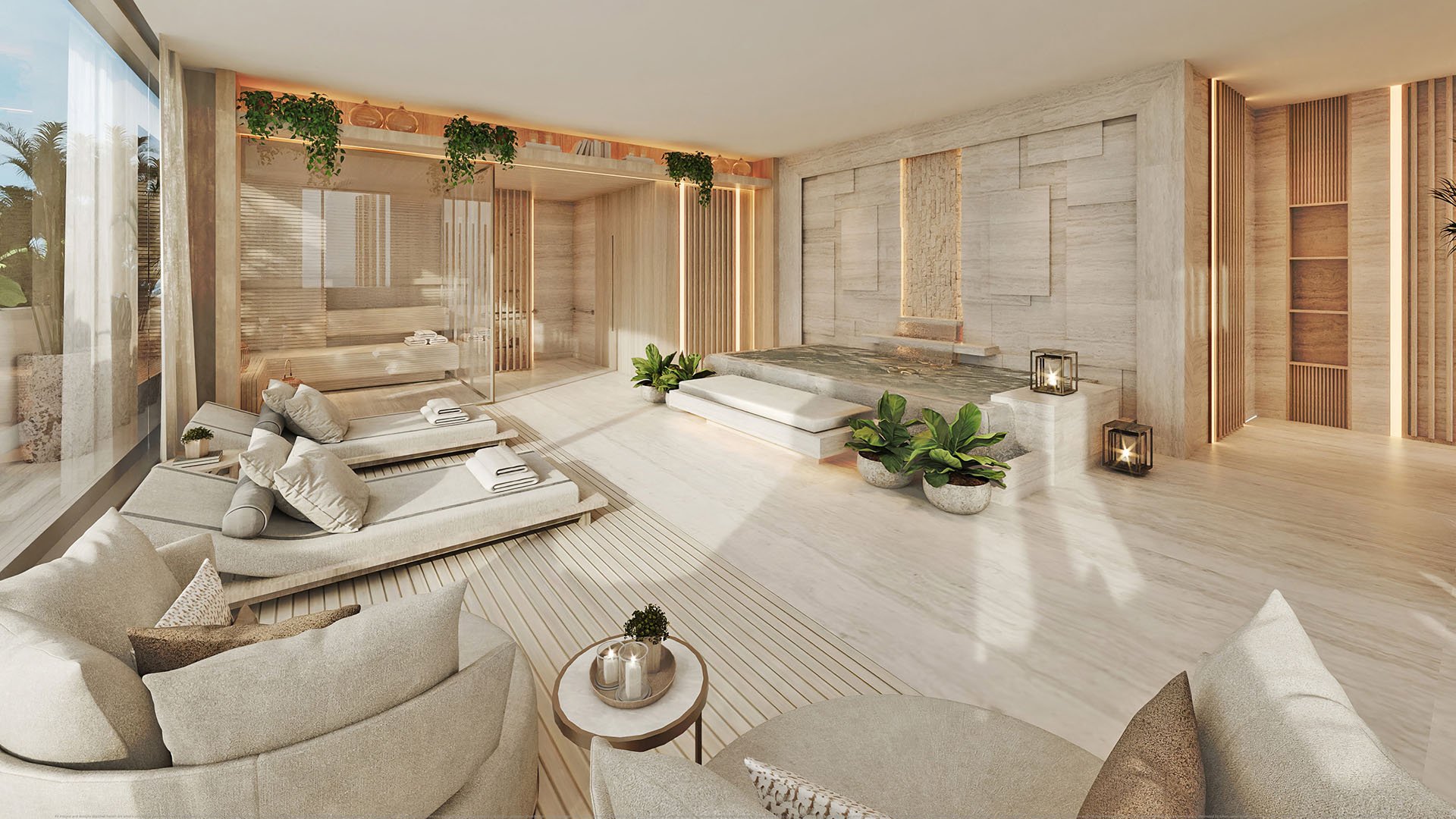
In Midtown Miami, pools, spas, yoga spaces, saunas, treatment rooms, and fitness settings may influence how a residence functions from week to week. A careful buyer should distinguish between an appealing amenity inventory and a wellness program that remains convenient, private, and financially sensible after closing.
The essential question is not simply what exists, but how each space operates when residents and guests arrive, equipment requires service, and peak-hour demand tests capacity. A second-home buyer should also determine whether preferred services will be available during shorter, less flexible stays.
Amenity descriptions are useful starting points, but they do not establish practical access. Buyers should review operating hours, reservation systems, guest policies, staffing, capacity limits, and any restrictions on simultaneous use.
The relationship among wellness, social, and work-oriented spaces also deserves attention. Programming may enhance a resident’s routine, but it may also increase demand or introduce noise and circulation patterns that are not obvious during a sales presentation.
Daily convenience can matter as much as a dedicated treatment suite. Buyers should consider how food shopping, outdoor movement, transportation, storage, and the route between a residence and its amenities support a low-friction routine.
Before assigning value to a pool, spa, studio, or fitness room, examine the applicable offering documents, management disclosures, fee schedules, and amenity rules. Confirm whether facilities are exclusively residential or shared with other users. Ask who receives booking priority, how far in advance reservations open, how many guests an owner may bring, and whether outside trainers or practitioners are permitted.
Staffing is equally important. A treatment room without dependable practitioners differs from an operating spa, while an accessible fitness room differs from staffed services with limited schedules. Buyers should identify service fees, recurring maintenance obligations, cancellation charges, planned closures, and procedures for repairing specialized equipment.
Medical proximity should not be reduced to a map pin. No facility, distance, or travel time should be assumed without direct verification. Test the complete journey from the residence door to the intended point of care, accounting for elevator waits, valet retrieval, garage access, ride-share pickup, traffic, parking, building entry, and after-hours procedures.
Repeat the exercise at the times that matter to the household. A route that feels straightforward during a midday tour may perform differently early in the morning, during evening traffic, or on a weekend. Buyers managing recurring appointments should also assess backup transportation and whether a family member, driver, or caregiver can enter and depart efficiently.
A broader South Florida search can help a buyer compare operating models and ownership priorities. Relevant residential comparison points may include House of Wellness Brickell, The Well Coconut Grove, Miami Tropic Residences, and Frida Kahlo Wynwood Residences.
These properties should serve as comparison points rather than substitutes for reviewing each property’s legal documents, access policies, fee structure, and operating conditions. Building-level execution remains decisive even when two residences appear to offer similar wellness categories.
Visit early in the morning, after work, and on a weekend. Observe whether desired spaces are obtainable, fitness equipment draws queues, sound carries into quieter rooms, and elevators comfortably support movement between residences and shared areas.
Ask to see wellness spaces in ordinary operation rather than only during a staged presentation. Review ventilation, storage, changing areas, towel handling, treatment-room privacy, and the route from wet facilities back to the residence. Careful ownership means evaluating both visual appeal and everyday friction.
The strongest amenity package is the one a buyer will use consistently. Assign value based on verified access, schedule compatibility, privacy, service depth, and total cost. Then assess medical proximity with the same discipline. In Midtown Miami, close attention to the fine print can separate a durable ownership advantage from an underused expense.
Does a large amenity footprint guarantee uncrowded access? No. Reservation rules, guest policies, operating hours, and resident demand determine practical access.
Why does private amenity space still require verification? Private space may remain subject to booking limits, guest allowances, closures, capacity controls, and house rules.
What should buyers confirm about spa treatment rooms? Verify staffing, appointment hours, pricing, cancellation terms, and practitioner access.
How should seasonal owners evaluate wellness services? They should confirm that preferred facilities and services are available during their typical stays.
Should buyers tour amenities more than once? Yes. Visits at different times can reveal realistic demand, sound levels, and circulation patterns.
What matters beyond fitness equipment brands? Maintenance, ventilation, layout, wait times, training rules, and service response all affect usability.
How should medical proximity be measured? Test the complete door-to-door journey at relevant times, including access and transportation delays.
Are map distances sufficient for medical planning? No. Traffic, valet operations, parking, pickup logistics, elevators, and after-hours entry may affect the journey.
Which documents deserve close attention? Review offering documents, management disclosures, fee schedules, and amenity rules before assigning value to wellness features.
What is the best way to shortlist comparable options for touring? Start with location fit, delivery status, and daily lifestyle priorities, then compare stacks and elevations to validate views and privacy.
For a confidential assessment and a building-by-building shortlist, connect with MILLION.
If branded residences are on your mind — as a home or as an allocation — we would be glad to share what we are seeing, privately.
Begin a quiet conversation