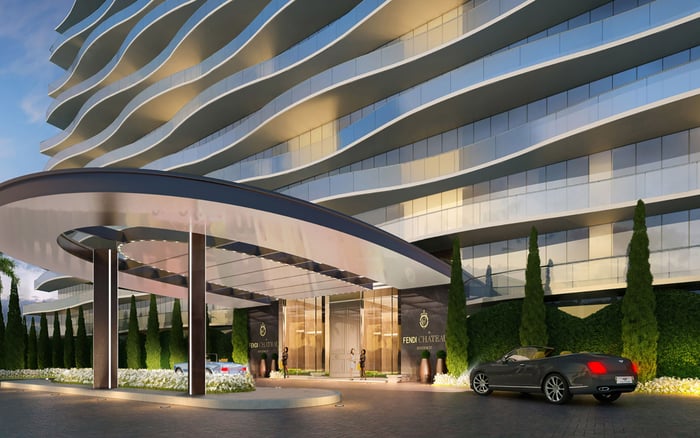
For buyers considering Viceroy Brickell, balcony waterproofing and salt-air exposure belong alongside finishes and monthly charges in the ownership equation. The essential diligence connects physical condition, maintenance responsibility, reserve funding, and repair timing without assuming project-specific defects.
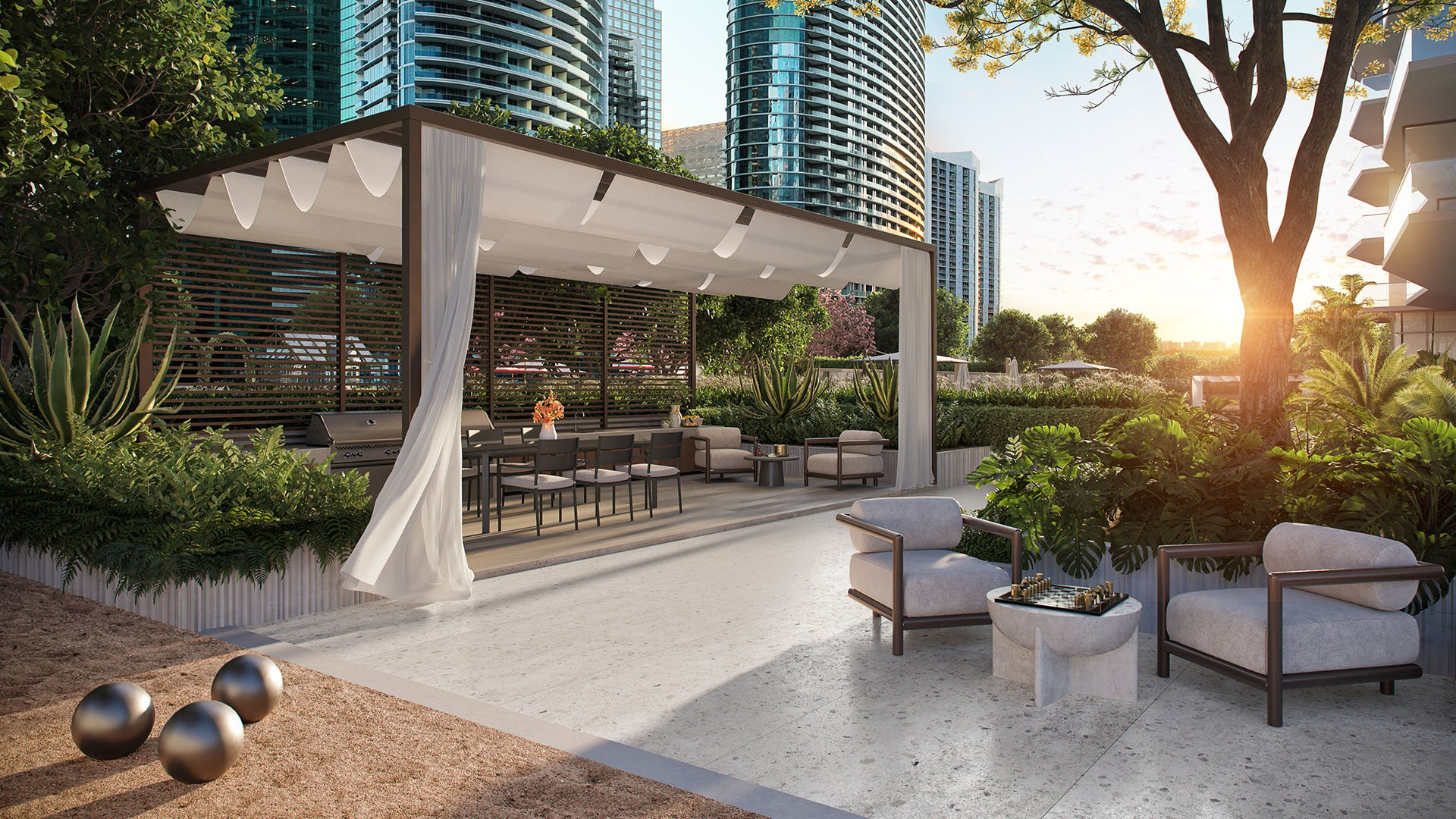
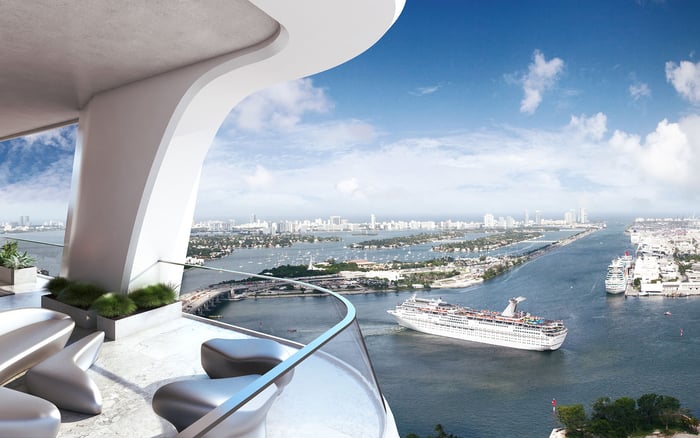
A balcony is part of the pleasure of a Miami residence: an outdoor room, a quieter vantage point, a place where the city feels slightly removed. In the financial model, however, it deserves the same scrutiny as any other major building component. The finish is only the visible layer of a system that must manage moisture and protect structural and metal elements.
For buyers considering Viceroy Brickell, salt-air corrosion and balcony waterproofing are exposures to investigate-not a diagnosis of existing defects or a forecast of assessments. The useful question is not whether to avoid a coastal address. It is whether the purchase decision accounts for maintenance responsibilities, future capital work, and the funding intended to support both.
A sound ownership model distinguishes the cost of enjoying a residence today from the cost of preserving it over time.
Salt deposited on concrete can migrate inward with moisture and reach reinforcing steel. Corrosion can then contribute to cracking and delamination-the separation of concrete layers. Coastal exposure can also accelerate deterioration of metal balcony components. This is a mechanism to evaluate, not evidence that every exposed surface is compromised.
Physical condition and maintenance history matter more than broad assumptions about an address. Coastal exposure should prompt questions about protective systems and upkeep, not unsupported conclusions about Viceroy Brickell.
The distinction also matters when comparing Una Residences Brickell with another residence on a buyer's shortlist. Apply the same questions about exposure, protection, and upkeep, without presuming identical construction details, component lives, or repair needs.
A polished surface does not establish whether a balcony's protective system is performing as intended. A qualified inspection should evaluate waterproofing, traffic-coating condition, drainage slope, and threshold detailing-considerations distinct from the appearance of the walking surface.
The inspection scope should also cover slab edges and balcony undersides, railing posts, embedded connections, and earlier concrete patches, where present. Corrosion-related expansion at connections and the quality of prior repairs deserve attention. Where a condition warrants further investigation, ask the appropriate professional to define the next step rather than relying on a visual impression alone.
For the buyer, the practical request is a component-by-component explanation: what was examined, what condition was observed, what maintenance is recommended, and what remains uncertain. That clarity helps distinguish routine upkeep from an intervention requiring a defined repair scope.
It also keeps the conversation proportionate. An attractive finish is not proof of a sound underlying system, but coastal exposure alone is not proof of failure.
Waterproof-membrane work, resurfacing, structural concrete repair, and railing repair or replacement are distinct scopes to discuss with the appropriate professional. A useful ownership allowance needs pricing matched to the actual work, rather than a generic figure presented as a Viceroy Brickell estimate.
Do not add separate allowances together without checking their boundaries. A full-restoration scope may overlap with membrane, resurfacing, concrete, or railing work. Before adopting any number, establish what the proposed scope includes and excludes.
Nor should a buyer multiply a generic per-balcony allowance by a building's unit count to create a tower-wide estimate. Balcony dimensions, damage, access, specifications, and repair scope require building-specific evaluation. Keep protective-surface work and structural restoration distinct in the financial model, then obtain pricing that matches the defined scope.
Review the condominium documents for the allocation of maintenance, repair, and payment responsibilities. A balcony's relationship to a private residence does not, by itself, settle who must arrange the work or fund it. Ask counsel to explain the relevant provisions rather than assuming every balcony-related expense follows the same allocation.
Alongside those documents, request available engineering evaluations, reserve studies, budgets, and maintenance records. Read them together. A maintenance entry can explain earlier work; an engineering evaluation can identify condition and recommended action; a reserve study can translate projected component needs into a funding plan.
A buyer comparing The Residences at 1428 Brickell should ask the same document questions while keeping each property's answers separate. Comparability comes from consistent diligence, not from assigning neighboring buildings the same risk profile.
Structural inspections and reserve-funding studies serve different purposes. Physical evaluation addresses condition and repair needs. Reserve analysis estimates component useful lives, future repair or replacement costs, and recommended savings. Neither substitutes for the other.
Build a year-by-year view of anticipated work and the funds intended to cover it. Compare repair timing with available reserves and planned contributions. This exercise can reveal a potential funding gap without presuming that a special assessment has been approved or will occur.
For personal budgeting, separate current recurring charges from possible future cash requirements. Check whether reserve contributions are already included in the recurring budget before adding them again. Any contingency should remain an explicit planning assumption, not a purported Viceroy obligation.
For a shortlist including Cipriani Residences Brickell, this approach supports a more useful comparison: examine what each budget covers, when capital work is anticipated, and how responsibility is allocated, rather than judging only the headline monthly charge.
The strongest purchase decision is neither complacent nor alarmist. It gives balcony protection a place in the ownership model while requiring property-specific evidence before assigning a repair cost or discount.
For Viceroy Brickell, focus on the connection between condition, maintenance, responsibility, and funding. If a proposed allowance cannot be tied to a defined scope or a clear assumption, keep it provisional. If projected work and planned savings do not align, seek clarification before treating the budget as complete.
A coastal residence deserves consideration for both the life it offers and the resources required to preserve it.
For a considered approach to South Florida residential ownership, explore MILLION.
If branded residences are on your mind — as a home or as an allocation — we would be glad to share what we are seeing, privately.
Begin a quiet conversationNo. Salt-air exposure is a reason for property-specific diligence, not evidence of defects or inevitable repairs at Viceroy Brickell.
Salt can move into concrete with moisture and reach reinforcing steel. Corrosion can contribute to cracking and delamination.
Relevant items include waterproofing, traffic coatings, drainage slope, thresholds, slab edges, balcony undersides, railing connections, and any previous concrete patches.
No. Surface appearance does not establish the condition of the underlying protective system, which requires appropriate evaluation.
Obtain pricing for a defined, building-specific scope. Do not treat a generic allowance as a Viceroy Brickell estimate or an individual owner's projected bill.
Keep the scopes distinct until a professional defines the required work and pricing. A combined allowance should make clear which components it covers.
Not without confirming scope. Full-restoration work may include some of those components, so adding the allowances could double-count costs.
The applicable condominium documents should be reviewed to establish responsibility. Do not assume that every balcony component has the same maintenance or payment allocation.
A structural inspection addresses physical condition and repair needs. A reserve study estimates component lives, future costs, and recommended savings to support funding planning.
Compare anticipated repair timing and costs with available reserves and planned contributions. A potential shortfall warrants clarification but does not establish that an assessment is approved or inevitable.