At The Delmore Surfside, the meaningful emergency-power question is not whether a generator exists, but precisely which loads it serves, for how long, and under what operating policy.
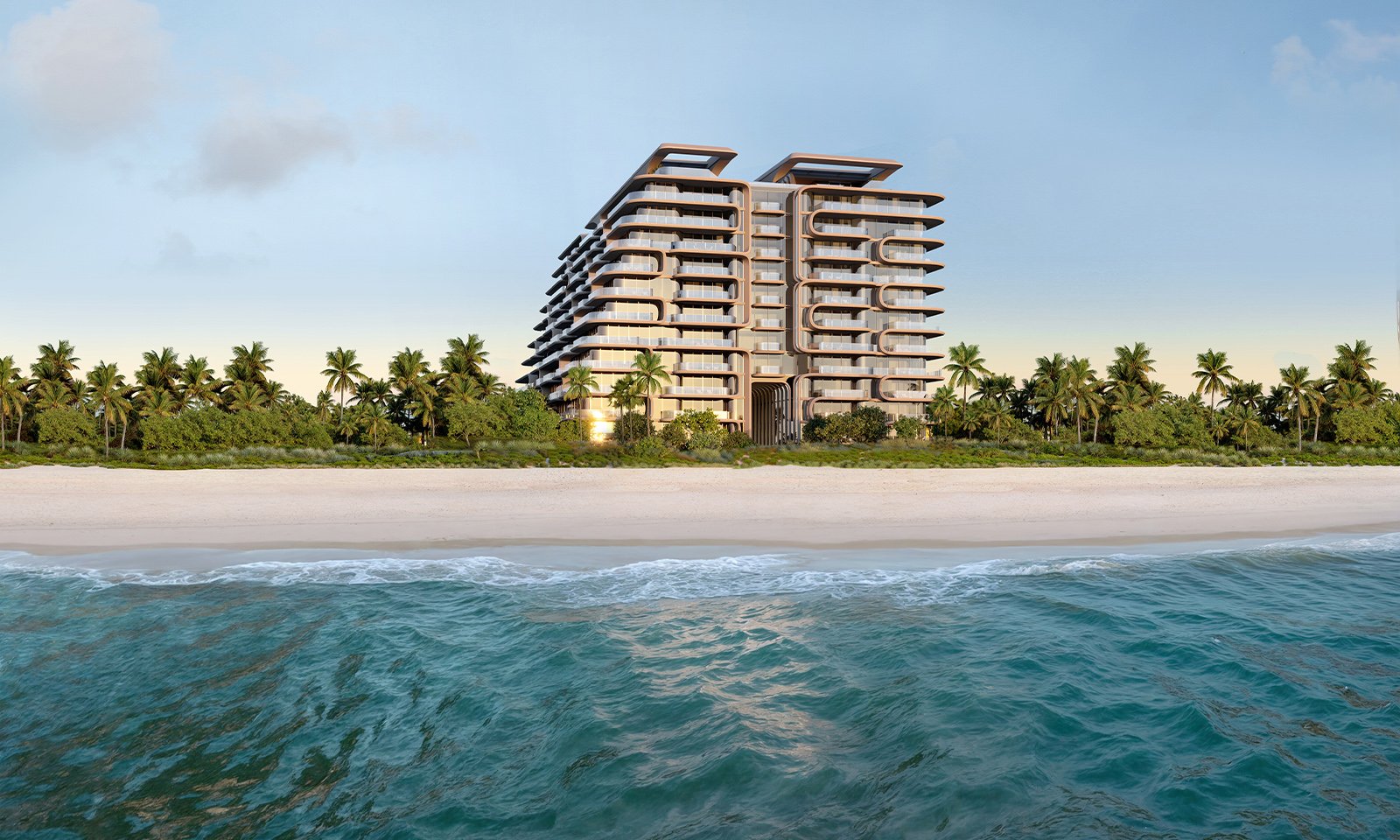
For buyers considering The Delmore Surfside, the phrase “emergency power” demands a more exact reading than it typically receives in a presentation. A generator may be present, but that fact alone does not establish whether a residence retains lighting, refrigeration, air conditioning or even a single receptacle during an outage.
The same precision applies throughout the building. Fire pumps and egress lighting occupy a different category from elevators, domestic-water pumps, garage gates, access control, communications and amenity spaces. For Oceanfront ownership in Surfside, the essential question is not simply whether backup exists, but which loads are connected, prioritized and permitted to operate.
Florida’s statutory “emergency powers” concern what a condominium board may do in response to an event covered by a declared state of emergency. Electrical emergency power concerns generators, fuel, transfer switches and the equipment wired to receive backup electricity.
Section 718.1265 permits a board to take measures reasonably necessary to protect residents and property. A disaster plan may include shutting down elevators, electricity, water, sewer, security systems and air conditioning. The board may also restrict entry to or occupancy of unsafe portions of the property and authorize emergency entry into units to limit damage, remove debris or prevent deterioration.
These operating powers do not promise generator-backed electricity inside a private residence. Nor does the statute prescribe generator size, fuel capacity, runtime or a schedule of supported loads.
“In-residence emergency power” can describe markedly different arrangements. It might mean selected lighting, designated receptacles or specific equipment. It should not be interpreted as whole-home operation unless the governing documents and electrical schedules expressly support that conclusion.
At The Delmore Surfside, a buyer should request a circuit-level description of any private-unit backup. The review should identify the precise panel, breakers and loads served, along with all exclusions. Kitchens, cooling systems, water heating, motorized doors, smart-home controls and medical equipment should each be addressed separately rather than grouped under a broad promise of residence power.
This is a core Buyer’s Guides principle: marketing language describes an experience; electrical documents define capability.
Typical standby systems prioritize life-safety functions such as fire alarms, fire pumps, emergency lighting and illuminated egress. That priority should not be mistaken for evidence that every elevator, pump, security component or resident amenity remains available.
Ask how many elevators can operate simultaneously, whether service rotates among cars and whether management may shed elevator demand during a prolonged outage. Domestic-water and sewage pumps should be identified individually, as should corridor and lobby lighting, access control, cameras, garage gates, communications, ventilation, central HVAC and amenity systems.
This inquiry is equally relevant when comparing nearby options such as Arte Surfside, Ocean House Surfside and The Surf Club Four Seasons Surfside. Their inclusion does not imply equivalent systems. It illustrates why each property requires its own documentary review rather than assumptions based on location, age or luxury positioning.
Connected capacity is only one measure of resilience. Fuel storage, actual operating load and refueling access determine how long supported systems can function. A runtime figure is meaningful only when paired with the load used to calculate it.
For New Project diligence, request fuel capacity, design-load runtime, refueling arrangements and the sequence for shedding nonessential loads. Testing records and maintenance protocols also help distinguish installed capability from dependable operation. Lifestyle continuity may change considerably as an outage extends and fuel preservation becomes more important.
A rigorous review should include the generator one-line diagram, backed-load schedule, transfer-switch configuration, fuel specification and runtime calculation. Buyers should also examine the written emergency plan, because engineering capability and association policy are not the same.
A system may be physically connected yet intentionally unavailable under emergency procedures. Conversely, a backed load may operate only intermittently or according to management priorities. Counsel and an independent electrical professional can help reconcile sales materials, condominium documents, technical schedules and operating rules.
The most useful written response is a three-column matrix: equipment or circuit, backup status and operating limitation. It should distinguish life safety, common-area continuity, resident comfort and private-residence circuits. This structure turns a general assurance into a decision-ready record.
The correct conclusion is neither that emergency power is comprehensive nor that it is minimal. Project-specific coverage must be established through the final electrical and operating documents. Until then, “generator,” “emergency power” and “backup” remain category labels-not complete performance specifications.
For a luxury buyer, this fine-print work carries practical consequences. The value lies in knowing what remains usable, what may be restricted for safety, how long operation is designed to continue and who controls the transition from normal service to emergency mode.
Does a generator mean The Delmore residence will retain full electricity? No. Whole-residence coverage should be assumed only if circuit schedules and governing documents expressly confirm it.
Are statutory emergency powers the same as electrical emergency power? No. The former governs board authority during qualifying declared emergencies; the latter concerns backup equipment and connected loads.
Which systems usually receive first priority? Fire alarms, fire pumps, emergency lighting, egress lighting and related life-safety equipment are commonly prioritized.
Does life-safety backup confirm elevator service? No. Buyers should confirm the number of supported cars, operating sequence and any load-shedding policy.
Will domestic water necessarily remain available? Not necessarily. The relevant pumps must be connected to backup power and permitted to operate under the emergency plan.
Can the association shut down a supported system? Yes. Safety measures may include shutting down elevators, utilities, security systems or air conditioning when reasonably necessary.
What determines generator runtime? Fuel capacity, operating load and practical refueling access collectively determine the duration of service.
Which technical records matter most? Request the one-line diagram, load schedule, transfer-switch configuration, fuel details, runtime calculation and testing records.
Why is the written emergency plan important? It explains how management may restrict areas, prioritize loads and operate systems even when equipment is technically supported.
What is the best way to document coverage before purchase? Obtain a written, load-by-load matrix and have counsel and an electrical professional reconcile it with the condominium documents.
For a confidential assessment and a building-by-building shortlist, connect with MILLION.
If branded residences are on your mind — as a home or as an allocation — we would be glad to share what we are seeing, privately.
Begin a quiet conversation