Frequent hosts evaluating The Cove Residences Edgewater should look beyond presentation and verify how capacity, reservations, catering, alcohol, security, noise and commercial-use provisions would affect their events in practice.
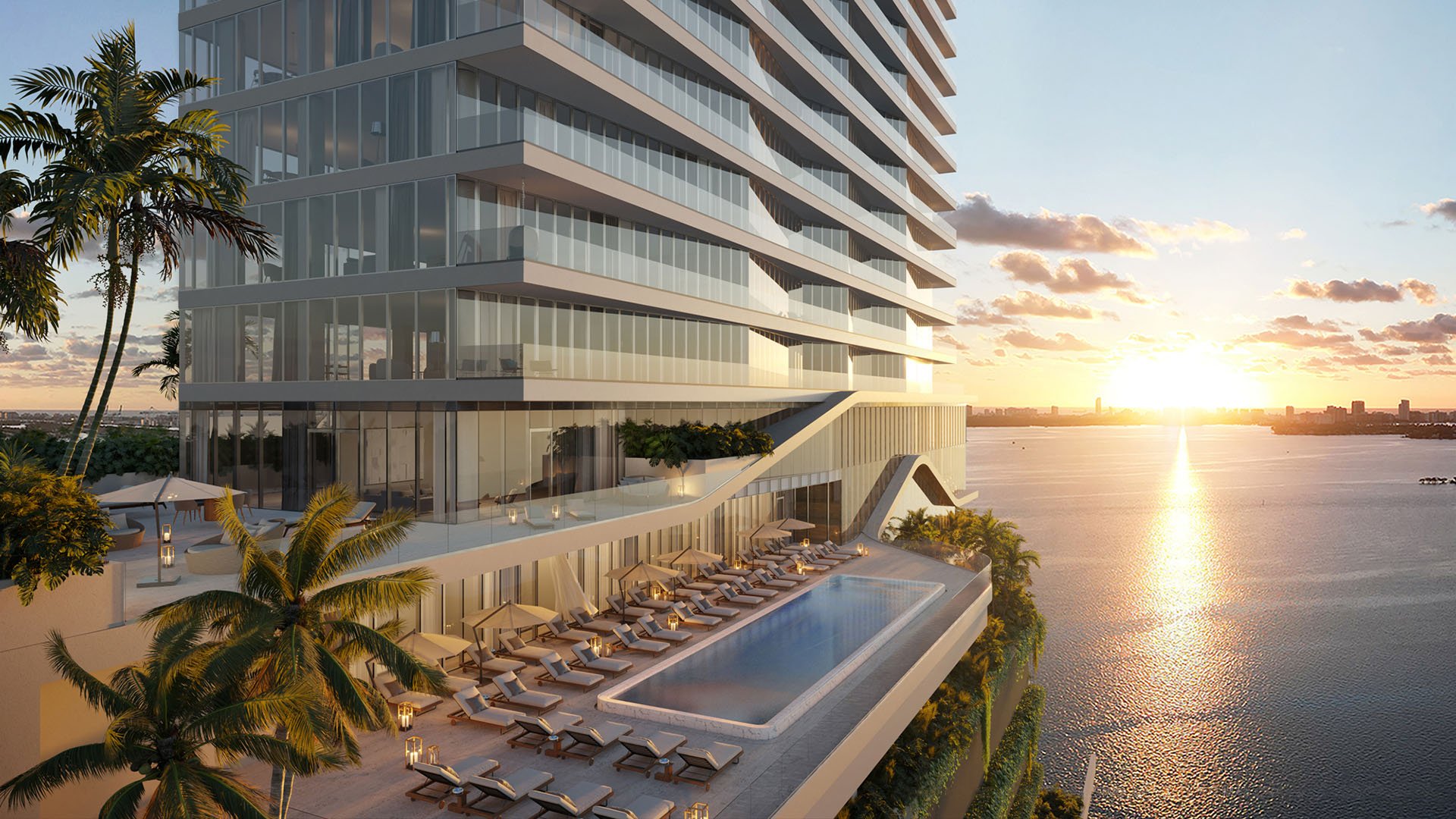
For buyers who entertain regularly, evaluating The Cove Residences Edgewater requires more than reviewing renderings or the names assigned to shared spaces. The practical value of an amenity depends on when it can be reserved, how many people may attend, which services are permitted and what obligations fall on the host.
Those details typically emerge through governing documents, reservation forms, fee schedules and written management guidance. Until those materials are reviewed, buyers should treat event access as a diligence question rather than an assumed ownership benefit. The questions below are not statements about The Cove’s current policies; they are a framework for determining whether the eventual operating regime fits a frequent host’s expectations.
For a frequent host, an amenity becomes useful only when its operating rules support the gathering the owner intends to hold.
A space can appear suitable for entertaining while functioning very differently once occupancy limits, furniture layouts, service circulation and vendor staffing are considered. Buyers should request a room-by-room occupancy schedule and confirm whether the stated maximum includes caterers, performers, security personnel and other event workers.
Guest composition also matters. Ask whether nonresident guests are subject to a separate cap, whether children count toward attendance and whether the host must remain present throughout the event. If a gathering would move between indoor and outdoor areas, determine whether the spaces may be reserved together or require separate bookings.
The most useful test is personal. Compare each documented limit with the number of people normally invited to dinners, celebrations and professional gatherings. A space may be visually appealing yet unsuitable if its permitted attendance falls below the owner’s usual guest list.
Buyers comparing other Edgewater properties, including Aria Reserve Miami, can apply the same analysis: identify the spaces that matter, then investigate the conditions governing actual use.
For someone who hosts often, booking procedures can be as important as capacity. Ask when reservations open, how competing requests are resolved and whether an owner may hold more than one future date. Setup, event and breakdown periods should each be addressed because a nominal reservation window may not include the time vendors need before and after guests arrive.
Buyers should also ask about booking frequency, minimum or maximum event duration, holiday procedures and any periods when shared spaces cannot be reserved. Written clarification is preferable to an informal explanation because reservation practices may involve deposits, cancellation deadlines, staffing charges or restoration requirements.
Request the applicable reservation form and fee schedule. Determine what triggers additional cleaning, security, overtime or damage charges and when a deposit becomes nonrefundable. If fees or access rules can change, counsel can review who has authority to approve those changes and what notice owners receive.
The same diligence remains relevant when comparing service-oriented Edgewater options such as EDITION Edgewater and Villa Miami. Branding and presentation may inform expectations, but written rules determine how shared spaces operate.
Food-and-beverage planning can reshape both the cost and character of an event. Buyers should confirm whether outside chefs and caterers are permitted, whether vendors need advance approval and which insurance documents must be provided. They should also determine whether any in-house or preferred-provider arrangement affects menu selection, staffing, timing or minimum charges.
Owners with specific culinary, religious or service preferences should obtain written answers tailored to those needs. A general assurance that catering is available does not establish whether a particular chef, specialty team or service format will be accepted.
Alcohol can create a separate set of questions. Ask whether service is limited to designated areas, whether a licensed bartender is required and whether host-paid security applies. Pool and outdoor areas may have different rules for glassware, food, music and hours, so each intended setting should be reviewed individually.
Event logistics deserve equal attention. Confirm delivery windows, loading procedures, service-elevator access, vendor parking, available preparation facilities, refrigeration, trash removal and post-event cleaning. A host who expects seamless service should understand which tasks are handled by the building and which remain the owner’s responsibility.
Music and entertainment require careful review in a residential setting. Buyers should ask where amplified sound is allowed, whether live performers or DJs require approval and when quiet-hour provisions begin. Indoor and outdoor spaces may be governed differently because sound and guest movement can affect neighboring homes.
Privacy is another consideration. Clarify whether photography or video is allowed in shared areas, whether guests may move through other amenities and how staff handle arrivals. Owners who use professional photographers should ask whether equipment, lighting or production crews alter the event’s classification.
These questions are especially important for gatherings that blend personal and professional relationships. A private dinner, client reception and promotional shoot may look similar in scale while being treated differently under the governing documents.
Owners planning client functions, product presentations, brand activations or ticketed gatherings should request a written definition of commercial use. Ask whether sponsorship, product display, hired media, guest payment or promotional posting changes how an event is categorized.
The distinction should be resolved before purchase if professional entertaining is part of the intended lifestyle. Buyers should not assume that resident sponsorship automatically makes every gathering private. They should instead describe representative events and request written guidance addressing each format.
If an event involves vendors, performers or production personnel, confirm insurance, indemnity and security requirements as well. The goal is to understand the approval path before committing to a residence on the expectation that shared spaces can support both personal and business hospitality.
A focused review should include the declaration, bylaws, rules, reservation forms, fee schedules and any agreements affecting shared amenity operations. Counsel can identify provisions governing guest access, noise, alcohol, vendors, commercial activity, liability and the power to amend fees or procedures.
Buyers should also distinguish between current practices and binding rights. An informal accommodation may be useful today without guaranteeing future access. Written documents can clarify which decisions belong to management, the association or another operating party.
Prepare a short event profile before requesting answers: typical guest count, preferred days and hours, catering format, alcohol service, music, vendors, photography and expected frequency. That profile turns broad questions into a practical comparison between the written rules and the owner’s real hosting pattern.
The central issue is not whether restrictions exist, but whether the documented framework matches the buyer’s needs. A disciplined review can reveal where approval, cost, timing or guest limits may affect the experience-and where additional written clarification is needed.
For confidential guidance on evaluating The Cove Residences and other South Florida properties, consult MILLION.
If branded residences are on your mind — as a home or as an allocation — we would be glad to share what we are seeing, privately.
Begin a quiet conversationThe rules determine practical access, permitted attendance, service requirements and the owner’s responsibilities. These details may affect whether a shared space suits the buyer’s usual events.
Buyers should request occupancy limits for each relevant space and ask whether vendors, staff and children count toward those limits.
A separate guest cap may reduce the number of invitees even when the room’s overall occupancy is higher. The applicable limit should be confirmed in writing.
Review booking windows, frequency limits, event duration, setup and breakdown periods, cancellation terms and procedures for competing requests.
Confirm whether outside caterers are permitted, what approvals and insurance they need, and whether preferred-provider arrangements apply.
Ask where alcohol may be served and whether bartenders, security personnel or special approvals are required.
Loading access, delivery hours, elevator reservations, preparation facilities and cleanup duties can materially affect event planning.
They should confirm where amplified sound is allowed, applicable quiet hours and any approval or insurance requirements for performers.
Yes, depending on the governing definition of commercial use. Buyers should obtain written guidance for client events, promotional activity, photography or ticketed gatherings.
Review the declaration, bylaws, rules, reservation forms, fee schedules and any agreements affecting shared amenity operations.