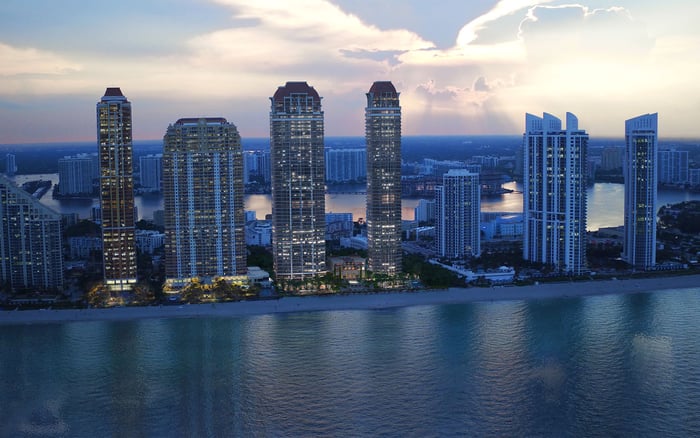
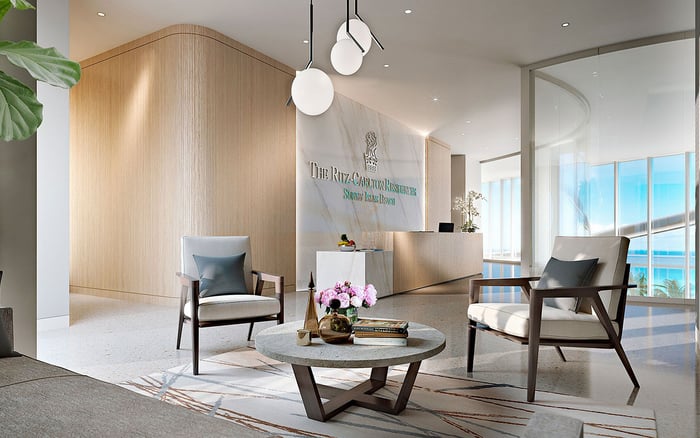
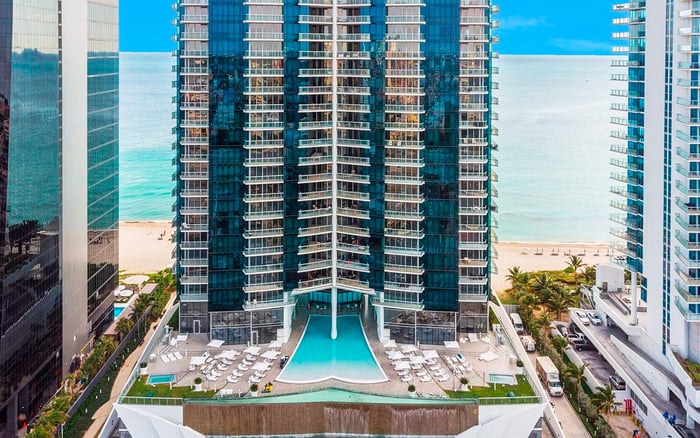
At Regalia, a lender's view extends beyond the residence to the financial and physical condition of the 39-home condominium. Thin turnover, concentrated ownership and project eligibility can influence financing certainty, pricing leverage and the depth of a future resale market.
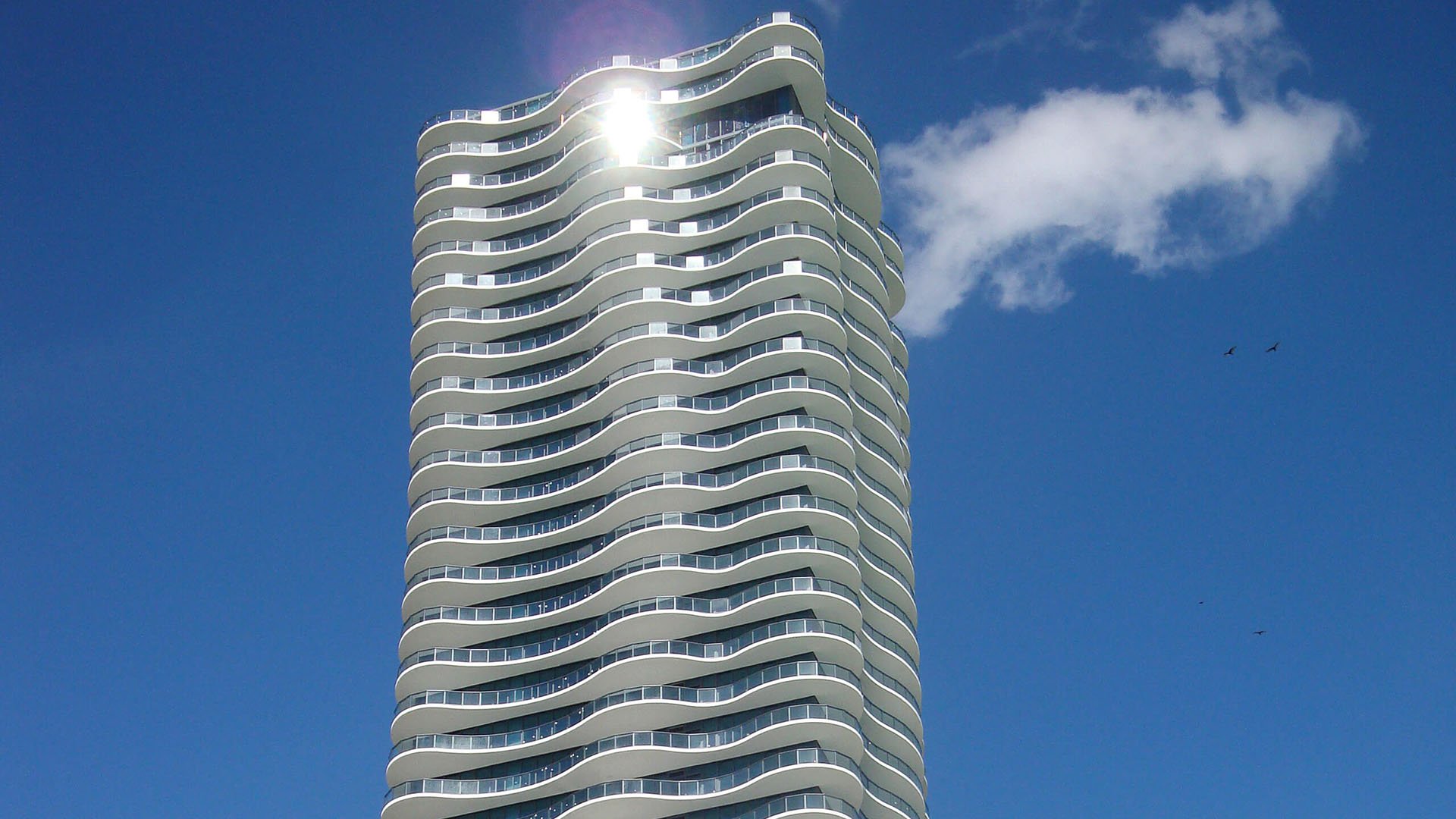
At Regalia Sunny Isles Beach, the view from a residence is only one dimension of the acquisition. For a financed buyer, the lender also evaluates the condominium itself. Regalia is an ultra-luxury oceanfront building at 19575 Collins Avenue with just 39 residences, giving project-level details unusual weight.
A condominium questionnaire gives the lender a concise portrait of ownership, occupancy, association finances, reserves, insurance, litigation, special assessments and building condition. It is not a ceremonial closing document. Its answers can determine whether the project meets a lender's criteria, whether further review is necessary and whether the buyer's intended loan remains practical.
That distinction matters in a boutique building. A shift involving only a few residences can noticeably alter owner-occupancy or investor-concentration percentages. Likewise, one large delinquency may be more visible within a 39-home association than across several hundred units.
At Regalia, underwriting the residence also means underwriting the building around it.
The most reassuring questionnaire is not merely complete. It presents a coherent picture across the budget, reserve position, insurance program, assessment history and physical maintenance record. Lenders generally want to understand whether ordinary operations are adequately funded and foreseeable capital obligations have been responsibly addressed.
Occupancy is an early signal. Responses identifying owner-occupied, second-home, rented and investor-owned residences help a lender measure concentration and potential exposure to the project. The answer does not independently define loan availability, but it can shape which underwriting channel is realistic, particularly for a jumbo mortgage.
Delinquencies deserve equal attention. Unpaid common charges can pressure association cash flow and suggest broader financial strain. Special assessments are another critical line item because their purpose, amount and payment status may materially change a buyer's carrying costs. A fully funded obligation and an unresolved future expense do not present the same risk.
Insurance and litigation can be decisive. The lender will examine master coverage and any pending dispute under its own standards. Buyers should ask not only whether litigation exists, but what it concerns, what financial exposure may remain and whether insurance is expected to respond. The same discipline applies to exclusions, deductibles and potential coverage gaps.
Regalia's public transaction history is limited: 20 sales from 2016 through 2025, or about two annually. Those trades ranged from approximately $1,006 to $2,243 per square foot and averaged about $1,562 per square foot. Association-issued records and a current lender review remain essential to diligence.
More recent transactions illustrate both value and dispersion. Unit 28 closed for $10.2 million, or $2,043 per square foot, on March 31, 2025. Unit 38 closed for $13.4 million, or $2,684 per square foot, on September 2, 2025. Unit 6 closed for $10 million, or $2,003 per square foot, on December 5, 2025. PH-43 sold for $19,888,888, approximately $1,849 per square foot, in February 2026 after 241 days on market.
Three residences are currently asking from $14.7 million to $21 million. The corresponding range is approximately $1,902 to $2,945 per square foot, with an average near $2,377. Asking prices are not closed comparables, and the wide range reinforces the importance of residence-specific attributes and lender-supported valuation.
Sunny Isles Beach luxury condominiums averaged roughly 135 to 138 days on market from the fourth quarter of 2025 through the first quarter of 2026. Some corridor resales above $5 million closed around 10 percent below their original asking prices. In 2026, approximately 93 percent of completed transactions involved price reductions averaging 6 to 8 percent of asking price.
These figures do not dictate an individual Regalia outcome. They do show why financing certainty can influence negotiation and liquidity. A buyer comparing Jade Signature Sunny Isles Beach, Armani Casa Sunny Isles Beach and Turnberry Ocean Club Sunny Isles may assess not only architecture and residence condition, but also how readily each project can be financed and later resold.
When closed comparables are scarce, an appraiser has fewer same-building observations to support a valuation. If the pool of willing lenders is also narrow, a future purchaser may need more equity, a portfolio loan or additional time. Cash ownership removes a financing contingency from the current acquisition, but it does not eliminate the next buyer's potential dependence on credit.
A persuasive file aligns the questionnaire with primary documents. Buyers should review the current budget, recent financial statements, reserve materials, master insurance evidence, meeting minutes, assessment notices, maintenance records and available building-condition documentation. A funded structural-integrity reserve study, no extraordinary pending assessment and a documented maintenance history are constructive indicators of association stability.
Consistency matters. If the questionnaire states that there is no special assessment, the budget and minutes should not suggest an unresolved capital requirement. If reserves appear healthy, the underlying study and funding schedule should support that conclusion. If litigation is disclosed, counsel and the lender should receive enough detail to evaluate its nature and possible consequences.
Project standards can require confirmation of both property eligibility and condominium-project eligibility. Governance details, including the priority and collection of common-expense assessments, can therefore become part of the credit decision. The review extends beyond the borrower's income, liquidity and net worth.
Regalia has also attracted institutional capital through a prior inventory transaction with a disclosed loan basis of $1,350 per square foot-a Florida record for condominium inventory financing at the time. That historical transaction demonstrates past lender interest in a particular structure. It does not establish today's unit-level mortgage terms or guarantee present project acceptance.
Treat the questionnaire as an early diligence item, not a document to chase days before closing. Before a deposit becomes non-refundable, a financed buyer should seek project approval from the intended lender and identify a credible alternative. The contract timeline should allow the association, insurance professionals, counsel and lender to address follow-up questions.
For the investment case, calculate carrying costs under both the current budget and any disclosed assessment schedule. For a future resale, ask which issues might narrow the financed-buyer pool. A clean questionnaire cannot promise immediate liquidity, but it can remove avoidable uncertainty in a building where each transaction contributes meaningfully to the next valuation.
Ultimately, the fine print connects three decisions: whether the lender will accept the project, whether the buyer is comfortable with the association's obligations and whether a future purchaser will encounter the same friction. At Regalia, that connection deserves the same attention as price, floor plan and ocean exposure.
For discreet guidance on South Florida luxury condominium acquisitions, connect with MILLION.
If branded residences are on your mind — as a home or as an allocation — we would be glad to share what we are seeing, privately.
Begin a quiet conversationIt helps the lender evaluate ownership, occupancy, association finances, reserves, insurance, litigation, assessments and building condition.
In a small building, changes involving only a few homes can materially affect occupancy, investor concentration and project-level exposure.
No. A lender may approve the borrower and residence while still requiring the condominium project to satisfy separate eligibility standards.
They can increase carrying costs and raise questions about association funding, capital needs and payment status.
Unpaid common charges can weaken association cash flow and signal project-level financial stress.
Review the budget, financial statements, reserves, insurance evidence, minutes, assessment notices, maintenance history and building-condition documents.
One public record counts 20 sales from 2016 through 2025, equal to about two transactions per year.
A current snapshot shows three residences offered from $14.7 million to $21 million, averaging about $2,377 per square foot.
No. Cash removes the current loan contingency, but a narrower lender pool could still affect the next buyer and future resale liquidity.
The intended lender should review the project before the deposit becomes non-refundable, with enough time reserved for follow-up questions.