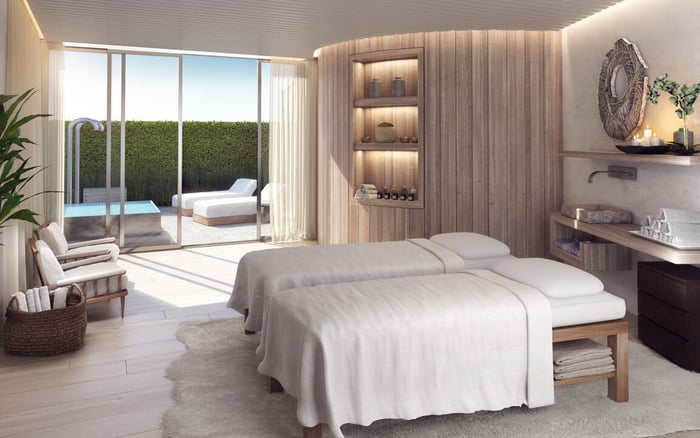
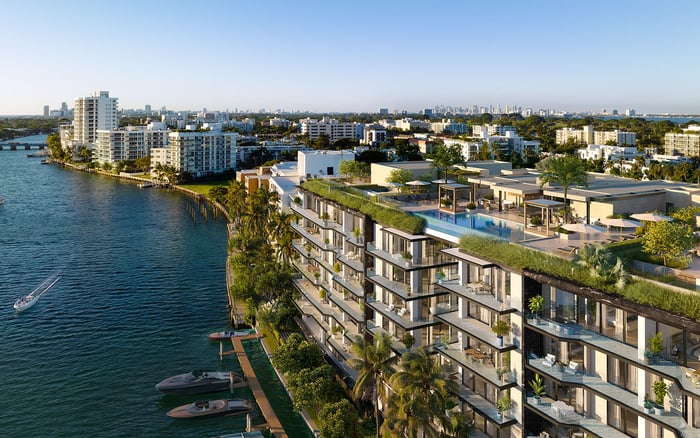
At Auberge Beach Residences & Spa Fort Lauderdale, an art collection calls for a closer reading of glazing, daylight, humidity control, and alteration permissions. A collector’s approach separates architectural appeal from measured conservation performance.
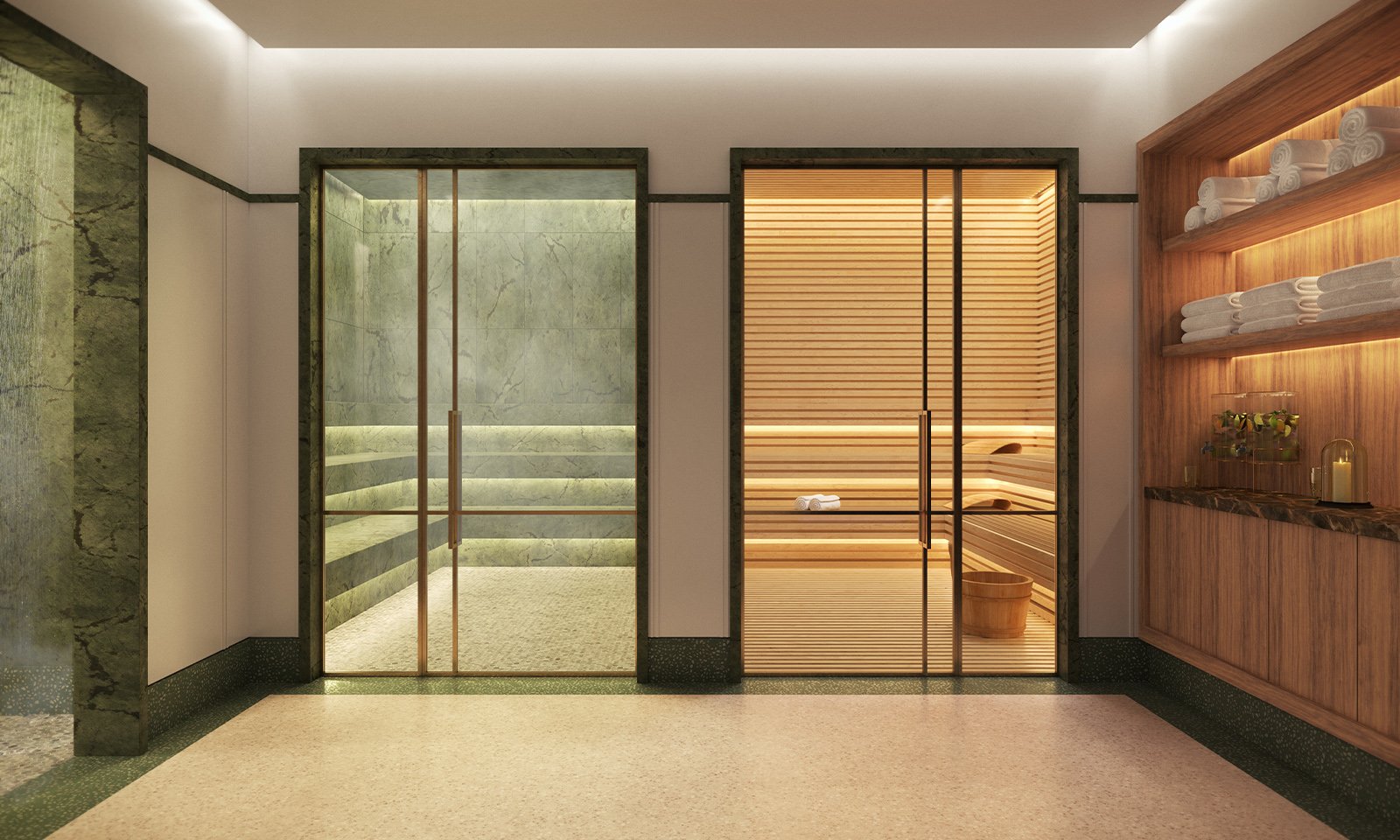
The appeal of Auberge Beach Residences & Spa Fort Lauderdale is inseparable from its relationship to light. At 2200 North Ocean Boulevard, residences feature floor-to-ceiling impact-glass windows framing ocean, Intracoastal Waterway, or city views. Oversized terraces with continuous glass railings extend that architectural openness; select residences also have private pools.
For an art collector, however, a beautiful view and a suitable display environment are different propositions. The essential questions concern the light reaching each work, the duration of exposure, and the surrounding temperature and relative humidity. Impact-glass descriptions alone do not establish collection-grade UV protection.
The aim is not to reject daylight, but to give the view and the collection distinct roles within the floor plan-and verify that the residence can support both. For a Fort Lauderdale Beach buyer, that assessment belongs alongside the review of layout, finishes, and terrace space.
The window description for residence N206 includes “Clear Impact Glass” and “High Impact Windows.” Neither term discloses a UV-transmission percentage or visible-light transmission. Neither should be read as assurance that delicate works can hang safely beside the glazing.
Before choosing display walls, request specifications for the glass actually installed in the residence. Ask for documentation of UV and visible-light transmission, along with details of any existing film or secondary treatment. A proposed conservation measure is not equivalent to an installed, tested system.
This distinction also matters when comparing Auberge with Four Seasons Hotel & Private Residences Fort Lauderdale. Apply the same unit-level questions to each candidate rather than treating a residential name as evidence of art-protection performance.
Terrace geometry calls for observation, not assumption. Continuous glass railings do not establish how much reflected light reaches an interior wall. Assess the intended hanging positions directly, at different times, rather than judging exposure from the view alone.
Excluding direct sunlight from display and storage areas is a fundamental conservation priority. Shading, partitions, and careful placement can all contribute. UV filtration addresses another part of the problem; it does not make unrestricted daylight suitable for sensitive materials.
Material-specific reference points include a maximum of 50 lux for highly light-sensitive materials, including watercolors and dyes, and 200 lux for oil, tempera, and acrylic paintings. These are conservation benchmarks, not universal guarantees against fading. Each work’s materials should inform its display plan.
UV benchmarks also differ: 30 µW/lumen for highly sensitive objects and 75 µW/lumen for other sensitivity categories, or a stricter collection-space objective that seeks to eliminate UV, targeting below 10 µW/lumen. These figures reflect different conservation objectives, not competing specifications for Auberge’s windows.
Have a conservator establish the appropriate objective for the collection, then arrange measurements at the proposed display locations. Repeat light and UV checks across times of day and seasons. A single reading during a showing cannot characterize the full exposure pattern or confirm that filtration remains effective over time.
Select window treatments for documented performance as well as proportion, texture, and their relationship to the interior. Tall sheers appear in Auberge’s glass-encased lobby atrium, but that common-area design neither establishes a residence specification nor proves UV protection.
A collector’s plan may include UV-filtering materials, filtering blinds, secondary glazing, or shades that exclude daylight when needed. Motorized shades and UV film are potential interventions, not documented standard features of the residences. Their suitability must be assessed against the installed glazing and the collection’s needs.
The fine print matters just as much. Before commissioning a system, request the applicable condominium alteration rules, window-film approval requirements, glazing warranty conditions, and any restrictions on shade appearance. A protective purpose does not mean an interior installation is automatically permitted.
Avoid a universal closure schedule. A fixed morning shutoff cannot substitute for a unit-specific daylight assessment. Ask the design and conservation teams to develop an operating plan from measured conditions, then confirm that the completed treatment achieves the intended result at the artwork.
A comfortably cool room does not necessarily provide suitable collection conditions. Preventive conservation requires attention to both temperature and relative humidity. The buyer’s question is not simply whether the air-conditioning works, but what environmental conditions it maintains around the collection.
Request unit-level equipment information, humidity-control capabilities, and environmental records where available. Ask a qualified specialist to determine whether dedicated humidity controls are appropriate. Neither a humidity setpoint nor museum-grade performance should be assumed from the residence’s luxury positioning.
For collectors also considering Rosewood Residences Hillsboro Beach, the same approach provides a useful basis for comparison: examine documented capabilities and proposed display locations without presuming that either property delivers a particular conservation standard.
Treat environmental monitoring as part of ownership, not a one-time purchasing exercise. Agree with the relevant specialists on what to monitor, how to review results, and how to respond when conditions depart from the collection’s requirements.
The most compelling wall in the living room may not be the best location for the most sensitive work. Place vulnerable objects farther from light sources, favoring shaded interior positions over window-adjacent walls. Where the layout permits, consider a collection room with fewer exterior windows and controllable illumination.
Display rotation can preserve the experience of living with a collection without keeping every work continuously on view. For light-sensitive objects, exhibition periods of approximately three to six months under controlled conditions, followed by dark storage, are a reference point. That interval is not permission for uncontrolled exposure during display.
Storage deserves the same design attention as the gallery wall. Coated metals, stainless steel, acrylic, and glass are among the materials favored in collections care. Review enclosed cabinetry carefully for off-gassing wood or chipboard rather than selecting it solely for its decorative finish.
Before committing to a residence, assemble a practical brief: the collection’s sensitivities, proposed hanging locations, glazing documentation, measured light exposure, climate-control capabilities, and permissions needed for any changes. Distinguish existing features from proposed upgrades and unresolved approvals.
The goal is a home where the collection feels integral, not vulnerable. At Auberge, that means preserving the pleasure of the outlook while giving each work an environment suited to its materials. Measured performance, thoughtful placement, and an achievable operating plan are worth more than a reassuring window label.
For a discreet perspective on matching a South Florida residence to your collection and lifestyle, explore MILLION.
If branded residences are on your mind — as a home or as an allocation — we would be glad to share what we are seeing, privately.
Begin a quiet conversationNo. Impact-glass labels alone do not establish UV-transmission performance or suitable conditions for displaying art.
Request specifications for the installed glass, including UV and visible-light transmission, and documentation for any existing film or secondary treatment.
No. Visible light requires separate control, and direct sunlight should be excluded from collection display and storage areas.
Material-dependent guidance includes a maximum of 50 lux for highly sensitive materials such as watercolors and dyes, and 200 lux for oil, tempera, and acrylic paintings. These benchmarks do not guarantee against fading.
No. Guidance includes 30 µW/lumen for highly sensitive objects and 75 µW/lumen for other categories, while a stricter objective targets below 10 µW/lumen.
No. The lobby sheers are a common-area design feature, not proof of residential window-treatment specifications or UV performance.
Permission should not be assumed. Review applicable alteration rules, approval requirements, glazing warranty conditions, and shade-appearance restrictions before commissioning work.
No. Both temperature and relative humidity require assessment, and unit-level humidity-control performance should be verified rather than assumed.
Favor shaded interior locations farther from light sources, with controlled illumination. A room with fewer exterior windows may offer a more manageable display environment.
Conservation guidance includes approximately three to six months under controlled conditions, followed by dark storage. The appropriate plan should reflect the individual work’s materials and exposure.