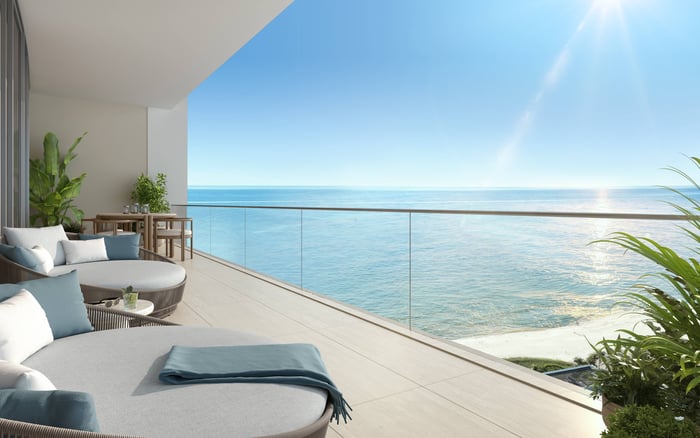
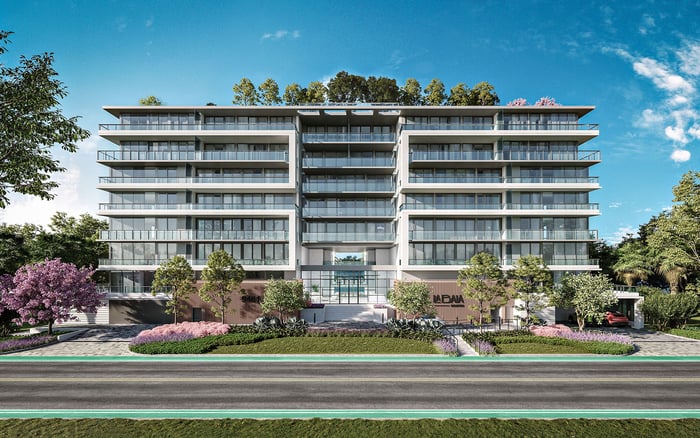
Alma & Mila Residences is expected in Q4 2026, making mold review a matter of pre-closing prevention, contract discipline and timely warranty documentation rather than evidence of a known defect.
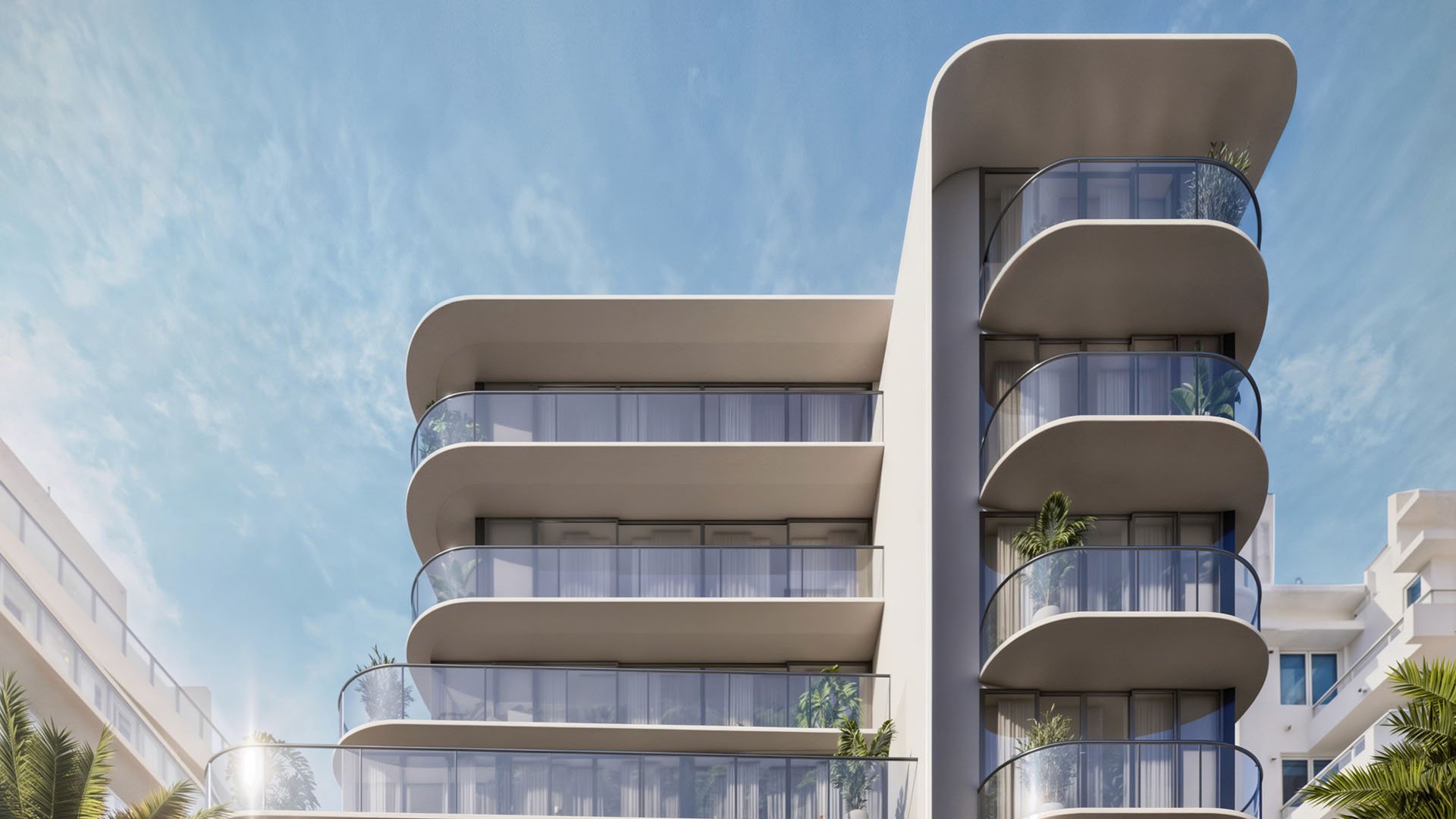
The premise requires immediate clarification. Alma Bay Harbor Islands, part of the Alma & Mila Residences development in Bay Harbor Islands, is expected to be delivered in Q4 2026. It should therefore be evaluated as a forthcoming project, not an already completed building. This article does not identify a known mold incident at Alma. The relevant question is preventive: What protections should a discerning buyer secure before accepting a newly completed coastal residence?
That distinction matters. New construction may appear immaculate while moisture remains concealed behind cabinetry, near door assemblies, inside mechanical spaces or within concrete. A polished walkthrough confirms finishes and visible workmanship. It does not establish that the building envelope, air-conditioning system and drainage details will perform correctly under South Florida conditions.
A flawless finish is not a substitute for a documented moisture baseline.
For a pre-construction project, mold diligence begins with the purchase agreement, not a handheld meter. Florida buyers may use a mold-inspection addendum that sets a defined period in which to retain a qualified professional at the buyer’s expense. That period is contract-specific and should never be assumed to follow a customary number of days.
The agreement should also define what happens if the findings are unacceptable. Inspection access is only part of the protection. Counsel should confirm whether the buyer may request correction, negotiate, cancel or exercise another stated remedy, along with the notices and deadlines required to preserve that right.
The same discipline applies across the local boutique market. Buyers comparing Mila Bay Harbor Islands with nearby offerings should not treat a developer walkthrough as the final technical review. The contract should provide sufficient time and access for a specialist to inspect the residence, relevant mechanical components and accessible interfaces with common elements.
In a Florida condominium, responsibility for mold-related damage generally turns on two questions: Where did the moisture originate, and who must insure and maintain the affected component? If water comes from a common element the association must maintain, the association is generally responsible for repairing that element and addressing covered resulting damage, subject to the declaration and applicable exclusions.
If the condition results from an owner’s negligence, failure to maintain an assigned component or another cause allocated to the unit, the owner may bear the cost. Fine print governing roofs, exterior walls, windows, balcony assemblies, shared plumbing and mechanical systems can therefore carry substantial financial consequences.
Amenity quality and association fees are incomplete proxies for risk management. Buyers should request written procedures for leak reporting, emergency drying, remediation, insurance claims and building-envelope maintenance. They should also establish who may authorize immediate after-hours work and how affected neighboring units are accessed. An elegant lobby cannot answer those questions.
The issue is equally relevant when considering boutique alternatives such as Alana Bay Harbor Islands and La Maré Bay Harbor Islands. Each project must be evaluated under its own declaration, warranty package, insurance allocation and maintenance provisions. Similar waterfront settings do not create identical legal responsibilities.
A conventional inspection may identify visible staining, active leaks or obvious mechanical defects. A specialized new-construction mold assessment can go further, examining HVAC design and operation, condensate management, unsealed penetrations, balcony-door assemblies, window perimeters and concrete moisture.
The scope should include moisture scans around exterior openings, low wall sections, under-sink areas and accessible slab transitions. Canal-adjacent homes can face persistent sub-slab moisture associated with elevated water tables and waterway proximity. That does not establish a defect, but it makes baseline measurements and careful interpretation especially valuable.
HVAC performance warrants equal attention. A system can cool a residence while managing humidity poorly. The inspector should examine accessible equipment, condensate lines and signs of unwanted air movement or condensation. When testing identifies elevated moisture, merely recording a reading is insufficient. The buyer needs a documented location, likely source, repair scope and plan for verification after corrective work.
At Onda Bay Harbor and other waterfront condominiums, the same principle applies: Investigate the interfaces where conditioned interiors meet humid exterior air. Balcony thresholds, glazing systems and penetrations merit scrutiny because they can connect unit finishes to components maintained by another party.
Florida’s statutory warranty framework for new condominiums includes coverage periods involving roofs, structural components and building-serving mechanical, electrical and plumbing elements. The applicable period varies by component and triggering event. Buyers should not rely on a single, informal notion of a builder warranty.
Before closing, create a dated moisture baseline with photographs, readings, inspection findings and written responses. If corrective work is performed, retain invoices, scopes and post-repair verification. After occupancy, keep records of humidity concerns, odors, staining, HVAC irregularities and water events.
Report suspected mold or moisture promptly to the association in writing. The notice should preserve the date, exact location and observed conditions. If the potential cause involves waterproofing, flashing, HVAC performance or another construction element, timely documentation can be critical to a defect or warranty claim.
A repeat assessment during the applicable warranty period may be prudent, particularly after heavy weather, an HVAC interruption or a repair. At wellness-oriented developments such as The Well Bay Harbor Islands, lifestyle positioning should complement-not replace-technical verification and document review.
A disciplined protocol has five parts. First, Florida counsel reviews the purchase agreement, inspection provisions, warranties and condominium documents. Second, a qualified specialist performs pre-closing moisture, HVAC, condensate, window and balcony-door checks. Third, the buyer obtains written explanations and repair commitments for material findings. Fourth, corrective work is verified rather than merely declared complete. Fifth, the owner calendars relevant warranty periods and repeats the assessment when conditions warrant.
The objective is not to stigmatize new construction or imply a known issue at Alma. It is to recognize that coastal luxury requires invisible systems to perform as convincingly as visible finishes. For an asset expected to be delivered in Q4 2026, the most valuable fine print is the language defining access, responsibility, notice, remedies and time.
For discreet guidance on South Florida’s premium residential market, consult MILLION.
If branded residences are on your mind — as a home or as an allocation — we would be glad to share what we are seeing, privately.
Begin a quiet conversationNo. Alma & Mila Residences is expected to be delivered in Q4 2026, so buyers should treat it as a forthcoming development.
No. The recommended protocol is preventive due diligence, not a response to an identified defect.
Moisture can remain concealed near exterior openings, mechanical systems, penetrations or concrete even when finishes appear pristine.
Responsibility generally depends on the moisture source and which party must maintain and insure the affected building component.
Buyers should examine responsibility for roofs, exterior walls, windows, balconies, shared plumbing, repairs, insurance and common elements.
It can assess HVAC operation, condensate management, unsealed penetrations, concrete moisture, windows and balcony-door assemblies.
No. The inspection period is contract-specific and must be completed before the deadline stated in the applicable addendum.
The buyer should seek a documented source, repair scope, written responsibility allocation and post-repair verification before accepting the condition.
Report it promptly to the association in writing, preserving the date, location, observed moisture conditions, photographs and related records.
No. Warranty periods and triggering events vary by component, so buyers should document conditions and act before the applicable period expires.