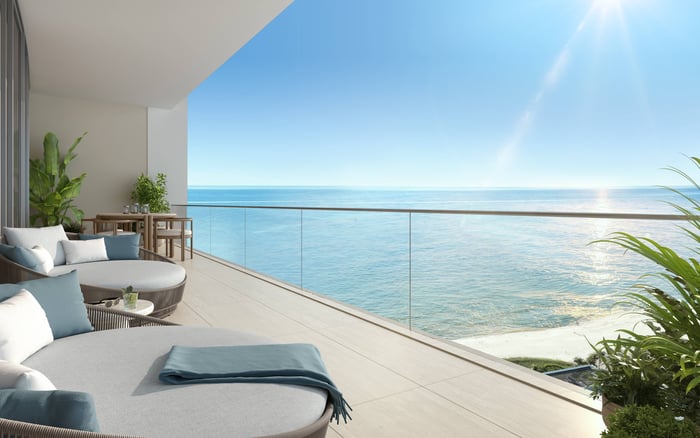
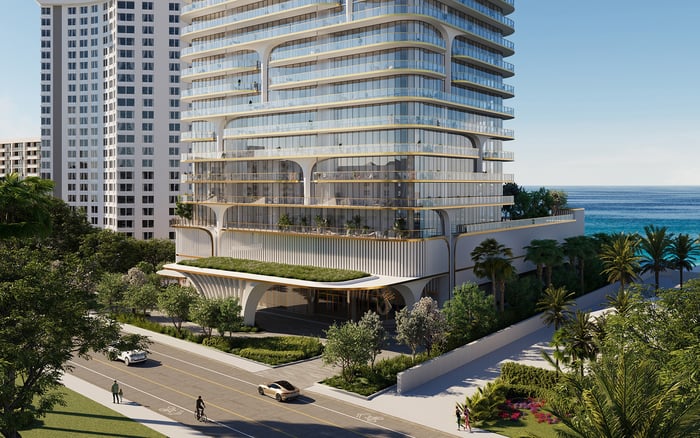
Before reserving a Pompano Beach residence, examine how public activity meets private life. Approved circulation plans, commercial-use controls, event protocols, and unit-specific sightlines deserve the same attention as finishes and views.
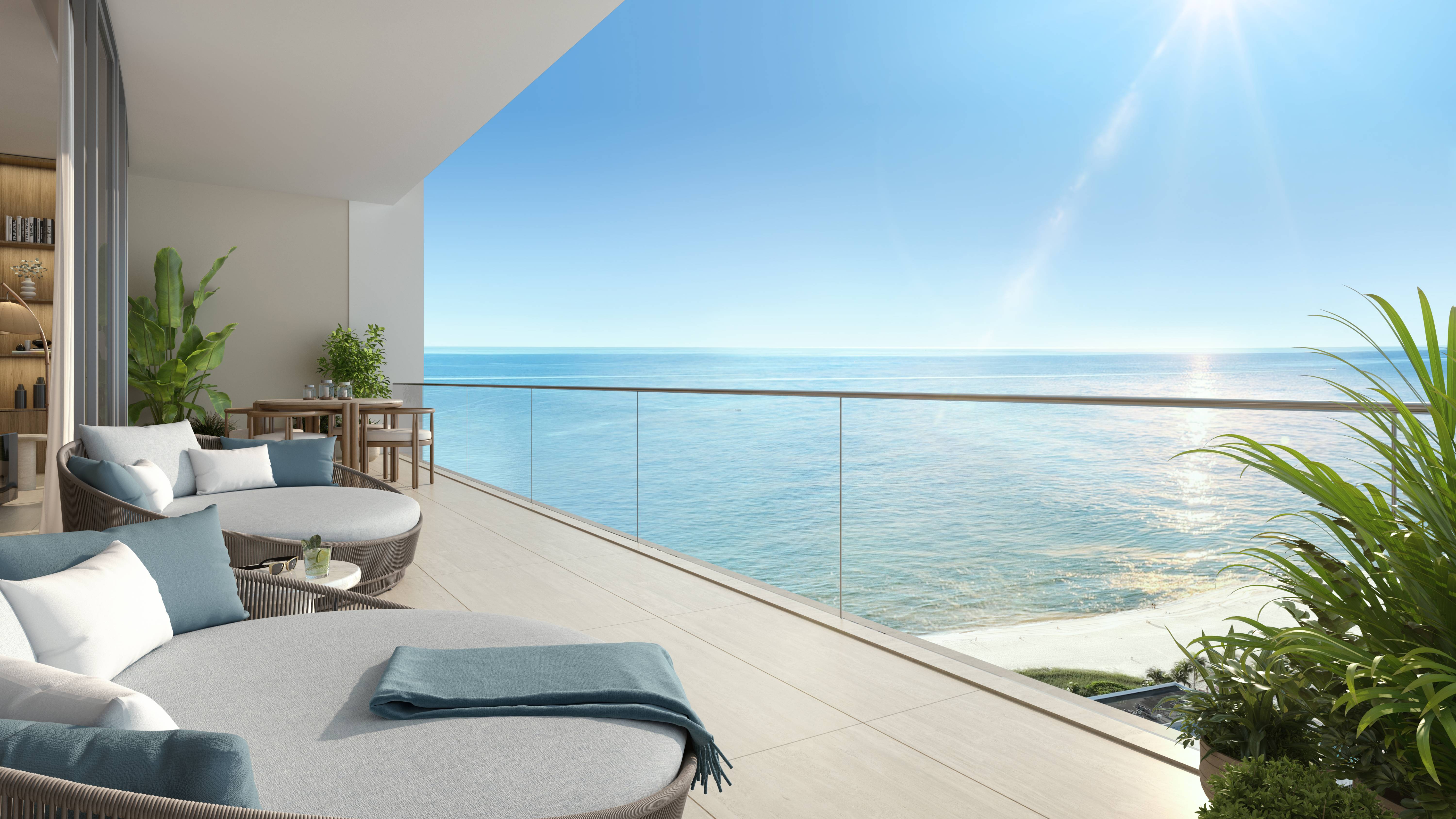
In Pompano Beach, the appeal of a new residence can extend beyond its interiors to a walkable setting, nearby dining, and a more animated streetscape. The purchase question is precise: where does that public energy stop, and where does residential privacy begin?
For buyers considering this Broward market, circulation deserves the same scrutiny as ceiling heights and terraces. Evaluate the operating conditions around the particular residence rather than relying on a broader neighborhood vision.
Before reserving, distinguish what is proposed, what is approved, and what is enforceable. Do not treat a development application as confirmation of a completed or operating project. An attractive rendering cannot resolve who may enter a passage, when trucks may arrive, or how an evening event will affect resident access.
Request the latest approved plan showing resident vehicles, retail customers, valet queues, rideshare staging, delivery trucks, pedestrians, and emergency access. If approval remains pending, make that uncertainty explicit in your review. Ask the team to trace each route, not merely point out a separate residential entrance.
The essential test is where those routes intersect. Does a restaurant queue reach the lobby threshold? Must residents cross a public driveway to reach an amenity? Can a waiting rideshare vehicle obstruct the garage ramp? Where do visitors go when commercial parking is full?
When evaluating The Ritz-Carlton Residences® Pompano Beach, apply the same route-by-route review. This is a due-diligence standard, not an assertion that the project includes retail or public passages.
Ask who owns or controls any commercial bays, which uses are permitted, and how future tenants can change. A presentation centered on quiet boutiques is no substitute for reviewing whether restaurants or other operating formats are allowed.
Have counsel confirm the zoning provisions and approval conditions applicable to the specific property rather than assuming the same commercial requirements apply to every Pompano Beach condominium.
Request the documents governing operating hours, outdoor seating, commercial access, and any residential approval rights. Have counsel distinguish enforceable restrictions from current leasing intentions. The question is not simply what opens first, but what could occupy the space later.
A discreet service entrance may be visually reassuring, but it does not establish quiet operations. Treat visual screening and delivery noise as separate questions in your review.
Request loading-dock locations, truck approach and departure routes, delivery windows, and details of any refrigerated-truck activity. Include refuse removal and grease collection in the review where applicable. Ask whether service vehicles can queue on site without blocking the residential entrance or garage.
When comparing Armani Casa Residences Pompano Beach, ask for service plans at the same level of detail as arrival renderings. Evaluate the operations established in the actual documents rather than presuming a particular commercial program.
Then relate those plans to the residence: bedroom orientation, terrace exposure, and the position of service access below. Request any available acoustic assessment and written operational controls. Evaluate screening and distance rather than treating either as proof of silence.
An ordinary afternoon is only one operating condition. Ask whether public events are permitted on the property or adjoining spaces, and who has authority to approve them. Request written details covering amplified sound, event hours, attendance controls, street closures, security, and resident notification.
No project-specific event limits are established here. Do not assume a curfew, attendance cap, or resident veto exists without documentation.
Ask the sales team to walk through an event-night arrival: where your vehicle enters, where guests wait, whether pedestrian access changes, and how emergency routes remain available. The answer should align with the written plan.
Privacy is a unit-specific question. Request drawings that show the residence and balcony in relation to any public passages, restaurant seating, parking decks, rooftop amenities, and neighboring windows. Assess both seated and standing sightlines rather than relying only on the view outward.
For a residence under consideration at Ocean 580 Pompano Beach, request the same unit-level sightline review. A project name cannot establish the privacy of a particular balcony.
Review any public-access easements alongside the drawings. Ask where public rights end, whether access hours are restricted, and what separates public routes from resident-only areas. Clarify who maintains that separation and who responds if it fails.
Before committing, assemble the approved plans, conditions of approval, condominium documents, relevant easements, and written developer responses. Have counsel identify where each material assurance appears and whether it can change. Review the reservation agreement’s refund terms, deadlines, and treatment of unresolved questions rather than assuming a standard protection applies.
If Waldorf Astoria Residences Pompano Beach is also on your shortlist, compare the same evidence across addresses. Give weight to clear access boundaries, documented operating controls, and responses specific to your residence.
The goal is not to eliminate an active neighborhood. It is to choose how that activity meets your home, with fewer unanswered questions at reservation.
Explore Pompano Beach residences with MILLION and bring a document-led perspective to your shortlist.
If branded residences are on your mind — as a home or as an allocation — we would be glad to share what we are seeing, privately.
Begin a quiet conversationRequest the latest approved circulation plan showing resident access, commercial visitors, deliveries, pedestrians, valet, rideshare, and emergency routes. If approval is pending, distinguish the proposal from approved conditions.
Have counsel review the zoning provisions and approval conditions applicable to the specific property. Do not assume every condominium has the same commercial requirements.
No; visual screening alone does not establish quiet operations. Request any available acoustic assessment and written delivery controls.
Ask about truck routes, delivery windows, refrigerated-truck activity, refuse removal, and grease collection where applicable. Confirm whether queues or loading operations conflict with the residential lobby or garage ramp.
The initial tenant mix does not resolve which uses may be permitted later. Review commercial control, permitted uses, and enforceable operating restrictions with counsel.
Request written details on event permissions, amplified sound, hours, closures, security, and resident notification. Do not assume project-specific limits exist without documentation.
Not necessarily. Review the passage boundaries, public-access easements, and access controls to determine where public rights end and resident-only areas begin.
Review unit-specific sightlines from any public walkways, restaurant seating, parking decks, rooftop amenities, and neighboring windows. Consider both seated and standing positions.
Review refund terms, deadlines, and how unresolved questions are handled. Have counsel identify whether material assurances are documented and can change.
Review approved plans, conditions of approval, condominium documents, relevant easements, and written developer responses. Ask counsel which provisions establish operating and privacy protections for your residence.