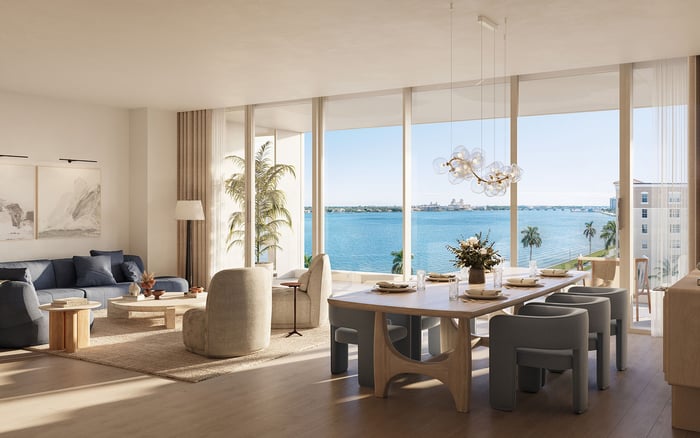
At Shorecrest, buyers can look beyond finishes and views by examining acoustic privacy, circulation, resilience, association economics, legal documents, and delivery protections.
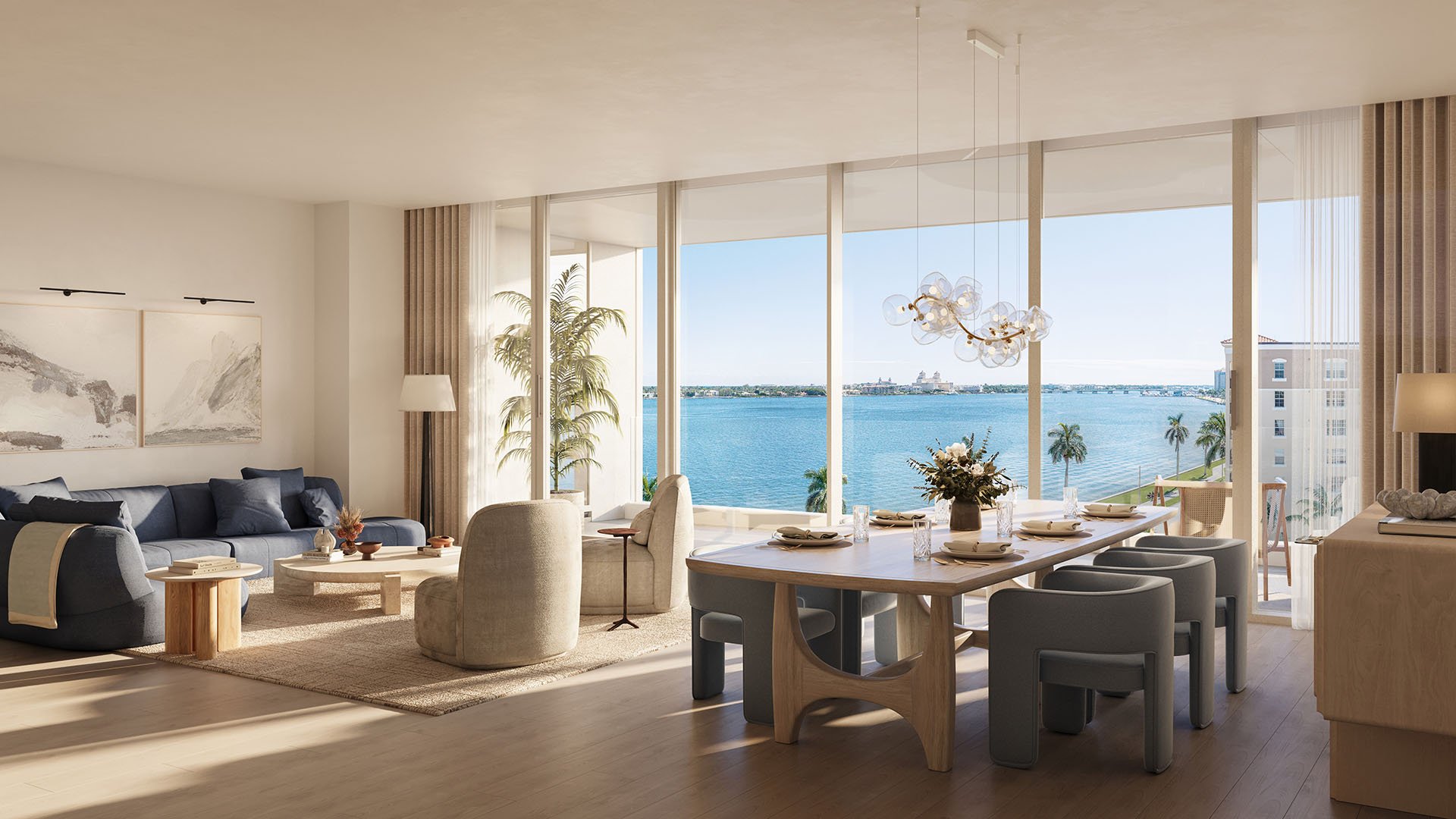
At Shorecrest Flagler Drive West Palm Beach, buyers evaluating quiet luxury should look beyond visible finishes and framed views. A residence may feel refined during a presentation, but its long-term quality also depends on privacy, building operations, financial planning, resilience, and clear contractual protections.
The most useful due diligence separates atmosphere from performance. Buyers should ask how the residence, common areas, service model, and governing documents work together during ordinary days, busy periods, maintenance events, and severe weather.
Acoustic comfort depends on more than windows and interior materials. Request available details for wall and floor assemblies, glazing, plumbing isolation, underlayment, mechanical equipment, and doors. If performance ratings or testing standards are referenced in project materials, confirm where they appear in the governing specifications or purchase documents.
Study the floor plan for adjacencies that may affect quiet. Bedrooms near elevator shafts, service corridors, refuse areas, plumbing chases, amenity spaces, or mechanical rooms may warrant additional questions. Buyers should also ask whether sound-control measures apply consistently between residences, corridors, terraces, and shared spaces.
A visit to the surrounding area at different times can add context, but it cannot replace technical documentation. The objective is to understand both exterior noise exposure and sound transmission within the building.
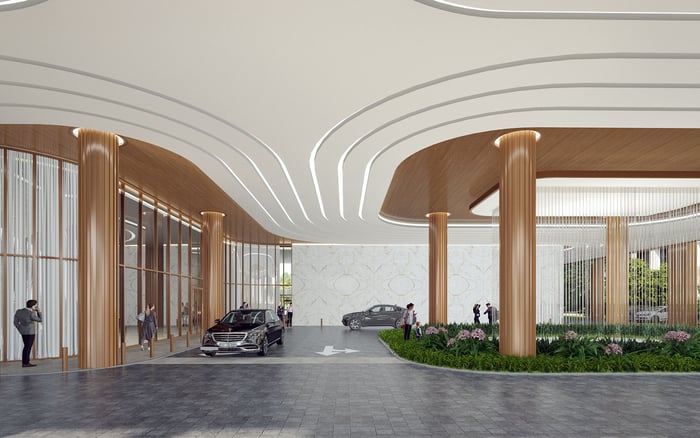
Quiet luxury is closely tied to movement through the property. Review how owners, guests, staff, deliveries, and service providers enter and circulate. Separate routes may support privacy, while unclear access patterns can create congestion or interruptions.
Ask how elevator access is organized, whether service functions share owner routes, and which spaces sit near the intended residence. Parking arrangements, guest access, valet operations, loading activity, bicycle storage, and electric-vehicle charging should also be confirmed in the applicable documents rather than assumed from illustrations.
The floor plan should be evaluated alongside the broader building plan. A well-positioned residence can still be affected by activity on its landing, below its terrace, or in nearby common areas.
For a waterfront residence in West Palm Beach, resilience belongs at the center of due diligence. Buyers should request available information about glazing, drainage, emergency power, water management, shoreline conditions, and the placement of critical electrical and mechanical equipment.
Emergency power deserves precise questions. Determine which elevators, residential systems, cooling functions, life-safety components, and common areas are intended to operate during an outage. Buyers should also clarify who maintains major systems, how interruptions are communicated, and what responsibilities fall to the association or individual owner.
Insurance assumptions and maintenance planning should be reviewed with qualified advisers. The goal is not merely to identify protective features, but to understand how they will be operated, funded, inspected, and replaced over time.
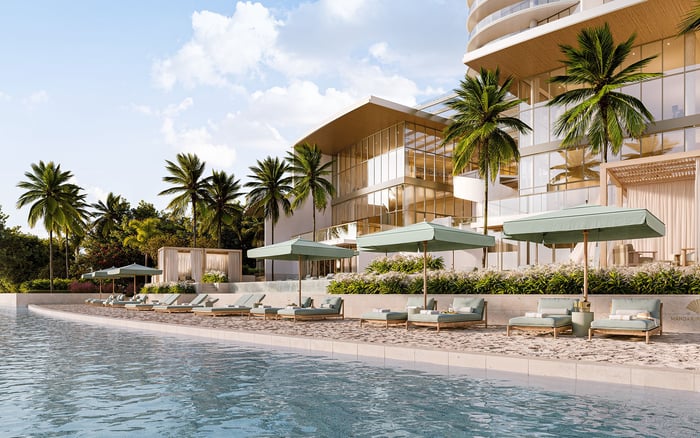
Amenities can add meaningful value, but each shared space creates staffing, maintenance, insurance, utility, and replacement obligations. Review the proposed operating budget, projected assessments, reserve assumptions, service model, and any separately charged offerings.
Buyers should ask which services are included in regular charges and which may involve additional fees. They should also identify the assumptions behind staffing levels and the maintenance of specialized equipment or shared facilities.
A polished amenity plan should be tested against the financial structure supporting it. The relevant question is whether the proposed experience appears sustainable without relying on vague operating assumptions.
A desirable outlook can influence residence selection, but buyers should distinguish an existing view from a legally protected one. Review the orientation of the residence, balcony geometry, neighboring parcels, allowable development, and any disclosed construction activity that could affect light, privacy, noise, or sightlines.
Consider the view from primary rooms rather than relying only on a generalized building perspective. Elevation, setbacks, nearby structures, landscaping, and terrace depth can change how an exposure feels in practice.
Any representation about a view should be located in the controlling documents. Marketing images may help explain design intent, but they should not substitute for a careful review of plans, disclosures, and contractual language.
Buyers may compare Shorecrest with Forté on Flagler West Palm Beach, The Ritz-Carlton Residences® West Palm Beach, and Alba West Palm Beach. The comparison is most useful when every option is assessed with the same criteria instead of being ranked by branding or finishes alone.
Apply a consistent matrix covering acoustic construction, residence adjacencies, elevator and service circulation, resilience, parking, view considerations, operating costs, reserve planning, use restrictions, and contract protections. This approach makes trade-offs easier to identify and reduces the risk of overvaluing a single feature.
Before signing, request the current purchase agreement, condominium declaration, floor plan, specifications, budget, reserve information, rules, deposit schedule, approvals, disclosures, and construction updates that are available for review. Independent legal, engineering, insurance, and financial advice can help determine whether the documents support the intended ownership experience.
What does quiet luxury mean when evaluating Shorecrest? It means assessing privacy, building operations, resilience, financial planning, and legal protections in addition to finishes and views.
Which acoustic details should buyers request? Buyers should request available information about wall and floor assemblies, glazing, plumbing isolation, underlayment, doors, and mechanical equipment.
Why do floor-plan adjacencies matter? Nearby elevators, service corridors, refuse areas, plumbing chases, amenities, or mechanical spaces may affect noise and privacy.
How should buyers evaluate elevator and service circulation? Review how owners, guests, staff, deliveries, and service providers move through the property and whether their routes overlap.
What resilience questions belong in due diligence? Ask about glazing, drainage, emergency power, water management, shoreline conditions, and the location of critical building equipment.
What should buyers confirm about emergency power? Confirm which elevators, residential systems, cooling functions, life-safety components, and common areas are intended to remain operational.
How should amenity value be assessed? Compare the proposed experience with the staffing, maintenance, insurance, utility, reserve, and replacement assumptions supporting it.
Are views automatically protected? No. Buyers should review residence orientation, neighboring parcels, allowable development, disclosures, and controlling documents.
Which documents should be reviewed before signing? Request the current agreement, declaration, plans, specifications, budget, reserve information, rules, approvals, disclosures, and deposit terms.
How can buyers compare Shorecrest with other West Palm Beach projects? Use the same framework for acoustics, circulation, resilience, parking, views, operating costs, restrictions, and contractual protections.
When you're ready to tour or underwrite the options, connect with MILLION.
If branded residences are on your mind — as a home or as an allocation — we would be glad to share what we are seeing, privately.
Begin a quiet conversation